As a supplier of pump bowls, I often get asked about the energy efficiency ratio (EER) of these essential components. The energy efficiency ratio of a pump bowl is a crucial metric that directly impacts the overall performance and operational costs of a pumping system. In this blog post, I'll delve into what the energy efficiency ratio of a pump bowl is, why it matters, and how it can affect your pumping operations.
Understanding the Energy Efficiency Ratio
The energy efficiency ratio of a pump bowl is a measure of how effectively the pump bowl converts electrical energy into hydraulic energy. In simpler terms, it indicates how much water the pump bowl can move for a given amount of electrical power input. A higher EER means that the pump bowl can move more water using less energy, making it more energy - efficient.
Mathematically, the EER is calculated as the ratio of the hydraulic power output of the pump bowl to the electrical power input. The hydraulic power output is determined by factors such as the flow rate of water through the pump bowl and the head (pressure) that the pump bowl can generate. The electrical power input is the amount of electricity consumed by the pump motor driving the pump bowl.
Why the Energy Efficiency Ratio Matters
Cost Savings
One of the most significant reasons why the EER of a pump bowl matters is cost savings. In a pumping system, energy costs can account for a substantial portion of the total operating expenses. A pump bowl with a high EER will consume less electricity to achieve the same flow rate and head as a less efficient pump bowl. Over time, these energy savings can translate into significant cost reductions for the end - user.
Environmental Impact
In today's world, environmental sustainability is a top priority. Energy - efficient pump bowls help reduce the carbon footprint of pumping systems. By consuming less electricity, they contribute to a decrease in greenhouse gas emissions associated with power generation. This is not only beneficial for the environment but also aligns with the growing regulatory requirements and corporate social responsibility initiatives.
System Performance
A pump bowl with a high EER is often better at maintaining consistent performance. It can handle variations in flow rate and head more effectively, reducing the likelihood of system failures and downtime. This is particularly important in applications where continuous and reliable pumping is essential, such as in water treatment plants, industrial processes, and agricultural irrigation.
Factors Affecting the Energy Efficiency Ratio of a Pump Bowl
Design and Construction
The design and construction of a pump bowl play a crucial role in determining its EER. A well - designed pump bowl will have smooth internal surfaces, optimized impeller geometry, and efficient flow paths. These features minimize hydraulic losses and improve the conversion of electrical energy into hydraulic energy.
For example, our Glass - Lined Bowl is designed with precision to ensure maximum energy efficiency. The glass lining provides a smooth surface that reduces friction and turbulence, allowing water to flow more freely through the pump bowl. This results in a higher EER compared to traditional pump bowls.

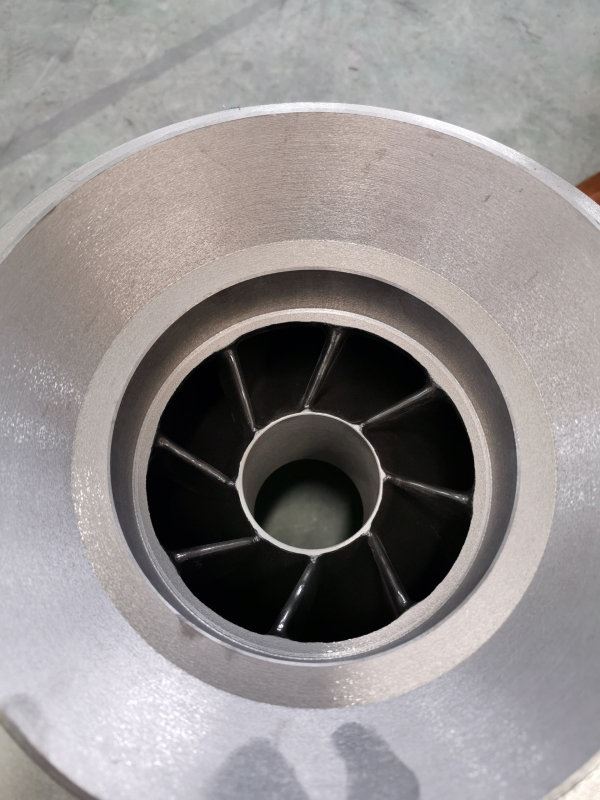
Similarly, our Stainless Steel Bowl is constructed using high - quality stainless steel, which offers excellent corrosion resistance and durability. The robust construction and well - engineered design of the stainless steel bowl contribute to its high energy efficiency.
Operating Conditions
The operating conditions of a pump bowl also have a significant impact on its EER. Factors such as the flow rate, head, and fluid properties can all affect the efficiency of the pump bowl. For instance, if a pump bowl is operating at a flow rate that is significantly different from its design flow rate, its efficiency will decrease.
It is essential to select a pump bowl that is properly sized and rated for the specific operating conditions of the pumping system. This ensures that the pump bowl operates at or near its maximum efficiency point, maximizing the EER.
Maintenance
Regular maintenance is crucial for maintaining the energy efficiency of a pump bowl. Over time, wear and tear can occur on the internal components of the pump bowl, such as the impeller and the casing. This can lead to increased hydraulic losses and a decrease in the EER.
By performing routine maintenance tasks, such as cleaning, lubrication, and component replacement, the efficiency of the pump bowl can be preserved. This not only helps to maintain the EER but also extends the service life of the pump bowl.
Measuring and Improving the Energy Efficiency Ratio
Measuring the EER
To measure the EER of a pump bowl, it is necessary to measure both the hydraulic power output and the electrical power input. The hydraulic power output can be calculated using the flow rate and head measurements, while the electrical power input can be measured using a power meter.
In a real - world setting, it may be challenging to accurately measure these parameters. However, many modern pumping systems are equipped with sensors and monitoring devices that can provide real - time data on flow rate, head, and power consumption. This data can be used to calculate the EER and identify any potential issues with the pump bowl's efficiency.
Improving the EER
There are several ways to improve the EER of a pump bowl. As mentioned earlier, proper design and construction are essential. Selecting a high - quality pump bowl from a reputable supplier is the first step. Additionally, optimizing the operating conditions of the pumping system can also improve the EER. This may involve adjusting the flow rate, head, or fluid properties to match the design specifications of the pump bowl.
Regular maintenance and performance monitoring are also crucial for improving the EER. By identifying and addressing any issues early on, the efficiency of the pump bowl can be maintained and even enhanced over time.
Conclusion
The energy efficiency ratio of a pump bowl is a critical factor that affects the performance, cost, and environmental impact of a pumping system. As a pump bowl supplier, we understand the importance of providing high - quality, energy - efficient products to our customers. Our Glass - Lined Bowl and Stainless Steel Bowl are designed with energy efficiency in mind, offering our customers the best possible performance and cost savings.
If you are in the market for a pump bowl and want to learn more about our energy - efficient products, we encourage you to contact us for a detailed discussion. We can help you select the right pump bowl for your specific application and provide you with all the information you need to make an informed decision.
References
- Pump Handbook, Karassik, I. J., Messina, J. P., Cooper, P. T., & Heald, C. C.
- Hydraulic Machinery: Design, Operation, and Maintenance, Gulliver, J. S., & Arndt, R. E. A.