Hey there! As a supplier of pump discharges, I often get asked, "What is the pump discharge pattern?" Well, let's dive right into it and break it down in a way that's easy to understand.
First off, a pump discharge is a crucial part of any pumping system. It's the component through which the fluid being pumped exits the pump and makes its way into the rest of the system, like pipes or other equipment. The discharge pattern refers to how the fluid comes out of the pump discharge. It can vary depending on several factors, and understanding these patterns is super important for getting the most out of your pumping system.
One of the main factors that influence the pump discharge pattern is the type of pump. There are different kinds of pumps, such as centrifugal pumps, positive displacement pumps, and axial flow pumps, and each has its own unique way of discharging fluid.
Centrifugal pumps are probably the most common type. They work by using a rotating impeller to create centrifugal force, which pushes the fluid outwards. The discharge pattern of a centrifugal pump is typically a high - velocity, radial flow. The fluid is thrown out from the center of the impeller towards the outer edges of the pump casing and then exits through the discharge port. This type of pattern is great for applications where you need to move a large volume of fluid at a relatively low pressure, like in water supply systems or HVAC systems.
Positive displacement pumps, on the other hand, work by trapping a fixed amount of fluid and then forcing it out of the pump. Examples of positive displacement pumps include gear pumps, piston pumps, and diaphragm pumps. The discharge pattern of these pumps is more consistent and less affected by changes in pressure compared to centrifugal pumps. The fluid is discharged in a more steady, pulsating flow. This makes positive displacement pumps ideal for applications where you need a precise flow rate, such as in chemical dosing or fuel injection systems.
Axial flow pumps are designed to move fluid parallel to the shaft of the pump. They use a propeller - like impeller to create a flow in the axial direction. The discharge pattern of an axial flow pump is a unidirectional, high - volume flow. These pumps are commonly used in applications where you need to move a large amount of fluid over a short distance, like in flood control or irrigation systems.
Another factor that affects the pump discharge pattern is the design of the pump discharge itself. The shape, size, and orientation of the discharge port can all have an impact on how the fluid comes out. For example, a narrow discharge port can increase the velocity of the fluid, while a wider port can reduce the velocity but increase the flow rate. The orientation of the discharge port can also be important. If it's angled in a certain way, it can direct the fluid in a specific direction, which can be useful in some applications.
Material is also a key aspect when it comes to pump discharges. We offer different materials to suit various needs. For instance, Stainless Steel Pump Discharge is a popular choice. Stainless steel is corrosion - resistant, strong, and durable. It's perfect for applications where the fluid being pumped is corrosive, like in chemical processing plants or marine environments.
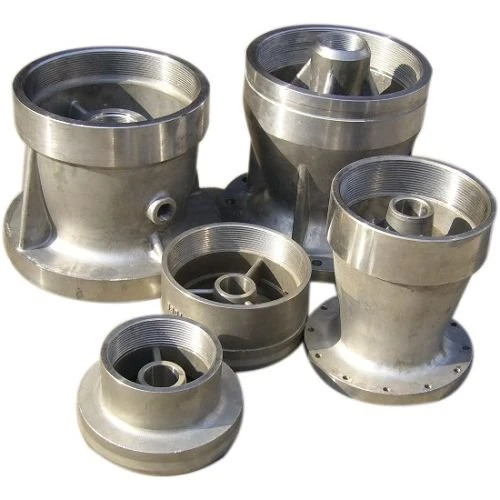
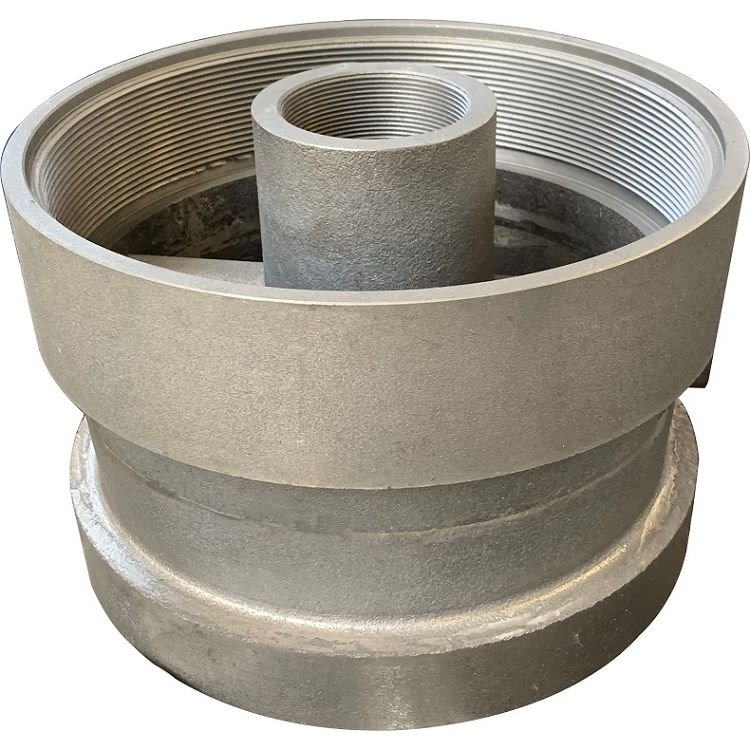
On the other hand, Cast Iron Pump Discharge is a more cost - effective option. Cast iron is known for its strength and ability to handle high pressures. It's commonly used in applications where the fluid is not too corrosive, such as in water treatment plants or general industrial applications.
The operating conditions of the pump also play a role in the discharge pattern. Factors like the pressure, temperature, and viscosity of the fluid can all affect how the fluid is discharged. For example, if the fluid is very viscous, it may not flow as easily through the pump discharge, and the discharge pattern may be more sluggish. Similarly, if the pressure is too high or too low, it can change the way the fluid comes out of the pump.
Now, why does understanding the pump discharge pattern matter? Well, it can have a big impact on the efficiency and performance of your pumping system. If the discharge pattern is not optimized, you may experience issues like low flow rates, high energy consumption, or even damage to the pump or other components in the system. By choosing the right pump and pump discharge, and making sure they are properly installed and maintained, you can ensure that your pumping system operates at its best.
As a supplier, I've seen firsthand the importance of getting the pump discharge pattern right. That's why we offer a wide range of pump discharges to meet different needs. Whether you're looking for a specific material, a particular design, or a pump discharge that can handle certain operating conditions, we've got you covered.
If you're in the market for a pump discharge or have any questions about pump discharge patterns, don't hesitate to reach out. We're here to help you find the perfect solution for your pumping system. Whether you're a small business owner, an engineer, or just someone looking to upgrade their pumping equipment, we can provide the expertise and products you need.
In conclusion, the pump discharge pattern is a complex but important aspect of any pumping system. By understanding the factors that influence it, such as the type of pump, the design of the discharge, the material, and the operating conditions, you can make informed decisions about your pump discharge and ensure that your system runs smoothly and efficiently. So, if you're ready to take your pumping system to the next level, let's start the conversation.
References
- Pump Handbook, Karassik et al.
- Fluid Mechanics and Hydraulic Machines, R.K. Bansal