Hey there! As a supplier of slurry pumps, I've been in the thick of things when it comes to these powerful machines. Today, I want to dig deep into one crucial component: the bearing. So, what's the role of the bearing in a slurry pump? Let's find out.
First off, let's get a quick understanding of what a slurry pump does. A slurry pump is designed to handle abrasive and often corrosive slurries, which are mixtures of solids and liquids. These pumps are used in a wide range of industries, from mining and construction to wastewater treatment. The harsh nature of the slurries they deal with means that every part of the pump has to be tough and reliable, and the bearing is no exception.
Support and Stability
One of the primary roles of the bearing in a slurry pump is to provide support and stability to the rotating shaft. The shaft is the heart of the pump, connecting the impeller (the part that moves the slurry) to the motor. As the motor spins the shaft, the impeller rotates at high speeds, creating the force needed to move the slurry through the pump.
Without proper support, the shaft would wobble and vibrate, which could lead to a whole host of problems. The bearing acts as a guide, keeping the shaft in place and ensuring that it rotates smoothly. This not only helps to maintain the efficiency of the pump but also reduces wear and tear on other components.
Think of it like the wheels on a car. If the wheels aren't properly aligned or supported, the car will shake and rattle, and it won't drive smoothly. The same goes for a slurry pump. The bearing is like the wheel alignment, keeping everything in line and running smoothly.
Reducing Friction
Another important role of the bearing is to reduce friction between the rotating shaft and the pump housing. Friction is the enemy of any mechanical system because it generates heat and causes wear and tear on the components. In a slurry pump, where the shaft is spinning at high speeds and dealing with abrasive slurries, friction can be a major problem.
Bearings are designed with special materials and lubricants that help to minimize friction. They act as a buffer between the shaft and the housing, allowing the shaft to rotate freely with as little resistance as possible. This not only reduces the amount of energy needed to run the pump but also extends the lifespan of the shaft and other components.
For example, let's say you have a old - fashioned door hinge that squeaks every time you open the door. That squeaking is a sign of friction. If you apply some lubricant to the hinge, the squeaking goes away, and the door opens more smoothly. The bearing in a slurry pump works in a similar way, lubricating the shaft's movement and reducing friction.
Handling Loads
Slurry pumps often have to deal with heavy loads. The weight of the impeller, the force of the slurry flowing through the pump, and the torque from the motor all put stress on the shaft and the bearings. The bearing needs to be able to handle these loads without failing.
There are different types of bearings that are designed to handle different types of loads. For example, radial bearings are used to support loads that are perpendicular to the shaft, while thrust bearings are used to support loads that are parallel to the shaft. In a slurry pump, a combination of these bearings is often used to ensure that the shaft can handle all the forces acting on it.
Imagine a bridge that has to support the weight of cars, trucks, and even trains. The bridge's support columns are like the bearings in a slurry pump. They have to be strong enough to handle the heavy loads without collapsing. Similarly, the bearings in a slurry pump have to be able to support the weight and forces of the pump's operation.
Types of Bearings Used in Slurry Pumps
There are several types of bearings commonly used in slurry pumps. One of the most popular is the rolling - element bearing. These bearings use balls or rollers to reduce friction and support the shaft. They are known for their high efficiency and long lifespan, making them a great choice for slurry pumps.
Another type is the sleeve bearing. Sleeve bearings are made of a smooth, cylindrical sleeve that fits around the shaft. They are simple in design and can be very effective in reducing friction. However, they may require more maintenance than rolling - element bearings.
When choosing a bearing for a slurry pump, it's important to consider the specific requirements of the application. Factors such as the speed of the shaft, the type of load, and the environment in which the pump will operate all play a role in determining the best type of bearing.
Impact on Pump Performance
The bearing has a significant impact on the overall performance of the slurry pump. A high - quality bearing can improve the pump's efficiency, reduce energy consumption, and extend its lifespan. On the other hand, a faulty or worn - out bearing can lead to decreased performance, increased vibration, and even pump failure.
For instance, if a bearing starts to wear out, it may cause the shaft to misalign. This misalignment can lead to uneven wear on the impeller and other components, reducing the pump's ability to move the slurry effectively. It can also increase the amount of energy needed to run the pump, resulting in higher operating costs.
In addition, a failing bearing can generate excessive heat, which can damage the lubricant and other components in the pump. This can lead to a chain reaction of problems that can ultimately shut down the pump.
Our Product Range
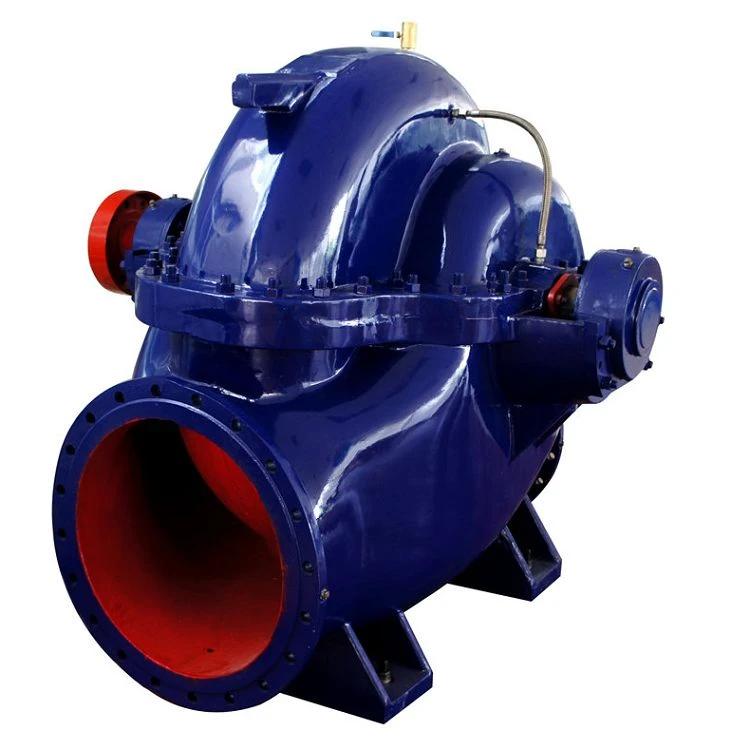
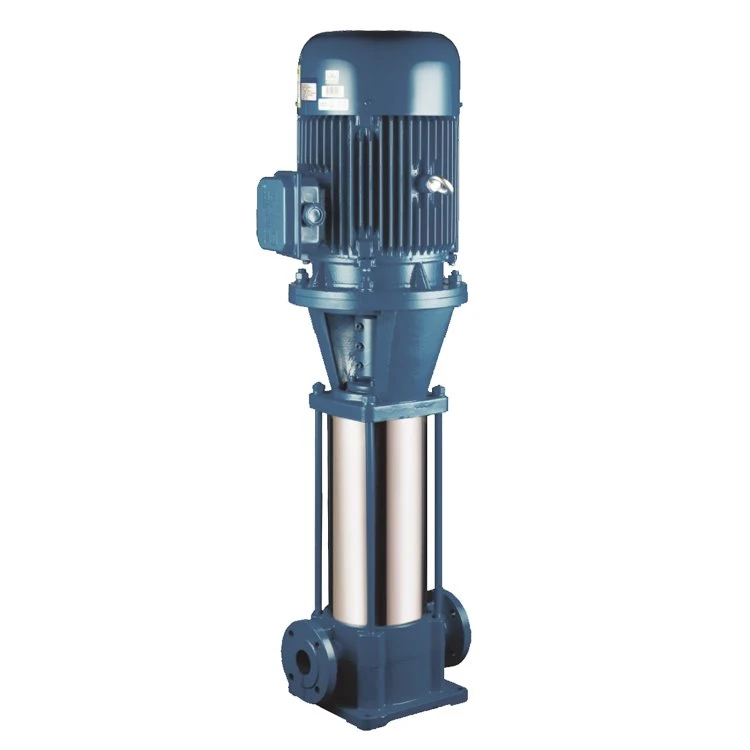
As a slurry pump supplier, we offer a wide range of pumps that are designed to meet the diverse needs of our customers. Along with our slurry pumps, we also have other types of centrifugal pumps, such as Vertical Multistage Pump, Horizontal Split Casing Centrifugal Pump, and End Suction Centrifugal Pump.
All of our pumps are built with high - quality bearings to ensure reliable and efficient operation. We understand the importance of these components in the overall performance of the pump, and we only use the best bearings available on the market.
Why Choose Our Pumps?
When you choose our pumps, you're getting more than just a piece of equipment. You're getting a solution that is backed by our years of experience and expertise in the industry. We take pride in providing our customers with high - quality products that are built to last.
Our pumps are designed to handle the toughest applications, and the bearings we use are carefully selected to ensure optimal performance. Whether you're dealing with abrasive slurries in a mining operation or corrosive liquids in a chemical plant, our pumps are up to the task.
Contact Us for Procurement
If you're in the market for a slurry pump or any of our other centrifugal pumps, we'd love to hear from you. Our team of experts is ready to help you find the right pump for your specific needs. We can provide you with detailed information about our products, including the types of bearings used and how they contribute to the pump's performance.
Don't hesitate to reach out to us to start a conversation about your procurement needs. We're committed to providing you with the best products and service in the industry.
References
- "Centrifugal Pumps: Design and Application" by Igor J. Karassik et al.
- "Pump Handbook" by Karassik, Messina, Cooper, and Heald.
- Industry standards and guidelines related to slurry pumps and bearings.