Do Submersible Pumps Need a Pressure Tank?
As a supplier of submersible pumps, I often get asked whether submersible pumps need a pressure tank. This is a crucial question for many customers, as the answer can significantly impact the efficiency, longevity, and overall performance of their water systems. In this blog post, I'll delve into the details of submersible pumps and pressure tanks, exploring when a pressure tank is necessary and when it might not be.
Understanding Submersible Pumps
Before we discuss pressure tanks, let's briefly understand what submersible pumps are. Submersible pumps are designed to be fully submerged in water. They are commonly used in various applications, including residential water supply, agricultural irrigation, and industrial wastewater management. These pumps work by pushing water to the surface rather than pulling it, which makes them highly efficient and reliable.
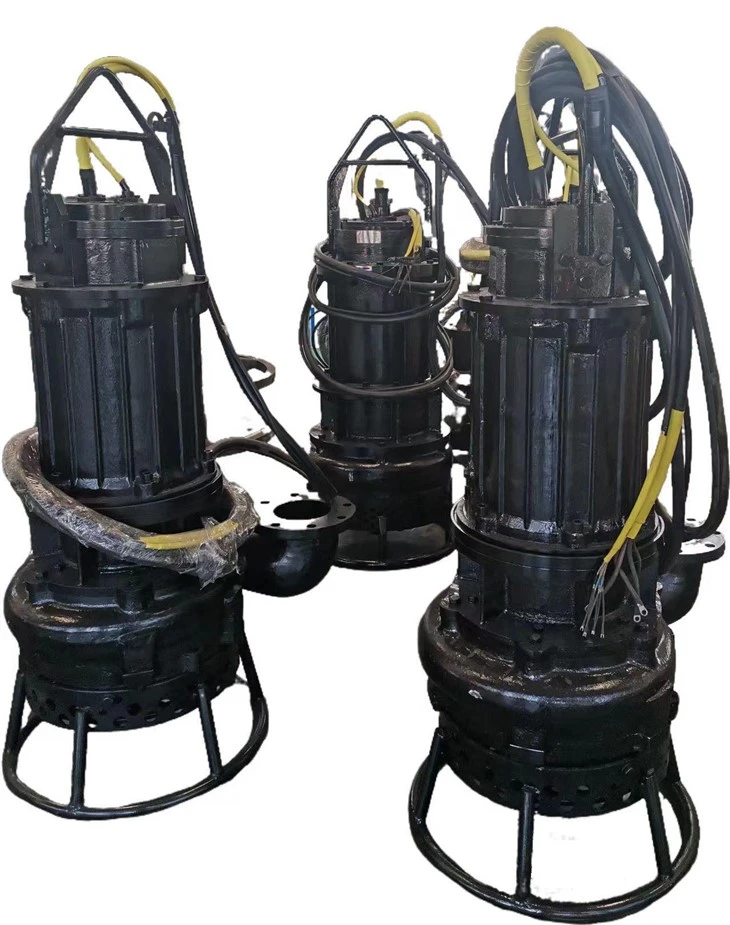
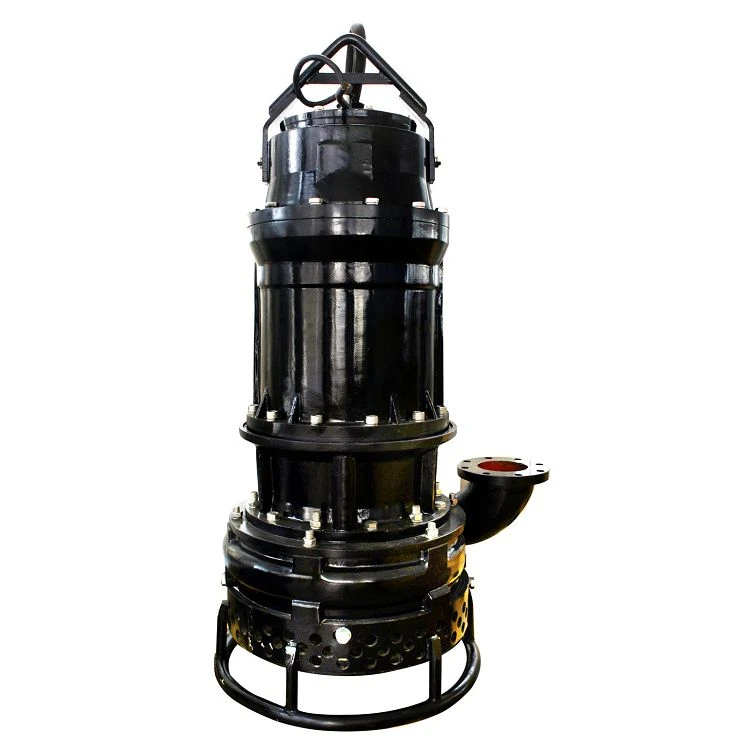
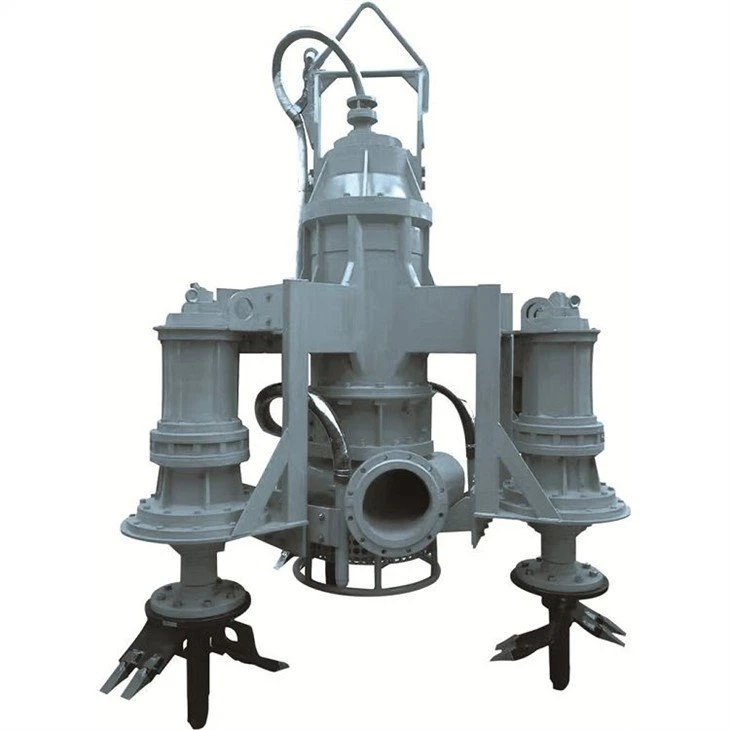
We offer a wide range of submersible pumps, such as the Mine Flameproof Submersible Sand Pump, Submersible Motor, and Submersible Slurry Pump. Each type is engineered to meet specific requirements, whether it's handling abrasive materials in mining operations or providing a steady water supply for a home.
What is a Pressure Tank?
A pressure tank is a container that stores water under pressure. It is typically connected to the output of a submersible pump. The tank has a diaphragm or bladder that separates the water from a volume of compressed air. As the pump fills the tank with water, the air is compressed, creating pressure. When a faucet or other water outlet is opened, the compressed air forces the water out of the tank and into the plumbing system.
When a Pressure Tank is Necessary
- Reducing Pump Cycling
One of the primary reasons to use a pressure tank with a submersible pump is to reduce pump cycling. Every time a faucet is turned on or off, the pump would need to start and stop if there were no pressure tank. Frequent cycling can cause excessive wear and tear on the pump motor, leading to premature failure. A pressure tank stores water under pressure, so the pump doesn't need to start and stop as often. For example, in a residential setting, when you turn on a faucet for a short period, the water can be supplied from the pressure tank without the pump having to start. This not only extends the life of the pump but also saves energy. - Providing Consistent Water Pressure
A pressure tank helps maintain a consistent water pressure throughout the plumbing system. Without a pressure tank, the water pressure can fluctuate significantly, especially when multiple fixtures are in use simultaneously. The compressed air in the pressure tank acts as a buffer, ensuring that water is delivered at a steady pressure. This is particularly important for applications that require a specific pressure, such as some types of irrigation systems or industrial processes. - Preventing Water Hammer
Water hammer is a phenomenon that occurs when the flow of water in a pipe is suddenly stopped or changed. This can cause a loud banging noise and potentially damage the plumbing system. A pressure tank can absorb the shockwaves caused by water hammer, protecting the pipes and fixtures. When the water flow is interrupted, the pressure tank allows the water to continue moving for a short period, reducing the impact of the sudden stop.
When a Pressure Tank Might Not Be Needed
- Low - Demand Systems
In some low - demand systems, such as a small cabin with minimal water usage, a pressure tank may not be necessary. If the water demand is sporadic and very low, the pump can start and stop without causing excessive wear. For example, if the cabin is only used occasionally and the water is mainly used for basic tasks like hand - washing, the pump can handle the infrequent water needs without the help of a pressure tank. - Systems with Constant Flow Requirements
Some industrial processes or large - scale irrigation systems require a constant flow of water. In these cases, a pressure tank may not be beneficial. Instead, a variable - speed drive can be used to control the pump's speed and maintain a consistent flow rate. The pump can operate continuously at the required speed, eliminating the need for a pressure tank to store water.
Factors to Consider When Deciding
- Water Demand
The first factor to consider is the water demand of the system. If the water usage is high and frequent, a pressure tank is likely to be necessary. You need to assess how many fixtures will be used simultaneously and the typical volume of water required. For example, a large household with multiple bathrooms and a garden that needs watering will have a higher water demand compared to a single - room office. - Pump Capacity
The capacity of the submersible pump also plays a role. A larger pump may be able to handle the water demand without the need for a pressure tank in some cases. However, even with a large - capacity pump, a pressure tank can still help reduce cycling and improve the overall efficiency of the system. - Budget
Installing a pressure tank adds to the initial cost of the water system. You need to consider your budget when deciding whether to include a pressure tank. While a pressure tank can save money in the long run by extending the life of the pump and reducing energy consumption, the upfront cost may be a deterrent for some customers.
Conclusion
In conclusion, whether a submersible pump needs a pressure tank depends on several factors, including water demand, pump capacity, and budget. In most cases, especially in residential and commercial applications with moderate to high water usage, a pressure tank is highly recommended. It offers numerous benefits, such as reducing pump cycling, providing consistent water pressure, and preventing water hammer.

If you're considering purchasing a submersible pump or need advice on whether a pressure tank is right for your system, feel free to reach out to us. We have a team of experts who can help you make an informed decision based on your specific requirements. Whether you're interested in our Mine Flameproof Submersible Sand Pump, Submersible Motor, or Submersible Slurry Pump, we're here to assist you in creating an efficient and reliable water system.
References
- "Water Pump Handbook" by Heinz P. Bloch and Allan R. Budris.
- "Pumps and Pumping Systems" by Cameron Hydraulic Data.
- Technical literature from various submersible pump manufacturers.