As a seasoned supplier of Sea Water Pump Parts, I've encountered numerous inquiries regarding the temperature resistance of these crucial components. Understanding the temperature resistance of sea water pump parts is vital for ensuring the optimal performance and longevity of pumps operating in marine environments. In this blog post, I'll delve into the factors influencing temperature resistance, the materials commonly used, and their respective capabilities.
Factors Affecting Temperature Resistance
Several factors come into play when determining the temperature resistance of sea water pump parts. Firstly, the operating environment plays a significant role. Sea water can vary in temperature depending on geographical location, season, and depth. Pumps installed in tropical regions may be exposed to warmer waters, while those in polar areas face colder temperatures. Additionally, the presence of other elements in the water, such as salt, can also impact the temperature resistance of the parts.
Another crucial factor is the type of pump and its intended application. Different pumps are designed to handle specific flow rates, pressures, and temperatures. For instance, high-pressure pumps used in offshore oil and gas operations may require parts with higher temperature resistance compared to low-pressure pumps used for general water circulation.
The design and construction of the pump parts also influence their temperature resistance. Factors such as the thickness of the material, the presence of cooling channels, and the overall structural integrity can all affect how well the parts can withstand high temperatures.
Common Materials Used in Sea Water Pump Parts
To meet the diverse temperature requirements of sea water pumps, a variety of materials are used in the manufacturing of pump parts. Each material has its own unique properties and temperature resistance capabilities. Here are some of the most commonly used materials:
Stainless Steel
Stainless steel is a popular choice for sea water pump parts due to its excellent corrosion resistance and high strength. It can withstand a wide range of temperatures, typically from -20°C to 300°C. The specific temperature resistance of stainless steel depends on its composition, with different grades offering varying levels of performance. For example, austenitic stainless steels, such as 316 and 316L, are known for their good resistance to corrosion and high temperatures, making them suitable for use in sea water pumps.
Bronze
Bronze is another commonly used material in sea water pump parts. It has good corrosion resistance and is relatively easy to machine. Bronze can typically withstand temperatures up to 200°C. It is often used for components such as impellers, bearings, and bushings.
Titanium
Titanium is a high-performance material with excellent corrosion resistance and high strength-to-weight ratio. It can withstand extremely high temperatures, up to 600°C. Titanium is commonly used in applications where high temperature and corrosion resistance are critical, such as in deep-sea oil and gas exploration.
Composite Materials
Composite materials, such as fiberglass-reinforced plastic (FRP), are increasingly being used in the manufacturing of sea water pump parts. These materials offer a combination of high strength, corrosion resistance, and low weight. They can typically withstand temperatures up to 100°C. Composite materials are often used for pump casings, covers, and other non-structural components.
Temperature Resistance of Specific Pump Parts
Now, let's take a closer look at the temperature resistance of some specific sea water pump parts:
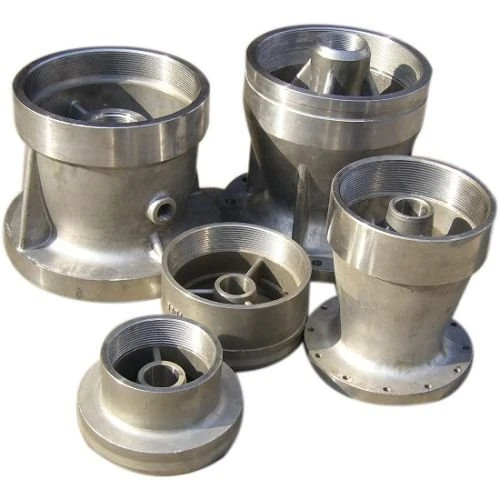
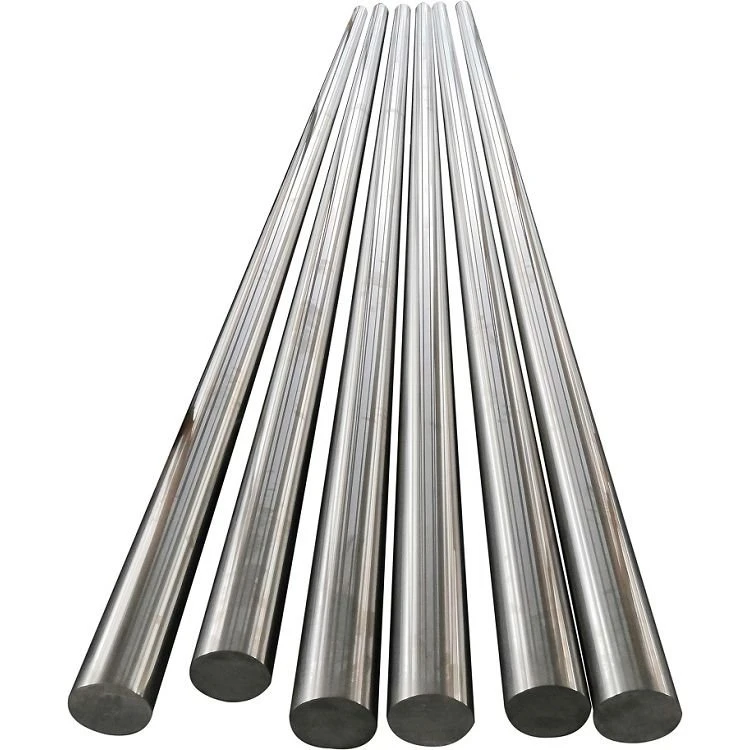
Pump Shaft
The pump shaft is a critical component that transfers power from the motor to the impeller. It needs to have good strength and corrosion resistance, as well as the ability to withstand high temperatures. Pump Shaft made from stainless steel or titanium are commonly used in sea water pumps. Stainless steel shafts can typically withstand temperatures up to 300°C, while titanium shafts can handle temperatures up to 600°C.
Impeller
The impeller is responsible for creating the flow and pressure in the pump. It needs to be able to withstand the forces generated by the rotating fluid and the abrasive nature of sea water. Impellers are often made from bronze or stainless steel. Bronze impellers can typically withstand temperatures up to 200°C, while stainless steel impellers can handle temperatures up to 300°C.
Pump Casing
The pump casing houses the impeller and other internal components of the pump. It needs to have good structural integrity and corrosion resistance. Pump casings are commonly made from stainless steel, cast iron, or composite materials. Stainless steel casings can withstand temperatures up to 300°C, while cast iron casings can typically handle temperatures up to 200°C. Composite casings can withstand temperatures up to 100°C.
Importance of Temperature Resistance in Sea Water Pumps
Ensuring the temperature resistance of sea water pump parts is crucial for several reasons. Firstly, it helps to prevent premature failure of the pump. High temperatures can cause the materials to expand, which can lead to dimensional changes and increased stress on the parts. This can result in cracking, deformation, and ultimately, failure of the pump.
Secondly, temperature resistance is important for maintaining the efficiency of the pump. When the pump parts are exposed to high temperatures, the performance of the pump can be affected. For example, the impeller may lose its shape, which can reduce the flow rate and pressure of the pump. By using parts with appropriate temperature resistance, the pump can continue to operate at its optimal efficiency.
Finally, temperature resistance is essential for ensuring the safety of the pump and the surrounding environment. In some applications, such as in offshore oil and gas operations, the failure of a pump can have serious consequences, including environmental pollution and loss of life. By using high-quality pump parts with adequate temperature resistance, the risk of pump failure can be minimized.
Conclusion
In conclusion, the temperature resistance of sea water pump parts is a critical factor that needs to be considered when selecting and designing pumps for marine applications. By understanding the factors influencing temperature resistance, the materials commonly used, and their respective capabilities, you can make informed decisions to ensure the optimal performance and longevity of your sea water pumps.
As a supplier of Sea Water Pump Parts, I'm committed to providing high-quality products that meet the diverse temperature requirements of our customers. If you have any questions or need assistance in selecting the right pump parts for your application, please don't hesitate to contact us. We'll be happy to help you find the best solutions for your needs.
References
- ASM Handbook, Volume 13A: Corrosion: Fundamentals, Testing, and Protection
- Pump Handbook, Fourth Edition by Igor Karassik et al.
- Marine Engineering: Principles, Practices, and Regulations by David J. Twidell