Hey there! As a supplier of Pump Shaft, I often get asked about the torque capacity of a pump shaft. It's a crucial topic because the torque capacity directly affects the performance and reliability of a pump. So, let's dive right in and explore what the torque capacity of a pump shaft is all about.
What is Torque?
Before we talk about torque capacity, let's quickly understand what torque is. Torque is basically a measure of the force that can cause an object to rotate around an axis. In the context of a pump shaft, torque is what makes the shaft turn and drive the impeller, which then moves the fluid through the pump. You can think of it as a twisting force.
Imagine you're using a wrench to tighten a bolt. The amount of force you apply to the end of the wrench and the length of the wrench determine how much torque you're applying to the bolt. The longer the wrench or the more force you use, the greater the torque. In a pump, the motor provides the torque to the shaft, and the shaft transfers this torque to the impeller.
Factors Affecting Torque Capacity
Now, what determines the torque capacity of a pump shaft? There are several factors at play here.
Shaft Material
The material of the pump shaft is a major factor. Different materials have different mechanical properties, such as strength and stiffness. For example, stainless steel is a popular choice for pump shafts because it offers good corrosion resistance and relatively high strength. High - strength alloy steels can handle even more torque, but they might be more expensive.
If you're dealing with a Sea Water Pump Parts, the shaft material needs to be able to withstand the corrosive nature of seawater. In such cases, materials like duplex stainless steel are often used. They have a high resistance to corrosion and can still provide a decent torque capacity.
Shaft Diameter
The diameter of the shaft also matters a great deal. A larger diameter shaft generally has a higher torque capacity. This is because a larger shaft has more material to resist the twisting force. Think of it like a thicker tree trunk being able to withstand more wind force compared to a thinner one.
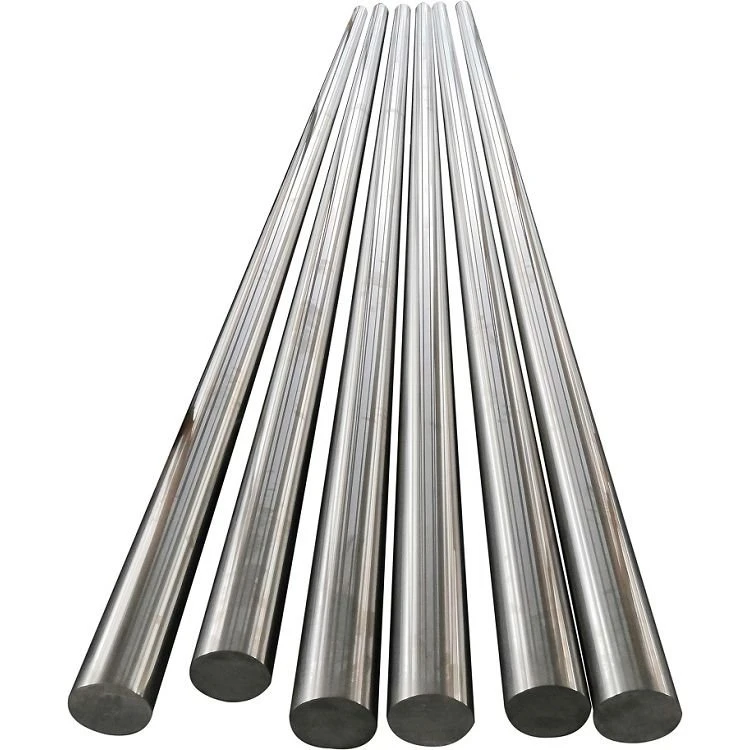
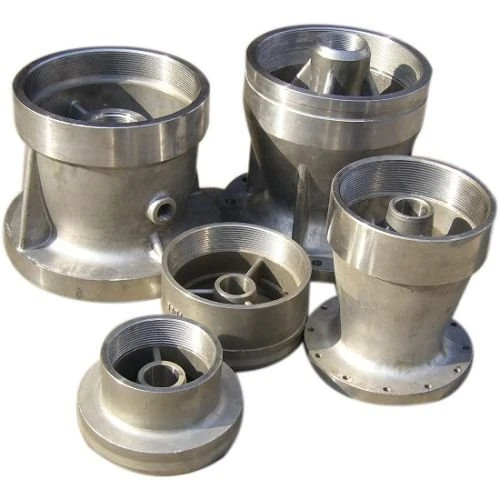
When designing a pump, engineers calculate the required shaft diameter based on the expected torque. If the torque is too high for a given shaft diameter, the shaft may twist or even break, which can lead to pump failure.
Shaft Length
The length of the shaft can affect its torque capacity as well. A longer shaft is more likely to experience deflection under torque, which can reduce its effective torque - carrying ability. This is why in some pump designs, shorter shafts are preferred when high torque is involved.
However, sometimes the overall pump design dictates the shaft length. In such cases, additional support bearings may be used to reduce the deflection and maintain the torque capacity.
Keyways and Couplings
Keyways are slots cut into the shaft to fit keys, which are used to transmit torque from the motor to the shaft and from the shaft to the impeller. The size and number of keyways can affect the torque capacity. A poorly designed keyway can create stress concentrations in the shaft, reducing its overall strength.
Couplings are used to connect the pump shaft to the motor shaft. The type and quality of the coupling can also impact the torque transfer. A good coupling should be able to transmit the torque efficiently without introducing excessive vibrations or misalignment.
Calculating Torque Capacity
Calculating the torque capacity of a pump shaft is not a simple task. It usually involves some complex engineering calculations based on the principles of mechanics.
One common approach is to use the torsional shear stress formula. The formula for torsional shear stress (τ) in a solid circular shaft is given by:
τ = (T * r) / J
where T is the torque, r is the radius of the shaft, and J is the polar moment of inertia of the shaft cross - section. For a solid circular shaft, J = (π * d⁴) / 32, where d is the diameter of the shaft.
The maximum allowable torque (T_max) can be found by rearranging the formula and using the allowable shear stress (τ_allow) of the shaft material:
T_max = (τ_allow * J) / r
However, these calculations are often simplified in practice, and engineers also take into account safety factors to ensure that the shaft can handle unexpected loads.
Importance of Torque Capacity in Pump Operation
The torque capacity of a pump shaft is critical for the proper operation of the pump. If the torque capacity is too low, the shaft may not be able to transmit the required torque from the motor to the impeller. This can result in the pump not being able to generate enough flow or pressure.
On the other hand, if the shaft has a much higher torque capacity than necessary, it can lead to an over - engineered and more expensive pump. So, finding the right balance is essential.
In addition, understanding the torque capacity helps in pump maintenance. If a pump is experiencing problems, such as excessive vibrations or reduced performance, checking the torque capacity and related factors can help diagnose the issue. For example, if the shaft is close to its torque limit, it may be a sign that the pump is being overloaded or that there is a problem with the motor or coupling.
How We Ensure High - Quality Torque Capacity in Our Pump Shafts
As a pump shaft supplier, we take several steps to ensure that our pump shafts have the right torque capacity.
First, we carefully select the shaft materials. We source high - quality materials from reliable suppliers and conduct material testing to ensure that they meet the required specifications.
Our engineers use advanced design software to calculate the optimal shaft diameter and length based on the expected torque requirements. We also pay close attention to the design of keyways and couplings to ensure efficient torque transfer.
During the manufacturing process, we have strict quality control measures in place. We use precision machining techniques to ensure that the shaft dimensions are accurate. We also perform non - destructive testing, such as ultrasonic testing, to detect any internal defects that could affect the torque capacity.
Contact Us for Your Pump Shaft Needs
If you're in the market for high - quality pump shafts with the right torque capacity, look no further. We're here to provide you with the best solutions for your pump applications. Whether you need a pump shaft for a small domestic pump or a large industrial pump, we have the expertise and resources to meet your requirements.
Don't hesitate to reach out to us to discuss your specific needs and get a quote. We're always happy to help you find the perfect pump shaft for your project.
References
- Budynas, R. G., & Nisbett, J. K. (2011). Shigley's Mechanical Engineering Design. McGraw - Hill.
- Juvinall, R. C., & Marshek, K. M. (2006). Fundamentals of Machine Component Design. Wiley.