Hey there! As a supplier of pump suction components, I've seen firsthand how crucial it is to have a well - performing pump suction system. One nifty little device that can make a world of difference is the diffuser. In this blog, I'll break down how a diffuser can improve pump suction performance.
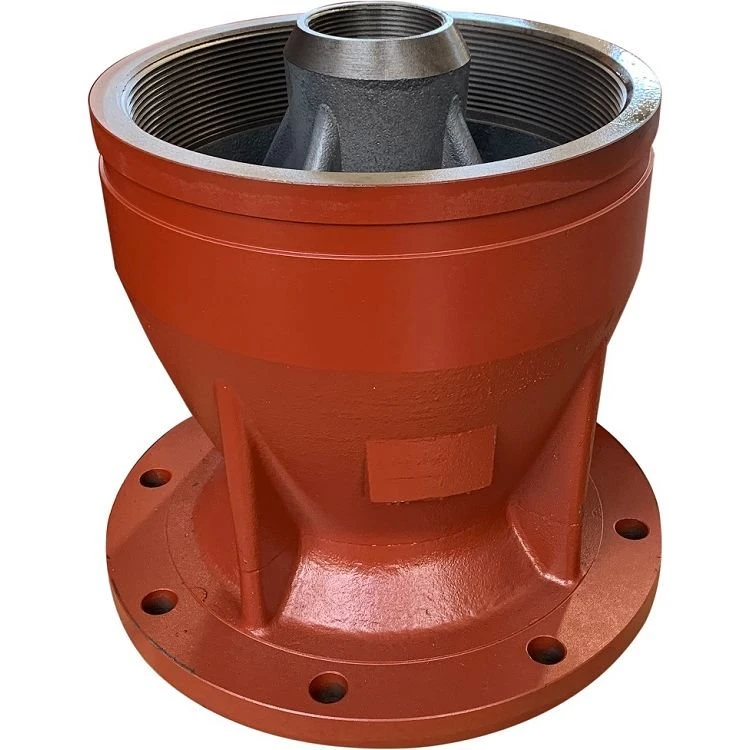
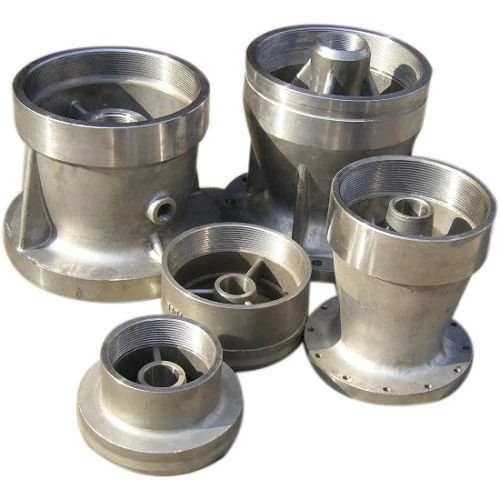
First off, let's talk about what a diffuser actually is. A diffuser is a component that's typically installed at the inlet of a pump. Its main job is to slow down the fluid velocity and increase the pressure of the fluid before it enters the pump. You might be wondering, "Why on earth would I want to slow down the fluid?" Well, it all boils down to the way pumps work.
Pumps are designed to handle fluids at specific flow rates and pressures. When the fluid enters the pump at a high velocity, it can create all sorts of problems. For example, high - velocity fluid can cause cavitation. Cavitation is like having tiny explosions inside the pump. When the fluid moves too fast, the pressure drops in certain areas, and vapor bubbles form. These bubbles then collapse violently when they reach higher - pressure areas, which can damage the pump impeller and other internal components over time.
A diffuser helps prevent cavitation by reducing the fluid velocity. As the fluid passes through the diffuser, the cross - sectional area gradually increases. According to the principle of continuity (Q = A1V1 = A2V2, where Q is the volumetric flow rate, A is the cross - sectional area, and V is the velocity), when the area increases, the velocity decreases. This means that the fluid enters the pump at a more manageable speed, reducing the risk of cavitation.
Another way a diffuser improves pump suction performance is by improving the flow distribution. In a pump suction system without a diffuser, the fluid flow can be uneven. Some parts of the pump inlet might receive more fluid than others, which can lead to inefficient operation. A diffuser acts as a flow straightener. It evenly distributes the fluid across the pump inlet, ensuring that all parts of the impeller receive a consistent supply of fluid. This results in smoother operation and better overall performance of the pump.
Let's also talk about the impact of a diffuser on the net positive suction head available (NPSHa). NPSHa is a measure of the pressure available at the pump inlet to prevent cavitation. A diffuser can increase the NPSHa by increasing the pressure of the fluid before it enters the pump. When the fluid velocity is reduced in the diffuser, the kinetic energy of the fluid is converted into pressure energy. This additional pressure can be crucial in ensuring that the pump has enough NPSHa to operate without cavitation, especially in applications where the suction conditions are challenging.
Now, when it comes to choosing the right pump suction components, we offer a variety of options. For those looking for durability and corrosion resistance, our Stainless Steel Pump Suction is a great choice. Stainless steel is known for its ability to withstand harsh environments and resist rust and corrosion. On the other hand, if you're on a budget or need a more traditional option, our Cast Iron Pump Suction might be the way to go. Cast iron is strong and has been used in pump applications for a long time.
A diffuser can also enhance the efficiency of the pump. When the pump doesn't have to deal with issues like cavitation and uneven flow, it can operate more smoothly and use less energy. This means lower operating costs for you in the long run. For example, in industrial applications where pumps run continuously, even a small increase in efficiency can result in significant savings over time.
In addition to improving the performance of the pump itself, a diffuser can also extend the lifespan of the pump. By reducing the damage caused by cavitation and ensuring a more even flow, the internal components of the pump are subject to less wear and tear. This means fewer repairs and replacements, which saves you both time and money.
When installing a diffuser in your pump suction system, it's important to make sure it's the right size and type for your specific application. The design of the diffuser, including the angle of the expansion and the length, can have a big impact on its performance. A poorly designed diffuser might not achieve the desired results and could even cause more problems. That's where our expertise as a pump suction supplier comes in. We can help you select the right diffuser and pump suction components for your needs.
If you're in the market for pump suction components or want to learn more about how a diffuser can improve your pump's performance, don't hesitate to get in touch. Whether you're a small business owner looking to optimize your water pumping system or an industrial operator in need of high - performance pump solutions, we've got you covered. Our team of experts is ready to assist you in making the right choices for your application.
In conclusion, a diffuser is a simple yet powerful device that can have a significant impact on pump suction performance. It reduces the risk of cavitation, improves flow distribution, increases NPSHa, enhances efficiency, and extends the lifespan of the pump. And with our wide range of Stainless Steel Pump Suction and Cast Iron Pump Suction options, you can find the perfect components for your pump system. So, if you're looking to take your pump's performance to the next level, consider adding a diffuser to your setup.
References
- Fluid Mechanics textbooks (e.g., "Fluid Mechanics" by Frank M. White)
- Pump manufacturer's technical manuals
- Industry research papers on pump performance optimization