The weight of a pump bowl is a crucial factor that impacts various aspects of pump performance, installation, and maintenance. As a supplier of pump bowls, I've had the privilege of delving deep into the intricacies of these components and understanding how their weight can make a significant difference.
Factors Influencing the Weight of a Pump Bowl
The weight of a pump bowl is primarily determined by several key factors. Material composition stands out as one of the most influential elements. Different materials possess distinct densities, which directly translate to variations in weight. For instance, a Stainless Steel Bowl is likely to be heavier than a glass-lined one due to the inherent density of stainless steel. Stainless steel is a robust and corrosion-resistant material, often chosen for its durability in harsh environments. Its high density contributes to a substantial weight, which can be both an advantage and a drawback depending on the application.
On the other hand, a Glass-Lined Bowl offers a lighter alternative. Glass lining provides excellent chemical resistance, making it suitable for handling corrosive fluids. The glass layer is relatively thin and less dense compared to stainless steel, resulting in a lighter overall weight. This can be beneficial in applications where weight restrictions are a concern, such as in portable or lightweight pump systems.
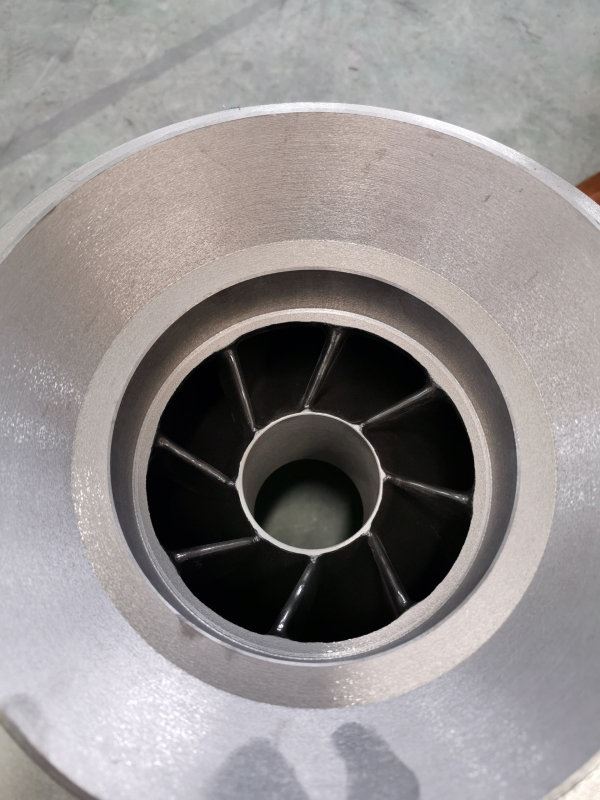

The size and design of the pump bowl also play a significant role in determining its weight. Larger pump bowls naturally require more material, leading to increased weight. Additionally, the shape and complexity of the design can impact the amount of material used. For example, a pump bowl with intricate internal structures or additional features may weigh more than a simpler, more streamlined design.
Implications of Pump Bowl Weight
The weight of a pump bowl has far-reaching implications for various aspects of pump operation. During installation, the weight of the pump bowl must be carefully considered to ensure proper handling and positioning. Heavier pump bowls may require specialized lifting equipment and additional manpower to install safely. This can increase the installation time and cost, as well as the risk of accidents or damage to the equipment.
In terms of performance, the weight of the pump bowl can affect the stability and balance of the pump system. A heavier pump bowl can provide greater stability, reducing the risk of vibration and noise during operation. This is particularly important in high-speed or high-pressure applications, where excessive vibration can lead to premature wear and tear on the pump components.
However, excessive weight can also have negative consequences. It can increase the energy consumption of the pump, as more power is required to move the heavier components. This can result in higher operating costs over the lifetime of the pump. Additionally, the weight of the pump bowl can put additional stress on the pump shaft and bearings, potentially leading to premature failure.
Selecting the Right Pump Bowl
When selecting a pump bowl, it's essential to strike a balance between weight and performance. Consider the specific requirements of your application, including the type of fluid being pumped, the operating conditions, and any weight restrictions. If you're working with a corrosive fluid, a glass-lined bowl may be a suitable choice due to its chemical resistance and lighter weight. On the other hand, if you need a pump bowl that can withstand high pressures and harsh environments, a stainless steel bowl may be more appropriate, despite its heavier weight.
It's also important to work with a reputable supplier who can provide expert advice and guidance. At our company, we have extensive experience in the pump industry and can help you select the right pump bowl for your needs. We offer a wide range of pump bowls in different materials, sizes, and designs, ensuring that you can find the perfect solution for your application.
Contact Us for Pump Bowl Procurement
If you're in the market for a pump bowl, we'd love to hear from you. Our team of experts is ready to assist you in selecting the right pump bowl for your specific requirements. We offer competitive pricing, high-quality products, and excellent customer service. Whether you need a single pump bowl or a large quantity for a project, we can provide you with the solutions you need.
To learn more about our pump bowls or to request a quote, please contact us today. We look forward to working with you and helping you achieve optimal pump performance.
References
- "Pump Handbook" by Igor J. Karassik et al.
- "Centrifugal Pumps: Design and Application" by Heinz P. Bloch and Fred K. Geitner.
- Industry standards and guidelines related to pump design and operation.