Hey there! I'm a supplier in the pump casting business, and today I wanna chat about the quality control measures we've got in place. Quality is super important in our industry, and it's what sets us apart from the competition. So, let's dive right in and explore the steps we take to ensure top - notch pump castings.
Material Inspection
The first and most crucial step in quality control is material inspection. You see, the quality of the final pump casting depends heavily on the raw materials we use. We source our materials from trusted suppliers, but that doesn't mean we skip the inspection process.
When the materials arrive at our facility, we conduct a series of tests. For metals like stainless steel and ductile iron, we start with a visual inspection. We look for any obvious signs of damage, corrosion, or impurities on the surface. Then, we move on to more in - depth testing.
We use techniques like chemical analysis to determine the exact composition of the materials. This is really important because the right chemical balance ensures the mechanical properties of the pump casting. For example, in Stainless Steel Pump Casting, the right amount of chromium and nickel is essential for corrosion resistance. If the chemical composition is off, the pump might not be able to withstand the harsh environments it's designed for.
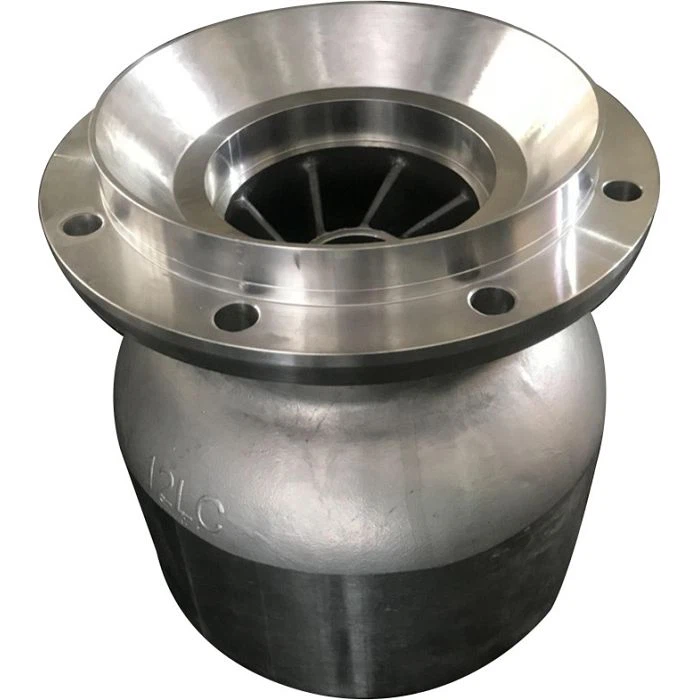
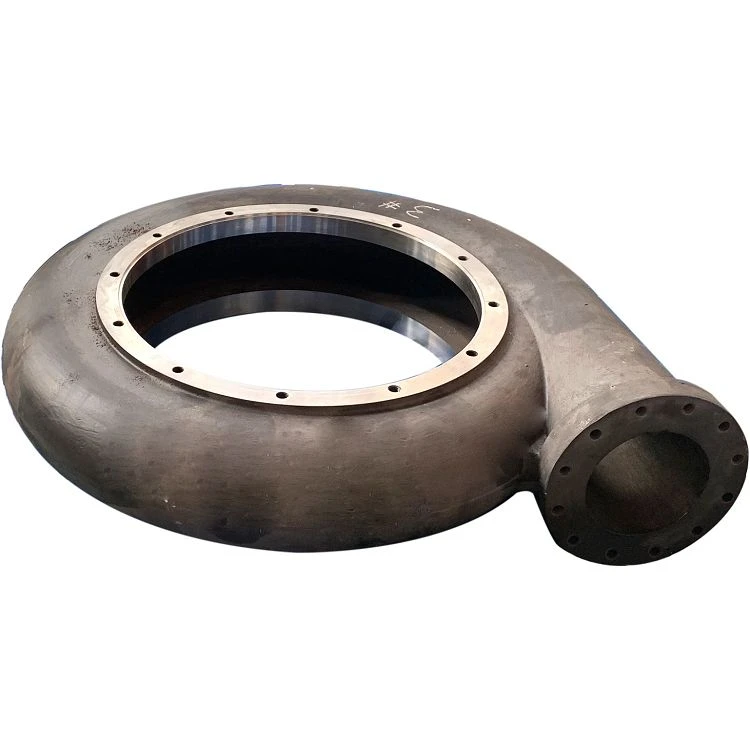
Another test we do is the hardness test. This helps us understand the material's resistance to indentation and wear. In the case of Wear Resistant Pump Parts, a high - hardness material is a must. We use a hardness tester to measure the hardness at different points on the material. If the hardness is not within the specified range, the material might not be suitable for the pump casting.
Pattern and Mold Inspection
Once we've got the right materials, the next step is creating the pattern and mold. The pattern is like a blueprint for the pump casting, and the mold is what gives the casting its shape.
We start by inspecting the pattern for accuracy. It needs to be the exact size and shape of the final pump casting. Any deviations in the pattern can lead to defects in the casting. We use precision measuring tools like calipers and micrometers to check the dimensions of the pattern. If there are any errors, we make the necessary adjustments before moving on to the mold - making process.
The mold is then inspected thoroughly. We check for any cracks, voids, or rough surfaces. A damaged mold can cause problems like porosity or uneven surfaces in the pump casting. We also ensure that the mold has the right venting system. Proper venting is crucial because it allows the air and gases to escape during the casting process. Without proper venting, the casting might have air pockets, which can weaken its structure.
Casting Process Monitoring
The casting process is where the magic happens, but it's also where things can go wrong if not monitored closely. We use a variety of techniques to keep an eye on the process.
One of the key parameters we monitor is the temperature. The molten metal needs to be at the right temperature for proper flow and solidification. If the temperature is too high, the metal might react with the mold material, causing defects. If it's too low, the metal might not fill the mold completely, resulting in incomplete castings. We use thermocouples to measure the temperature of the molten metal at different stages of the casting process.
We also monitor the pouring speed. The speed at which the molten metal is poured into the mold affects the quality of the casting. A too - fast pouring speed can cause turbulence, which can lead to air entrapment and other defects. A too - slow pouring speed can cause the metal to solidify before filling the mold completely. We use flow meters and control systems to ensure the pouring speed is within the optimal range.
In addition to temperature and pouring speed, we also keep an eye on the pressure in the mold. Proper pressure is necessary to ensure that the molten metal fills all the cavities of the mold. We use pressure sensors to monitor the pressure and make adjustments as needed.
Post - Casting Inspection
After the casting is done, we don't just assume it's perfect. We conduct a comprehensive post - casting inspection.
First, we do a visual inspection. We look for any surface defects like cracks, porosity, or rough edges. Surface defects can not only affect the appearance of the pump casting but also its performance. For example, a crack can propagate under stress, leading to the failure of the pump.
Then, we move on to dimensional inspection. We use coordinate measuring machines (CMMs) to check if the casting meets the specified dimensions. Even a small deviation in dimensions can cause problems when the pump casting is assembled with other parts. If the dimensions are not correct, we might need to machine the casting to bring it within the tolerance range.
We also perform non - destructive testing (NDT) on the pump casting. NDT techniques like ultrasonic testing and X - ray testing are used to detect internal defects that are not visible to the naked eye. These defects can weaken the structure of the casting and reduce its lifespan. For example, in Ductile Iron Casting, internal defects can affect the ductility and strength of the material.
Quality Assurance Documentation
Throughout the entire process, we keep detailed quality assurance documentation. This includes records of material inspections, pattern and mold inspections, casting process parameters, and post - casting inspections.
The documentation serves as a proof of quality for our customers. It shows that we've followed all the necessary steps to ensure the quality of the pump casting. It also helps us in case there are any quality issues in the future. We can refer back to the documentation to identify the root cause of the problem and take corrective actions.
Continuous Improvement
Quality control is not a one - time thing. We're always looking for ways to improve our processes and products. We collect feedback from our customers and use it to identify areas for improvement.
We also invest in research and development to stay updated with the latest technologies and best practices in pump casting. For example, we're constantly exploring new materials and casting techniques that can improve the quality and performance of our pump castings.
Conclusion
So, there you have it! These are the quality control measures we have in place as a pump casting supplier. From material inspection to post - casting testing and continuous improvement, we leave no stone unturned to ensure that our pump castings meet the highest standards of quality.
If you're in the market for high - quality pump castings, whether it's Wear Resistant Pump Parts, Stainless Steel Pump Casting, or Ductile Iron Casting, we'd love to have a chat with you. We're confident that our quality control measures will give you the peace of mind you need when it comes to your pump casting needs. Reach out to us to start a conversation about your requirements and let's work together to find the best solutions for you.
References
- ASM Handbook Committee. (2008). ASM Handbook, Volume 15: Casting. ASM International.
- Campbell, J. (2003). Castings. Butterworth - Heinemann.
- Schaeffler, A. L. (1949). Constitution diagram for stainless steel weld metals. Welding Journal, 28(10), 352s - 359s.