Hey there! As a supplier of centrifugal pumps, I often get asked about when a multi - stage centrifugal pump should be used. Well, let's dive right into it.
First off, what exactly is a multi - stage centrifugal pump? Simply put, it's a type of pump that has multiple impellers arranged in series. Each impeller adds to the pressure of the fluid being pumped, allowing for higher discharge pressures compared to single - stage pumps.
High - Pressure Applications
One of the most common scenarios where multi - stage centrifugal pumps shine is in high - pressure applications. Industries like oil and gas, power generation, and water treatment often require pumps that can generate significant pressure to move fluids over long distances or through complex piping systems.
In the oil and gas industry, for example, multi - stage centrifugal pumps are used for pipeline transfer. Crude oil needs to be pumped from the wellhead to refineries, sometimes over hundreds of miles. These pumps can build up the pressure necessary to overcome the frictional losses in the pipeline and keep the oil flowing smoothly. Similarly, in power plants, multi - stage pumps are used for boiler feedwater. The water needs to be pumped into the boiler at high pressure to ensure efficient steam generation.
If you're looking for a pump for such high - pressure tasks, our Vertical Multistage Pump is a great option. It's designed to handle high pressures with ease and is highly reliable.
High - Head Requirements
Another situation where multi - stage centrifugal pumps are a must is when there are high - head requirements. Head refers to the height that a pump can lift a fluid. In applications like tall building water supply, multi - stage pumps are essential. Imagine a skyscraper with dozens of floors. A single - stage pump wouldn't be able to provide enough pressure to supply water to the upper floors. But a multi - stage pump can gradually increase the pressure, ensuring that every floor gets an adequate water supply.
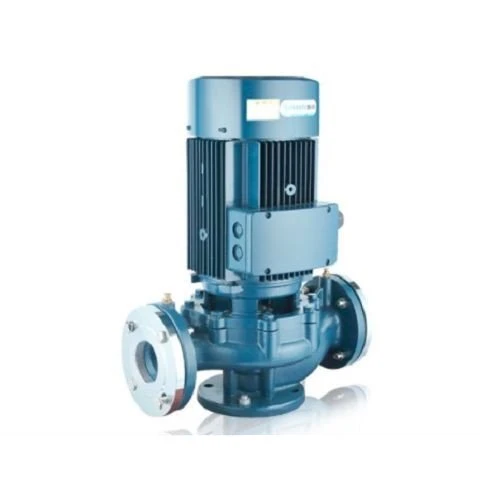
Our Vertical In Line Pump is well - suited for high - head applications. It's compact and can be easily installed in tight spaces, making it ideal for building water supply systems.
Precise Flow and Pressure Control
Multi - stage centrifugal pumps also offer excellent control over flow and pressure. In processes where precise control is crucial, such as in chemical manufacturing, these pumps are the go - to choice. Chemical reactions often require a specific flow rate and pressure of reactants to proceed correctly. A multi - stage pump can be adjusted to maintain the exact conditions needed.
Let's say you're running a chemical plant that produces a particular compound. You need to pump a reactant into the reactor at a very specific pressure and flow rate. A multi - stage pump can be fine - tuned to meet these requirements, ensuring the quality and consistency of your product.
Low - Viscosity Fluids
Multi - stage centrifugal pumps work best with low - viscosity fluids. Fluids like water, gasoline, and light oils are ideal candidates. The design of the impellers in these pumps is optimized for low - viscosity fluids, allowing for efficient operation. When dealing with high - viscosity fluids, the performance of a multi - stage pump may degrade, as the fluid may not flow as easily through the impellers.
Large - Scale Water Distribution
In large - scale water distribution systems, such as those in municipalities, multi - stage centrifugal pumps play a vital role. These systems need to supply water to a large number of consumers over a wide area. The pumps need to be able to generate enough pressure to reach all the customers and maintain a consistent flow.
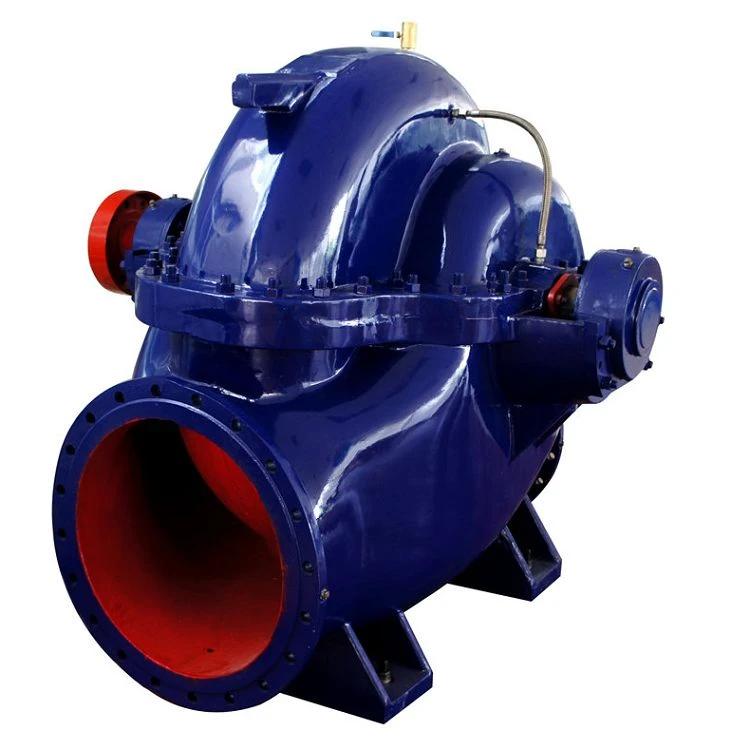
Our Horizontal Split Casing Centrifugal Pump is a popular choice for large - scale water distribution. It has a high flow capacity and can handle the demands of a big - city water supply network.
When NOT to Use a Multi - Stage Centrifugal Pump
While multi - stage centrifugal pumps have many advantages, there are also situations where they may not be the best option. For example, if you only need to pump a small amount of fluid over a short distance at low pressure, a single - stage pump may be more cost - effective. Single - stage pumps are simpler in design and generally less expensive to purchase and maintain.
Also, if you're dealing with highly viscous fluids, like thick syrups or heavy oils, positive displacement pumps may be a better choice. Positive displacement pumps are better at handling high - viscosity fluids because they work by trapping and moving a fixed volume of fluid with each cycle.
Conclusion
So, to sum it up, multi - stage centrifugal pumps are the way to go when you have high - pressure or high - head requirements, need precise flow and pressure control, are working with low - viscosity fluids, or are involved in large - scale water distribution. If you're facing any of these situations, we've got a range of high - quality multi - stage centrifugal pumps that can meet your needs.
Whether you're in the oil and gas industry, a power plant operator, a building manager, or a chemical manufacturer, we can help you find the right pump for your application. Don't hesitate to reach out to us for more information or to start a purchase negotiation. We're here to make sure you get the best pump solution for your business.
References
- "Centrifugal Pumps: Design and Application" by Igor J. Karassik et al.
- "Pump Handbook" by Igor J. Karassik et al.