Hey there! As a supplier of Pump Shaft, I often get asked if a pump shaft can be replaced easily. Well, the answer isn't as straightforward as a simple yes or no. It depends on a bunch of factors, and in this blog, I'm gonna break it all down for you.
First off, let's talk about what a pump shaft is and what it does. A pump shaft is a crucial part of a pump. It's basically the rod that connects the motor to the impeller of the pump. The motor spins the shaft, and the shaft, in turn, spins the impeller, which is what moves the fluid through the pump. So, it's a pretty important piece of the puzzle.
Now, whether or not a pump shaft can be replaced easily depends on the type of pump you're dealing with. There are all sorts of pumps out there - centrifugal pumps, positive displacement pumps, and more. Each type has its own design and construction, which can make the shaft replacement process different.
For some simple, small - scale pumps, like those used in household water systems or small - sized industrial applications, replacing the pump shaft can be relatively easy. These pumps are often designed with maintenance in mind, and their components are more accessible. You might be able to take off a few bolts, remove the old shaft, and put in a new one without too much hassle.
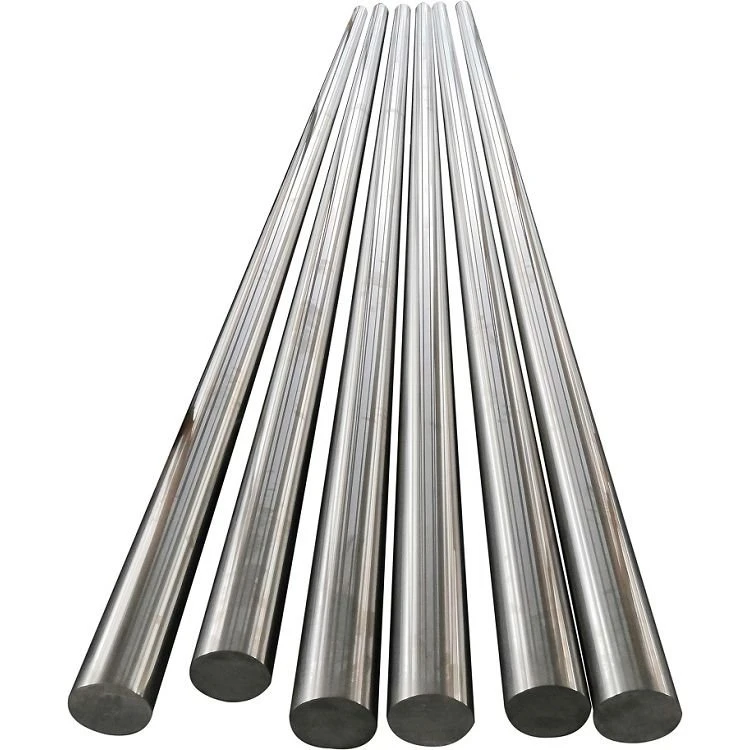
Let's say you have a small centrifugal pump in your home garden for watering. The pump is probably not too complex, and if the shaft gets damaged, you can usually find a replacement Pump Shaft that fits. You'll need a few basic tools like a wrench to remove the bolts holding the pump casing together. Once you've opened up the pump, you can slide out the old shaft and slide in the new one. Then, just reassemble the pump, and you're good to go.
But it's a whole different story when it comes to large - scale industrial pumps. These pumps are massive, and they're often custom - built for specific applications. They can be used in power plants, refineries, or large manufacturing facilities. In these cases, replacing the pump shaft is a much more complicated process.
Industrial pumps are usually built to be very durable, but they also have a lot of complex components. The shaft might be connected to a sophisticated gearbox or a high - speed motor. There could be seals, bearings, and other parts that need to be carefully removed and reinstalled. And because these pumps are so big and heavy, you might need special equipment like cranes or hoists just to access the shaft.
Another factor that affects how easy it is to replace a pump shaft is the condition of the pump itself. If the pump has been in use for a long time, there could be a lot of wear and tear on other parts as well. For example, the bearings that support the shaft might be worn out, and replacing the shaft without replacing the bearings could lead to more problems down the line. So, you might end up having to replace multiple parts at once, which makes the process more time - consuming and complicated.
Let's also talk about the availability of replacement parts. If you're lucky, you can find a Pump Shaft that's an exact match for your pump. But sometimes, you might have an older pump model, or a pump that was custom - made. In these cases, finding a replacement shaft can be a challenge. You might have to get a shaft custom - made, which takes time and can be expensive.
When it comes to the actual replacement process, there are a few key steps that need to be followed, regardless of the type of pump. First, you need to make sure the pump is completely shut down and disconnected from any power source. Safety first, right? Then, you'll need to drain the fluid from the pump to avoid any spills or messes.
Next, you'll have to remove the pump casing. This might involve removing bolts, nuts, or other fasteners. Once the casing is off, you can access the shaft. You'll need to carefully remove any couplings, seals, or bearings that are attached to the shaft. This is where having the right tools and some mechanical know - how comes in handy.
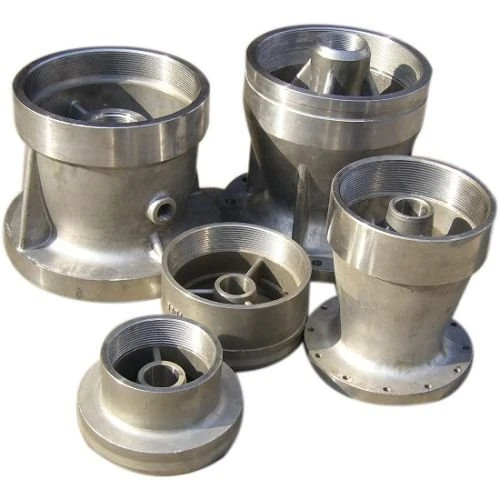
After you've removed the old shaft, you can clean the area where the new shaft will go. This helps ensure a good fit and reduces the risk of any debris causing problems. Then, you can install the new Pump Shaft. Make sure it's properly aligned and seated in place. Reinstall all the couplings, seals, and bearings, and then put the pump casing back on.
Finally, you'll need to refill the pump with fluid, reconnect it to the power source, and test it to make sure it's working properly. If there are any leaks or strange noises, you might need to go back and double - check your work.
Now, if you're in the market for Sea Water Pump Parts or Pump Shaft, we've got you covered. We offer a wide range of high - quality pump parts that are designed to fit a variety of pumps. Whether you're dealing with a small home pump or a large industrial one, we can help you find the right parts for your needs.
If you're not sure which part is right for your pump, or if you have any questions about the replacement process, don't hesitate to reach out. We have a team of experts who are happy to assist you. We can provide you with technical advice, help you find the right part, and even offer some tips on how to make the replacement process as smooth as possible.
In conclusion, while replacing a pump shaft can be easy in some cases, it can also be a complex and challenging task in others. It all depends on the type of pump, its condition, and the availability of replacement parts. But with the right parts and a bit of know - how, you can get your pump up and running again. So, if you're thinking about replacing a pump shaft, or if you just need some new pump parts, give us a shout. We're here to make your pump maintenance as hassle - free as possible.
References
- "Pump Handbook" by Igor J. Karassik et al.
- Various industry technical manuals and guides on pump maintenance and repair.