As a seasoned supplier in the cast iron casting industry, I've witnessed firsthand the challenges and opportunities that come with enhancing productivity. In this blog post, I'll share some practical strategies and insights that can help you boost the efficiency of your cast iron casting operations.
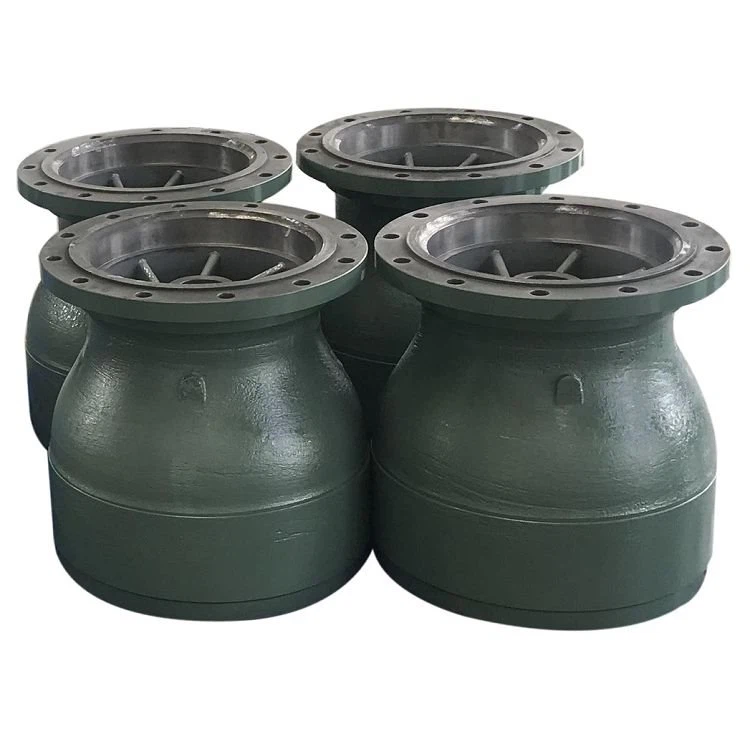
Optimize the Design Process
The first step in improving productivity is to start with a well-designed casting. A good design can minimize the number of defects, reduce machining time, and improve the overall quality of the final product. Here are some key considerations when designing a cast iron casting:
- Simplify the Geometry: Complex geometries can increase the risk of defects and make the casting process more difficult. Try to simplify the design as much as possible without sacrificing functionality.
- Use Appropriate Wall Thickness: The wall thickness of the casting should be uniform to ensure proper filling and solidification. Avoid sudden changes in wall thickness, as this can lead to shrinkage and porosity.
- Incorporate Draft Angles: Draft angles are essential for easy removal of the casting from the mold. Make sure to include sufficient draft angles on all vertical surfaces.
- Consider the Gating and Riser System: The gating and riser system is responsible for delivering molten metal to the mold cavity and feeding the solidifying casting. A well-designed gating and riser system can minimize the formation of defects and improve the yield of the casting.
Select the Right Materials
The choice of materials can have a significant impact on the productivity of the casting process. Here are some factors to consider when selecting materials for cast iron casting:
- Grade of Cast Iron: Different grades of cast iron have different properties, such as strength, hardness, and ductility. Choose the grade of cast iron that is best suited for your application.
- Alloying Elements: Alloying elements can be added to cast iron to improve its properties. For example, adding nickel and chromium can increase the corrosion resistance of cast iron.
- Quality of Raw Materials: The quality of the raw materials used in the casting process can affect the quality of the final product. Make sure to use high-quality raw materials to minimize the risk of defects.
Improve the Melting Process
The melting process is a critical step in the cast iron casting process. A well-controlled melting process can ensure the quality of the molten metal and improve the productivity of the casting process. Here are some tips for improving the melting process:
- Use a High-Quality Furnace: A high-quality furnace can provide better control over the melting process and ensure the quality of the molten metal. Choose a furnace that is suitable for your production requirements.
- Optimize the Melting Parameters: The melting parameters, such as temperature, time, and atmosphere, can affect the quality of the molten metal. Optimize these parameters to ensure the proper melting and refining of the cast iron.
- Use a Ladle Treatment: Ladle treatment is a process of adding alloying elements and inoculants to the molten metal in the ladle. This can improve the properties of the cast iron and reduce the risk of defects.
Enhance the Molding and Core Making Process
The molding and core making process is another critical step in the cast iron casting process. A well-designed molding and core making process can ensure the accuracy and quality of the casting. Here are some tips for enhancing the molding and core making process:
- Use a High-Quality Mold Material: The mold material should have good thermal conductivity, high strength, and low thermal expansion. Choose a mold material that is suitable for your casting requirements.
- Optimize the Molding Parameters: The molding parameters, such as compaction pressure, moisture content, and sand grain size, can affect the quality of the mold. Optimize these parameters to ensure the proper filling and solidification of the casting.
- Use a Core Making Process: Core making is a process of creating internal cavities in the casting. A well-designed core making process can ensure the accuracy and quality of the internal cavities.
Implement Quality Control Measures
Quality control is essential for ensuring the productivity and profitability of the cast iron casting process. By implementing quality control measures, you can detect and correct defects early in the process, reducing the cost of rework and scrap. Here are some quality control measures that you can implement:
- Inspect the Raw Materials: Inspect the raw materials before they are used in the casting process to ensure their quality.
- Monitor the Casting Process: Monitor the casting process to ensure that the parameters are within the specified range.
- Inspect the Castings: Inspect the castings after they are removed from the mold to detect any defects.
- Implement a Quality Management System: Implement a quality management system, such as ISO 9001, to ensure that the casting process is consistent and meets the required quality standards.
Invest in Automation and Technology
Investing in automation and technology can significantly improve the productivity of the cast iron casting process. Automation can reduce the labor cost, improve the quality of the castings, and increase the production capacity. Here are some examples of automation and technology that you can invest in:
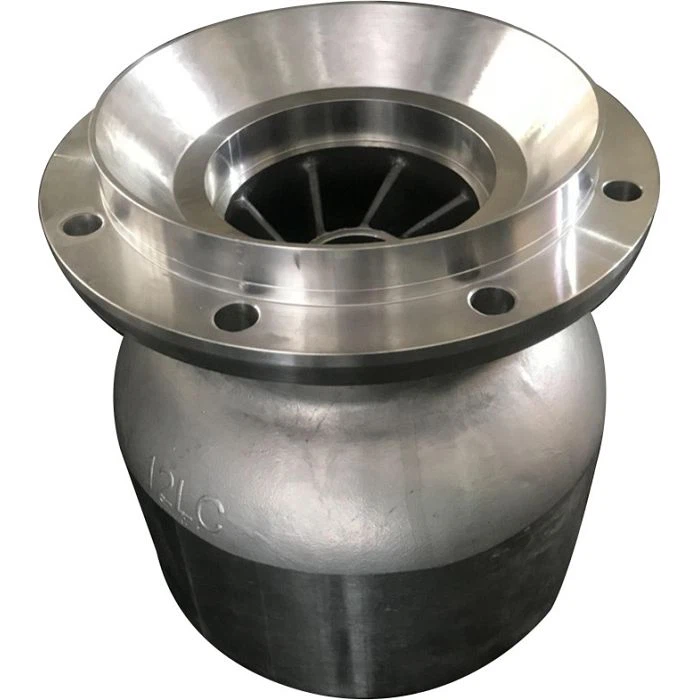
- Robotic Pouring Systems: Robotic pouring systems can accurately pour molten metal into the mold, reducing the risk of human error and improving the quality of the castings.
- Automated Molding Machines: Automated molding machines can produce molds and cores more efficiently and accurately than manual methods.
- Simulation Software: Simulation software can be used to optimize the casting process, reducing the number of trials and errors and improving the productivity of the casting process.
Train and Develop Your Workforce
Your workforce is one of the most important assets in your cast iron casting business. By training and developing your workforce, you can improve their skills and knowledge, increase their productivity, and reduce the risk of accidents and injuries. Here are some tips for training and developing your workforce:
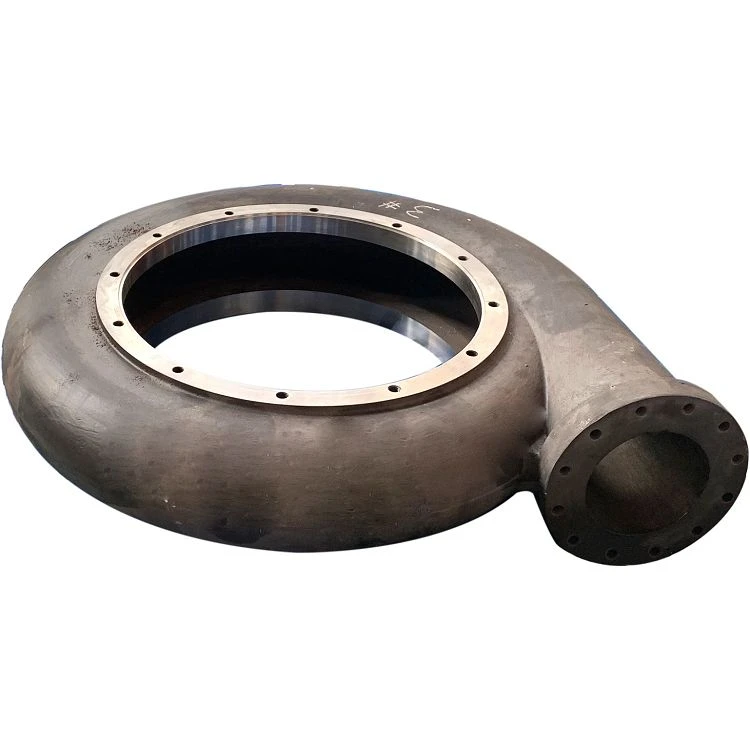
- Provide On-the-Job Training: Provide on-the-job training to your employees to teach them the skills and knowledge they need to perform their jobs effectively.
- Offer Continuing Education Opportunities: Offer continuing education opportunities to your employees to keep them up-to-date with the latest technologies and trends in the cast iron casting industry.
- Encourage Employee Feedback: Encourage your employees to provide feedback on the casting process and suggest improvements. This can help you identify areas for improvement and implement changes more effectively.
Conclusion
Improving the productivity of cast iron casting requires a comprehensive approach that addresses all aspects of the casting process, from design to quality control. By optimizing the design process, selecting the right materials, improving the melting process, enhancing the molding and core making process, implementing quality control measures, investing in automation and technology, and training and developing your workforce, you can significantly improve the efficiency and profitability of your cast iron casting operations.
If you're interested in learning more about how we can help you improve the productivity of your cast iron casting operations, or if you're looking for high-quality Ductile Iron Casting, Stainless Steel Pump Casting, or Wear Resistant Pump Parts, please don't hesitate to contact us for a purchase negotiation. We're committed to providing our customers with the best possible products and services.
References
- Campbell, J. (2003). Castings. Butterworth-Heinemann.
- Kalpakjian, S., & Schmid, S. R. (2013). Manufacturing Engineering and Technology. Pearson.
- Totten, G. E., & MacKenzie, D. S. (2003). Handbook of Aluminum and Aluminum Alloys: Processes, Applications, and Properties. CRC Press.