Hey there! As a supplier of pump suction components, I've spent a ton of time diving into the ins and outs of pumps. One question that comes up a lot is: What's the relationship between pump efficiency and suction performance? Let's break it down.
First off, let's talk about what pump efficiency actually means. Simply put, pump efficiency is a measure of how well a pump can convert the energy it consumes (usually electrical or mechanical) into useful work, which is moving fluid. A more efficient pump uses less energy to move the same amount of fluid compared to a less efficient one. This is super important because it directly impacts operating costs. The higher the efficiency, the less money you're spending on energy bills over the long run.
Now, suction performance is all about how well a pump can draw fluid into its inlet. Good suction performance means the pump can quickly and smoothly pull in the fluid without any issues like cavitation or air entrainment. Cavitation is a big problem. It happens when the pressure at the pump inlet drops too low, causing the fluid to vaporize and form bubbles. When these bubbles collapse, they can damage the pump impeller and other components, reducing the pump's lifespan and efficiency.
So, how are these two things related? Well, it turns out they're pretty intertwined.
Let's start with how suction performance affects pump efficiency. If a pump has poor suction performance, it can lead to a whole host of problems that eat away at efficiency. For example, as I mentioned earlier, cavitation can damage the impeller. A damaged impeller can't move fluid as effectively, which means the pump has to work harder to achieve the same flow rate. This extra work requires more energy, reducing the overall efficiency of the pump.
Air entrainment is another issue. When air gets into the pump along with the fluid, it can disrupt the flow and make the pump less efficient. The pump is designed to move fluid, not air, so having air in the system throws off its normal operation. It's like trying to push a car with a flat tire – it takes a lot more effort to get the same result.
On the flip side, good suction performance can boost pump efficiency. When a pump can easily draw in fluid without any problems, it can operate more smoothly and efficiently. The impeller can do its job properly, moving the fluid with less resistance. This means the pump doesn't have to use as much energy to achieve the desired flow rate, resulting in higher efficiency.
Now, let's look at some factors that can impact both suction performance and pump efficiency. One of the most important factors is the design of the pump suction. A well - designed pump suction can help ensure that fluid is drawn into the pump evenly and smoothly. For example, the shape and size of the suction inlet can affect how the fluid enters the pump. If the inlet is too small, it can create a bottleneck, reducing the flow rate and increasing the risk of cavitation.
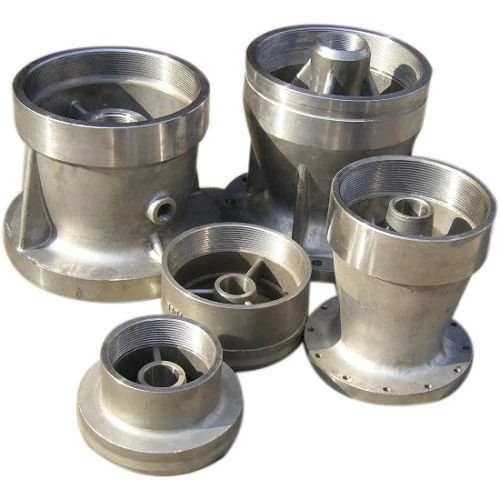
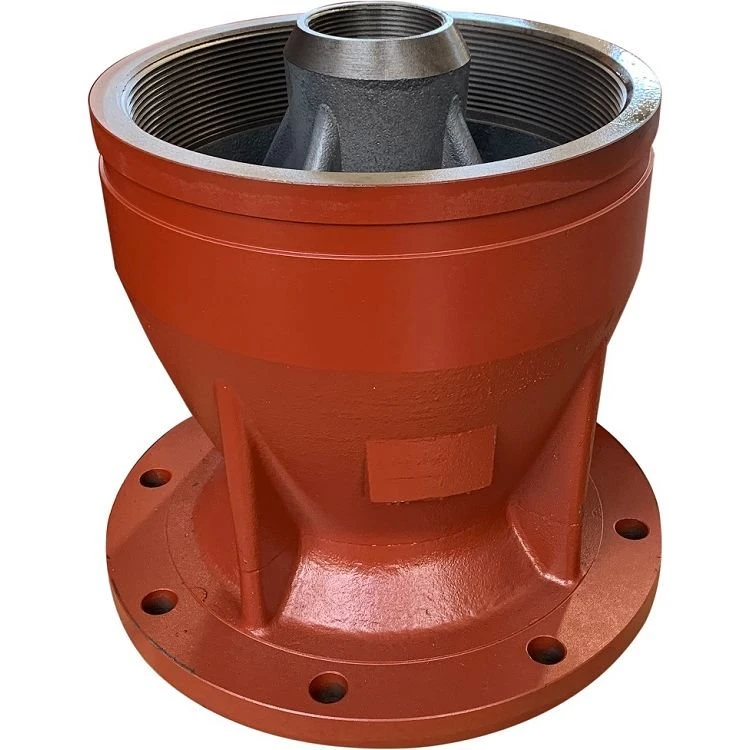
The material of the pump suction also plays a role. Cast Iron Pump Suction is a popular choice because it's strong and durable. It can withstand the pressure and wear and tear of pumping fluids. However, it may not be the best option for all applications. Stainless Steel Pump Suction, on the other hand, is resistant to corrosion, making it a great choice for pumping corrosive fluids. Using the right material for your specific application can help improve both suction performance and pump efficiency.
The fluid properties are also crucial. Viscosity, density, and temperature can all affect how easily a pump can draw in fluid. For example, a highly viscous fluid is more difficult to pump than a less viscous one. The pump has to work harder to move the thick fluid, which can reduce efficiency. Similarly, if the fluid temperature is too high, it can increase the risk of cavitation, as the fluid is more likely to vaporize at higher temperatures.
The installation of the pump is another key factor. If the pump is installed incorrectly, it can have a negative impact on both suction performance and efficiency. For example, if the pump is installed too far above the fluid source, it may not be able to draw in the fluid effectively, leading to poor suction performance and reduced efficiency.
So, as a pump suction supplier, what can we do to help improve pump efficiency and suction performance? Well, we offer a wide range of high - quality pump suction components. Our engineers can work with you to select the right pump suction design and material for your specific application. We can also provide advice on installation and maintenance to ensure that your pump operates at its best.
If you're looking to improve the efficiency and suction performance of your pumps, we're here to help. Whether you need a Cast Iron Pump Suction for a heavy - duty application or a Stainless Steel Pump Suction for a corrosive environment, we've got you covered. Get in touch with us to discuss your needs and let's work together to make your pumps more efficient and reliable.
In conclusion, the relationship between pump efficiency and suction performance is a complex but important one. By understanding how they're related and taking steps to improve both, you can save money on energy costs, extend the lifespan of your pumps, and ensure smooth operation. So, don't overlook the importance of good suction performance – it could make a big difference in the efficiency of your pumping system.
References
- Pump Handbook, Karassik et al.
- Fluid Mechanics and Machinery, R. K. Bansal