Hey there! As a supplier of Slurry Pumps, I've seen firsthand how cavitation can be a real pain in the neck for these pumps. Cavitation is basically the formation and collapse of vapor bubbles in the liquid flowing through the pump. When these bubbles collapse, they create shockwaves that can damage the pump's components over time, leading to reduced efficiency, increased maintenance costs, and even premature pump failure. But don't worry, I've got some tips on how to improve the cavitation resistance of a slurry pump.
Understanding Cavitation in Slurry Pumps
Before we dive into the solutions, let's quickly go over what causes cavitation in slurry pumps. There are a few key factors at play here. First off, the pressure drop within the pump can cause the liquid to vaporize. This often happens when the pump is operating at a high flow rate or when the suction conditions aren't ideal. For example, if the suction pipe is too small or there's a blockage in the suction line, it can lead to a significant pressure drop and increase the likelihood of cavitation.
Another factor is the nature of the slurry itself. Slurries typically contain solid particles, which can affect the flow characteristics of the liquid. These particles can cause turbulence and disrupt the smooth flow of the slurry, making it more prone to cavitation. Additionally, the temperature and viscosity of the slurry can also play a role. Higher temperatures can lower the vapor pressure of the liquid, making it easier for bubbles to form.
Tips to Improve Cavitation Resistance
1. Optimize Suction Conditions
One of the most effective ways to reduce cavitation is to ensure that the suction conditions are as good as possible. This means using the right size suction pipe. A pipe that's too small can restrict the flow of the slurry and cause a pressure drop, while a pipe that's too large can lead to inefficient flow. You should also make sure that the suction pipe is free from any blockages or obstructions. Regularly inspect the suction line and clean it if necessary.
Another important aspect of suction conditions is the NPSH (Net Positive Suction Head). NPSH is the difference between the pressure at the suction inlet of the pump and the vapor pressure of the liquid. To avoid cavitation, you need to ensure that the available NPSH (NPSHa) is greater than the required NPSH (NPSHr) of the pump. You can calculate the NPSHa based on the system's characteristics, such as the elevation of the liquid source, the friction losses in the suction pipe, and the vapor pressure of the slurry.
2. Select the Right Pump Design
Not all slurry pumps are created equal when it comes to cavitation resistance. When choosing a pump, look for designs that are specifically engineered to handle slurries and reduce the risk of cavitation. For example, some pumps have larger impeller eye diameters, which can improve the flow of the slurry into the pump and reduce the pressure drop. Others may have special impeller designs, such as open or semi - open impellers, which can better handle solid particles and reduce turbulence.
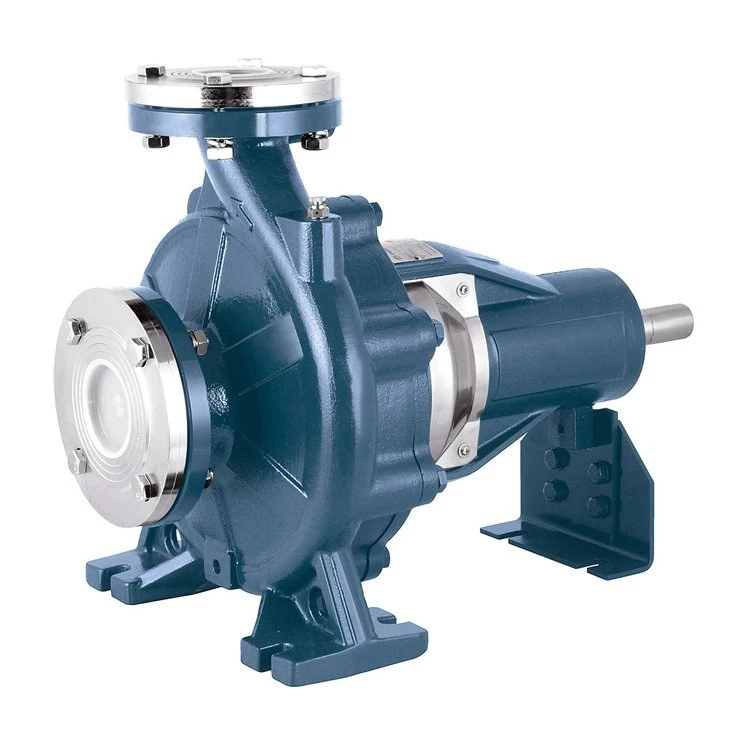
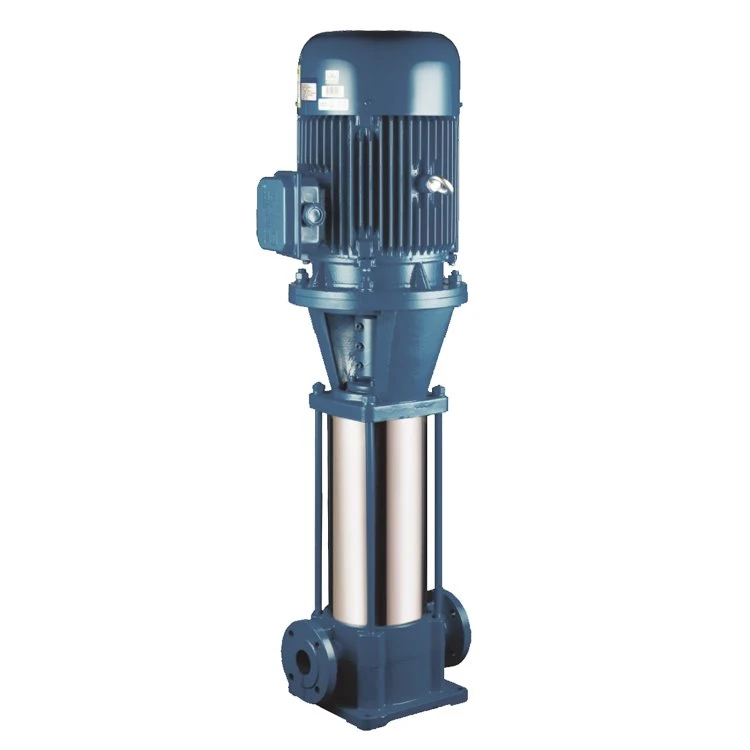
As a supplier, I can recommend different types of pumps depending on your specific needs. For instance, if you're looking for a pump that can handle high - pressure applications, you might consider a Vertical Multistage Pump. These pumps are designed to provide high - pressure output while maintaining good cavitation resistance. On the other hand, if you need a more compact and efficient pump for general slurry handling, an End Suction Centrifugal Pump could be a great option. And of course, our Slurry Pump range is specifically designed to handle the challenges of pumping slurries, including cavitation.
3. Use Appropriate Materials
The materials used in the construction of the pump can also have a significant impact on its cavitation resistance. For the parts that come into contact with the slurry, such as the impeller, volute, and wear plates, it's important to use materials that are resistant to erosion and corrosion. Hard metals like high - chrome alloys are commonly used in slurry pumps because they can withstand the abrasive action of the solid particles in the slurry.
Some advanced materials, such as ceramics, can also offer excellent cavitation resistance. Ceramics are extremely hard and have a smooth surface, which can reduce the formation of bubbles and the damage caused by their collapse. However, ceramics can be more brittle and expensive, so they may not be suitable for all applications.
4. Control the Pump Operating Conditions
Operating the pump within its recommended range is crucial for reducing cavitation. Avoid running the pump at extreme flow rates or pressures. If the pump is operating at a flow rate that's too high, it can cause a large pressure drop and increase the risk of cavitation. On the other hand, running the pump at a flow rate that's too low can lead to recirculation and unstable flow, which can also contribute to cavitation.
You can use flow control valves to adjust the flow rate of the pump and ensure that it's operating within the optimal range. Additionally, monitoring the pump's performance parameters, such as pressure, flow rate, and power consumption, can help you detect any signs of cavitation early on. If you notice any abnormal changes in these parameters, it could be a sign that the pump is experiencing cavitation, and you should take appropriate action.
5. Maintain the Pump Regularly
Regular maintenance is essential for keeping the pump in good condition and reducing the risk of cavitation. This includes inspecting the pump's components for wear and damage on a regular basis. Replace any worn - out parts, such as the impeller or wear plates, as soon as possible. A worn impeller can cause uneven flow and increase the likelihood of cavitation.
You should also clean the pump regularly to remove any built - up solids or debris. This can help maintain the smooth flow of the slurry through the pump and reduce the risk of blockages. Additionally, lubricate the pump's bearings and seals as recommended by the manufacturer to ensure proper operation.
Conclusion
Improving the cavitation resistance of a slurry pump is a multi - faceted process that involves optimizing suction conditions, selecting the right pump design, using appropriate materials, controlling the operating conditions, and maintaining the pump regularly. By following these tips, you can significantly reduce the risk of cavitation, extend the lifespan of your pump, and improve its overall efficiency.
If you're in the market for a slurry pump or need help improving the cavitation resistance of your existing pump, don't hesitate to reach out. We're here to provide you with the best solutions and support. Whether you have questions about our Vertical Multistage Pump, End Suction Centrifugal Pump, or Slurry Pump range, we're just a message away. Let's work together to find the perfect pump for your needs and ensure its long - term performance.
References
- Karassik, I. J., Messina, J. P., Cooper, P. T., & Heald, C. C. (2008). Pump Handbook. McGraw - Hill.
- Stepanoff, A. J. (1957). Centrifugal and Axial Flow Pumps: Theory, Design, and Application. Wiley.