Can a vertical in - line pump be used for pumping viscous fluids?
As a supplier of vertical in - line pumps, I often encounter questions from customers regarding the suitability of our pumps for various applications, especially when it comes to pumping viscous fluids. This blog post aims to delve into this topic and provide a comprehensive analysis of whether a vertical in - line pump can be used for pumping viscous fluids.
Understanding Viscous Fluids
Viscosity is a measure of a fluid's resistance to flow. Fluids with high viscosity, such as honey, syrup, and some oils, flow more slowly than low - viscosity fluids like water. The viscosity of a fluid can have a significant impact on the performance of a pump. When a pump is used to move a viscous fluid, it has to work harder to overcome the internal friction of the fluid. This increased resistance can lead to reduced flow rates, increased power consumption, and potential mechanical stress on the pump components.
Working Principle of Vertical In - Line Pumps
Vertical in - line pumps are a type of centrifugal pump. They are designed with the inlet and outlet ports in a straight line, which allows for easy installation in a piping system. The basic working principle of a centrifugal pump involves a rotating impeller that imparts kinetic energy to the fluid. As the impeller spins, it creates a low - pressure area at the center, causing the fluid to be drawn in through the inlet. The fluid then gains velocity as it moves along the impeller vanes and is discharged through the outlet at a higher pressure.
Challenges of Pumping Viscous Fluids with Vertical In - Line Pumps
- Reduced Flow Rate: The high viscosity of the fluid restricts its ability to flow freely through the pump. As the impeller rotates, it has to push against the thick fluid, which results in a lower flow rate compared to when pumping a low - viscosity fluid. The flow rate reduction can be significant, especially as the viscosity of the fluid increases.
- Increased Power Consumption: To overcome the increased resistance of the viscous fluid, the pump motor has to work harder. This leads to an increase in power consumption. In some cases, the power required to pump a viscous fluid can be several times higher than that for pumping water.
- Mechanical Stress: The additional force required to move the viscous fluid can put extra stress on the pump components, such as the impeller, shaft, and bearings. This can lead to premature wear and tear, and potentially, mechanical failure. The impeller may experience cavitation, a phenomenon where vapor bubbles form and collapse, causing damage to the impeller surface.
Factors Affecting the Suitability of Vertical In - Line Pumps for Viscous Fluids
- Viscosity Level: The degree of viscosity is a crucial factor. Generally, vertical in - line pumps are more suitable for fluids with relatively low to moderate viscosity. As a rule of thumb, if the fluid viscosity is below 1000 centipoise (cP), a vertical in - line pump may be able to handle it with some adjustments. However, for fluids with viscosities above 1000 cP, other types of pumps, such as positive displacement pumps, may be more appropriate.
- Pump Design: The design of the vertical in - line pump can also influence its ability to pump viscous fluids. Pumps with larger impeller diameters and wider flow passages can handle more viscous fluids better. Additionally, the material of the impeller and other components should be selected to withstand the increased stress and wear associated with pumping viscous fluids.
- Operating Conditions: The temperature and pressure of the fluid can affect its viscosity. For example, increasing the temperature of a viscous fluid can reduce its viscosity, making it easier to pump. The operating pressure also needs to be considered, as higher pressures can further increase the resistance of the viscous fluid.
When Vertical In - Line Pumps Can Be Used for Viscous Fluids
Despite the challenges, there are situations where vertical in - line pumps can be effectively used for pumping viscous fluids:
- Low - to - Moderate Viscosity Fluids: As mentioned earlier, if the fluid viscosity is relatively low (below 1000 cP), a vertical in - line pump can be a viable option. In such cases, the pump may need to be sized appropriately to account for the reduced flow rate and increased power requirements.
- Applications with Low Flow Requirements: If the application only requires a low flow rate of the viscous fluid, a vertical in - line pump can be used. For example, in some small - scale industrial processes where only a small amount of viscous fluid needs to be transferred at a time.
- Cost - Effective Solutions: In some cases, using a vertical in - line pump for pumping viscous fluids can be a cost - effective solution, especially when compared to the cost of purchasing and installing a more specialized pump.
Alternatives to Vertical In - Line Pumps for Viscous Fluids
If the viscosity of the fluid is too high for a vertical in - line pump, there are other types of pumps that may be more suitable:
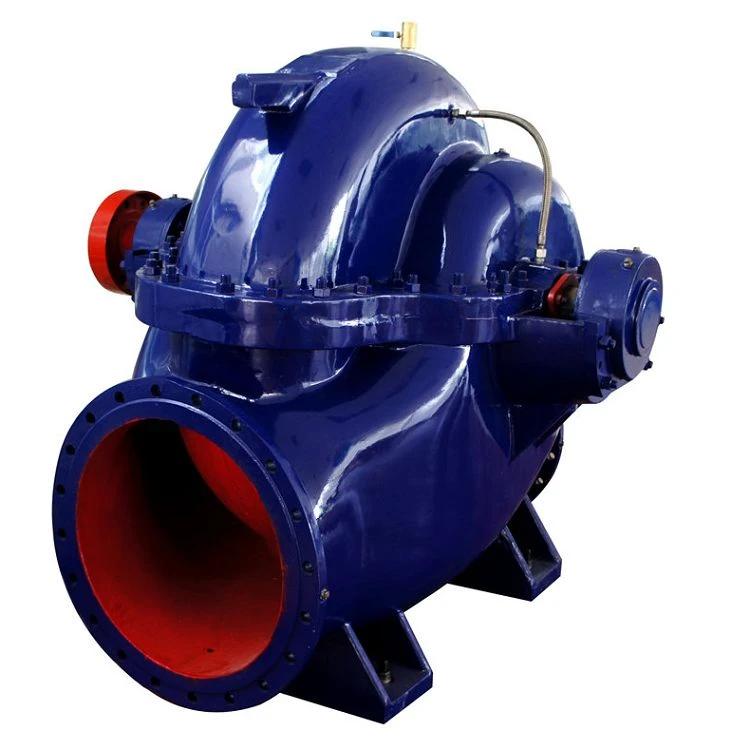
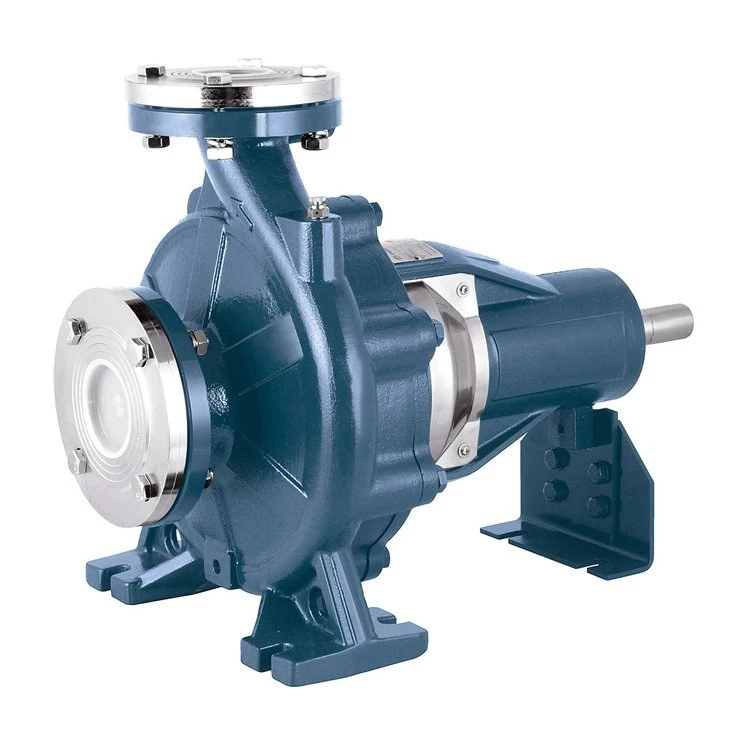
- Positive Displacement Pumps: These pumps work by trapping a fixed amount of fluid and then forcing it through the outlet. Positive displacement pumps, such as gear pumps and screw pumps, are better able to handle high - viscosity fluids as they can generate a high pressure without being affected by the fluid's resistance to flow. You can learn more about other types of pumps like the End Suction Centrifugal Pump, Vertical Multistage Pump, and Horizontal Split Casing Centrifugal Pump on our website.
- Progressive Cavity Pumps: These pumps use a helical rotor that rotates inside a stator to create a series of cavities that move the fluid along. Progressive cavity pumps are highly effective for pumping very viscous fluids, even those with viscosities in the tens of thousands of centipoise.
Conclusion
In conclusion, whether a vertical in - line pump can be used for pumping viscous fluids depends on several factors, including the viscosity of the fluid, the pump design, and the operating conditions. While there are challenges associated with pumping viscous fluids using vertical in - line pumps, they can be a suitable option for low - to - moderate viscosity fluids and applications with low flow requirements. However, for high - viscosity fluids, alternative pump types may be more appropriate.
If you are considering using a pump for pumping viscous fluids, we encourage you to contact us for a detailed consultation. Our team of experts can help you determine the most suitable pump for your specific application, taking into account all the relevant factors. We can provide you with the right pump solution and ensure that it meets your performance and cost requirements. Don't hesitate to reach out to us for more information and to start the procurement process.
References
- "Centrifugal Pump Handbook" by Igor J. Karassik et al.
- "Pump Application Engineering" by Heinz P. Bloch and Paul A. Kletz.
- Technical literature on pump performance and fluid dynamics from leading pump manufacturers.