Hey there! I'm a supplier of pump discharge components, and I've been in this industry for quite a while. Over the years, I've seen firsthand how crucial it is to optimize pump discharge for energy efficiency. Not only does it save money in the long run, but it's also better for the environment. So, in this blog post, I'm gonna share some tips and tricks on how you can achieve just that.
First off, let's talk about why energy efficiency matters when it comes to pump discharge. Pumps are one of the most energy-consuming devices in many industrial and commercial settings. By optimizing the pump discharge, you can reduce the amount of energy needed to operate the pump, which can lead to significant cost savings. Additionally, reducing energy consumption also helps to lower greenhouse gas emissions, making it a win-win situation for both your bottom line and the planet.
One of the first steps in optimizing pump discharge for energy efficiency is to choose the right pump for the job. There are many different types of pumps available on the market, each with its own unique characteristics and performance capabilities. When selecting a pump, it's important to consider factors such as the flow rate, head pressure, and the type of fluid being pumped. Choosing a pump that is properly sized and designed for your specific application can help to ensure that it operates efficiently and effectively.
Another important factor to consider is the pump's operating conditions. Pumps are designed to operate within a specific range of flow rates and head pressures. If the pump is operating outside of this range, it can lead to decreased efficiency and increased energy consumption. To ensure that the pump is operating within its optimal range, it's important to monitor the flow rate and head pressure regularly and make adjustments as needed.
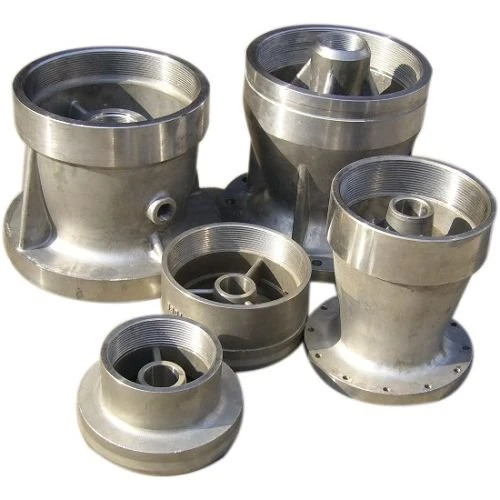
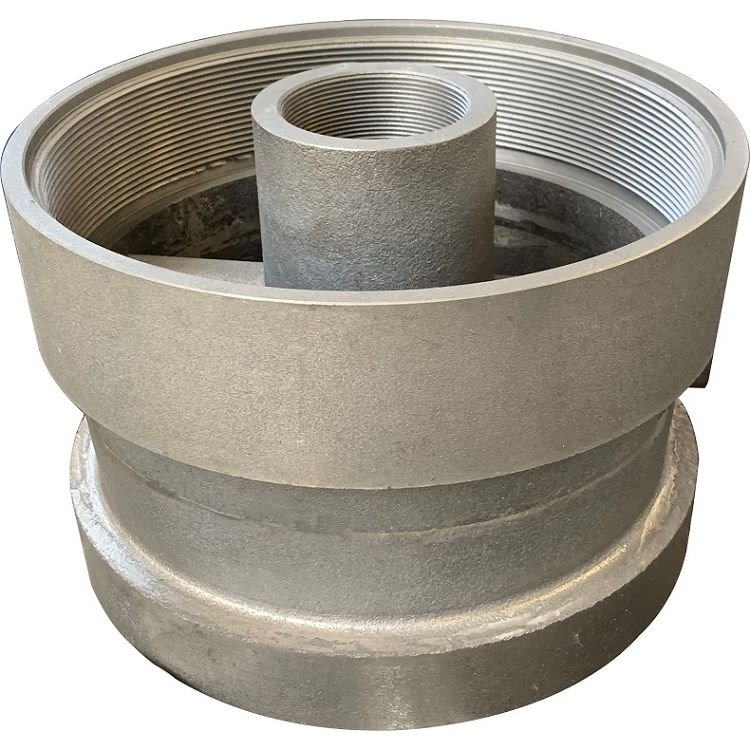
In addition to choosing the right pump and monitoring its operating conditions, there are several other ways to optimize pump discharge for energy efficiency. One of these is to use variable frequency drives (VFDs). VFDs allow you to control the speed of the pump motor, which can help to reduce energy consumption by adjusting the pump's output to match the actual demand. By using a VFD, you can also reduce wear and tear on the pump and extend its lifespan.
Another way to optimize pump discharge for energy efficiency is to use high-efficiency pump components. For example, using a Stainless Steel Pump Discharge or a Cast Iron Pump Discharge can help to reduce friction and improve the flow of fluid through the pump. Additionally, using high-quality seals and bearings can help to reduce leakage and improve the overall efficiency of the pump.
Proper maintenance is also crucial for optimizing pump discharge for energy efficiency. Regular maintenance, such as cleaning the pump, checking the alignment, and replacing worn parts, can help to ensure that the pump is operating at its best. By keeping the pump in good condition, you can also reduce the risk of breakdowns and costly repairs.
Finally, it's important to consider the overall system design when optimizing pump discharge for energy efficiency. The pump is just one component of a larger system, and the design of the entire system can have a significant impact on the pump's performance. For example, the layout of the piping, the size and type of valves, and the presence of any restrictions or obstructions can all affect the flow of fluid through the system and the pump's efficiency. By working with a qualified engineer or system designer, you can ensure that the entire system is designed to operate efficiently and effectively.
In conclusion, optimizing pump discharge for energy efficiency is an important goal for any business or organization that uses pumps. By choosing the right pump, monitoring its operating conditions, using high-efficiency components, performing regular maintenance, and considering the overall system design, you can reduce energy consumption, save money, and help to protect the environment. If you're interested in learning more about how we can help you optimize your pump discharge for energy efficiency, please don't hesitate to contact us. We'd be happy to discuss your specific needs and provide you with a customized solution.
References
- Pump Handbook, 4th Edition by Igor J. Karassik et al.
- Energy Efficiency in Pumping Systems by Europump.
- ASME PTC 8.2-2019, Performance Test Code on Pumps.