Hey there! As a supplier of Glass-Lined Bowl, I often get asked this question: Do glass-lined bowls discolor over time? Well, let's dig into this topic and find out the real deal.
First off, let's understand what a glass-lined bowl is. It's a bowl that has a layer of glass fused to a base material, usually metal. This glass lining gives the bowl a smooth, non-porous surface, which is great for things like chemical resistance and easy cleaning. But like any product, it has its quirks, and discoloration is one of the things people worry about.
There are a few factors that can cause glass-lined bowls to discolor. One of the main culprits is exposure to certain chemicals. Some strong acids, alkalis, or solvents can react with the glass lining. For example, if you're using the bowl in a laboratory setting and it comes into contact with concentrated hydrochloric acid over a long period, the acid might start to etch the glass surface. This etching can lead to a change in the appearance of the glass, making it look cloudy or discolored.
Another factor is heat. Glass-lined bowls are generally designed to withstand a certain range of temperatures. But if you subject them to extreme heat, say, by putting them in an oven that's way too hot for their recommended temperature limit, the glass can expand and contract unevenly. This can cause micro-cracks in the glass lining, and over time, these cracks can trap dirt and other substances, leading to discoloration.
Now, how does this compare to Stainless Steel Bowl? Stainless steel bowls are known for their durability and resistance to corrosion. They don't have a glass lining, so they're not prone to the same kind of chemical reactions that can cause discoloration in glass-lined bowls. However, stainless steel can still develop a patina or rust if it's exposed to harsh environments for a long time. But in general, the discoloration in stainless steel is more of a surface-level thing and can often be removed with proper cleaning.
So, does this mean glass-lined bowls are a bad choice? Not at all! In fact, when used within their recommended parameters, glass-lined bowls can last a long time without significant discoloration. Most glass-lined bowls are made with high-quality glass that has been tested for chemical and thermal resistance. And as long as you follow the manufacturer's instructions for use and cleaning, you can keep your glass-lined bowls looking great.
For example, if you're using a glass-lined bowl in a kitchen, avoid using abrasive cleaners that can scratch the glass surface. Instead, use a mild detergent and a soft sponge to clean it. And make sure to dry it thoroughly after washing to prevent water spots, which can also make the bowl look discolored.
In a laboratory or industrial setting, it's even more important to follow proper procedures. Before using the bowl with any chemicals, check to see if they're compatible with the glass lining. And always use the bowl at the appropriate temperature and pressure levels.
One thing to note is that some discoloration might be normal wear and tear. Just like a car gets a few scratches and dents over time, a glass-lined bowl might develop a bit of discoloration as it's used. But this doesn't necessarily mean the bowl is no longer usable. In fact, some people even consider a bit of patina on a glass-lined bowl to give it character.
Now, let's talk about how we, as a supplier, ensure the quality of our glass-lined bowls. We work with top-notch manufacturers who use the latest technology and high-quality materials. Our glass-lined bowls go through a rigorous quality control process before they leave the factory. We test them for chemical resistance, thermal stability, and mechanical strength to make sure they meet the highest standards.
And if you do end up with a glass-lined bowl that has discolored, don't panic. In many cases, the discoloration can be removed or at least reduced. There are special cleaning solutions available that are designed to clean glass-lined surfaces without damaging them. You can also try soaking the bowl in a solution of warm water and mild detergent for a few hours and then gently scrubbing it.
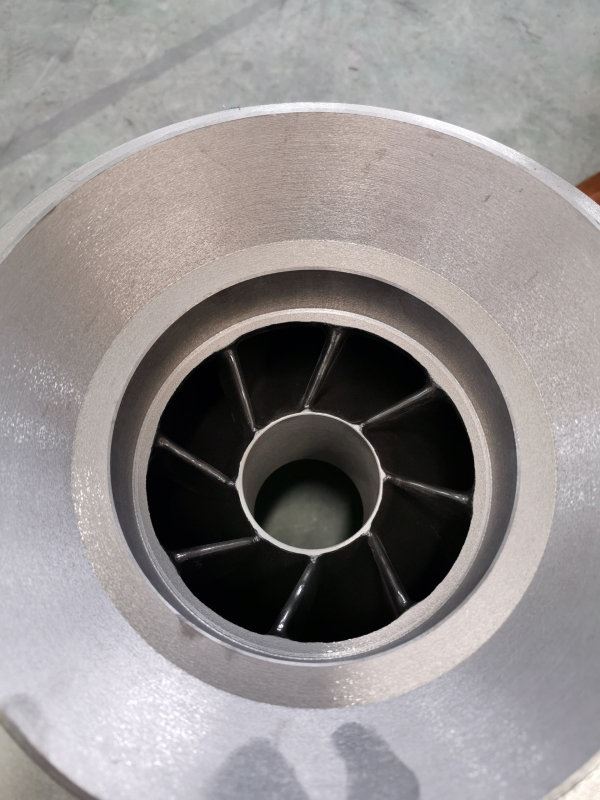

So, to sum it up, glass-lined bowls can discolor over time, but it's usually due to improper use or exposure to harsh conditions. By following the right procedures and taking good care of your glass-lined bowls, you can minimize the risk of discoloration and enjoy their benefits for a long time.
If you're in the market for high-quality glass-lined bowls, we're here to help. Whether you need them for your kitchen, laboratory, or industrial application, we have a wide range of options to choose from. Our team of experts can also provide you with advice on how to use and maintain your glass-lined bowls to keep them in top condition.
If you're interested in learning more about our products or have any questions, feel free to reach out. We'd love to have a chat with you and discuss your specific needs. Contact us today to start the conversation and see how we can help you with your glass-lined bowl requirements.
References:
- General knowledge of glass-lined products and their properties
- Industry standards and guidelines for the use and care of glass-lined bowls