Hey there! As a supplier of Submersible Motors, I've been getting a lot of questions lately about the dynamic balance of these motors. So, I thought I'd take a moment to break it down and explain what it is, why it's important, and how it impacts the performance of our Submersible Motor.

What is Dynamic Balance?
Let's start with the basics. Dynamic balance is all about making sure that a rotating object, like a submersible motor, spins smoothly without any wobbling or vibration. When a motor is in operation, its rotor - the part that spins - is subjected to various forces. If these forces aren't evenly distributed around the axis of rotation, it can cause the motor to vibrate.
Think of it like a spinning top. If the top is perfectly balanced, it will spin smoothly and stay upright. But if there's a weight imbalance, say a little chunk of extra material on one side, the top will wobble and might even fall over. The same principle applies to submersible motors.
In a submersible motor, the rotor is usually made up of a shaft and a series of magnetic coils. During the manufacturing process, it's almost impossible to make these components perfectly balanced right off the bat. There could be slight variations in the density of the materials, or small errors in the machining process. These tiny differences can add up and cause an imbalance.
Why is Dynamic Balance Important?
Now, you might be wondering, "So what if the motor vibrates a little bit? Can't it still do its job?" Well, the truth is, excessive vibration can have some pretty serious consequences.
First of all, vibration can lead to increased wear and tear on the motor's components. The constant shaking can cause the bearings - the parts that allow the rotor to spin smoothly - to wear out faster. Over time, this can lead to bearing failure, which means the motor will stop working and need to be repaired or replaced.
Secondly, vibration can also generate a lot of noise. If you've ever been around a noisy motor, you know how annoying it can be. In industrial settings, excessive noise can even be a safety hazard, as it can make it difficult for workers to communicate effectively.
Another important reason to ensure dynamic balance is energy efficiency. An unbalanced motor has to work harder to overcome the forces caused by the imbalance. This means it consumes more electricity, which can result in higher operating costs over time.
How is Dynamic Balance Achieved?
At our company, we take dynamic balance very seriously. We use a combination of advanced technology and skilled craftsmanship to ensure that our Submersible Motors are as balanced as possible.
The first step in the process is to measure the imbalance. We use specialized equipment called a balancing machine. This machine can detect even the slightest variations in the weight distribution of the rotor. It works by spinning the rotor at high speeds and measuring the forces acting on it. The machine then provides a detailed report of the imbalance, including the location and magnitude of the problem.
Once we know where the imbalance is, we can take steps to correct it. One common method is to add or remove small weights from the rotor. If there's too much weight on one side, we can remove a small amount of material from that area. If there's not enough weight, we can add a small weight to the opposite side.
We also perform multiple rounds of testing and adjustment to make sure that the balance is within the acceptable tolerance levels. This iterative process ensures that our motors are as smooth - running as possible.
Impact on Different Types of Submersible Pumps
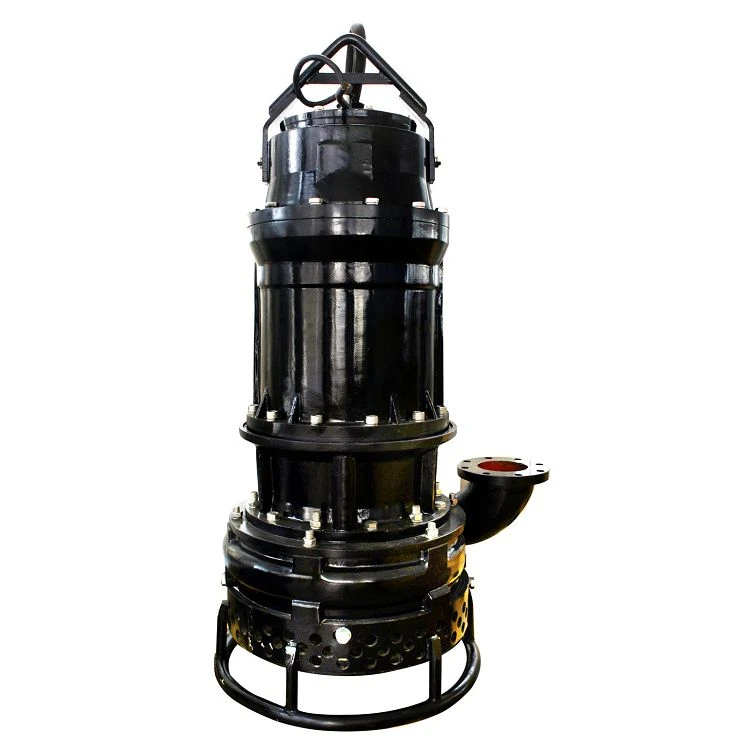
Our submersible motors are used in a variety of applications, including Submersible Slurry Pumps and Mine Flameproof Submersible Sand Pumps. The dynamic balance of the motor can have a significant impact on the performance of these pumps.
In a submersible slurry pump, which is used to pump abrasive materials like sand and gravel, a well - balanced motor is crucial. The abrasive nature of the slurry can cause additional stress on the pump's components. If the motor is unbalanced, the vibration can exacerbate this stress, leading to faster wear and tear on the impeller, casing, and other parts of the pump.
Similarly, in a mine flameproof submersible sand pump, which is used in potentially explosive environments, dynamic balance is essential for safety. Any excessive vibration could potentially cause a spark, which could be extremely dangerous in a mine setting. A balanced motor reduces the risk of such incidents and ensures reliable operation.
How We Ensure Quality in Our Submersible Motors
We have a strict quality control system in place to ensure that every submersible motor we produce meets the highest standards of dynamic balance. Our manufacturing process is highly automated, which helps to minimize human error. However, we also have a team of experienced technicians who oversee every step of the process.
Before a motor leaves our factory, it undergoes a series of rigorous tests. In addition to the dynamic balance test, we also test the motor's electrical performance, insulation resistance, and temperature rise. Only motors that pass all of these tests are approved for sale.
We also offer after - sales support to our customers. If you have any questions or concerns about the dynamic balance of your submersible motor, our technical support team is always ready to help.
Conclusion
In conclusion, the dynamic balance of a submersible motor is a critical factor that affects its performance, reliability, and energy efficiency. At our company, we're committed to providing high - quality submersible motors that are perfectly balanced. Whether you're in the market for a Submersible Motor, a Submersible Slurry Pump, or a Mine Flameproof Submersible Sand Pump, we've got you covered.
If you're interested in learning more about our products or have any questions about dynamic balance, don't hesitate to reach out. We're always happy to have a chat and discuss how our submersible motors can meet your specific needs. Let's start a conversation and see how we can work together!
References
- "Rotating Machinery Vibration: From Analysis to Troubleshooting" by Thomas E. Beardsley
- "Pump Handbook" by Igor J. Karassik, Joseph P. Messina, Paul Cooper, and Charles C. Heald