Hey there! As a supplier of Vertical In-Line Pumps, I often get asked about the lifespan of these pumps. It's a crucial question, especially for those looking to invest in a reliable pumping solution. So, let's dive right in and explore what affects the lifespan of a vertical in-line pump and how you can make it last as long as possible.
Factors Affecting the Lifespan of a Vertical In-Line Pump
1. Quality of Manufacturing
The first and foremost factor is the quality of the pump itself. A well-manufactured vertical in-line pump made from high-quality materials is likely to have a longer lifespan. At our company, we take pride in using top-notch materials and state-of-the-art manufacturing processes to ensure the durability of our pumps. We source high-grade metals for the pump casing and impellers, which can withstand corrosion and wear over time.
2. Operating Conditions
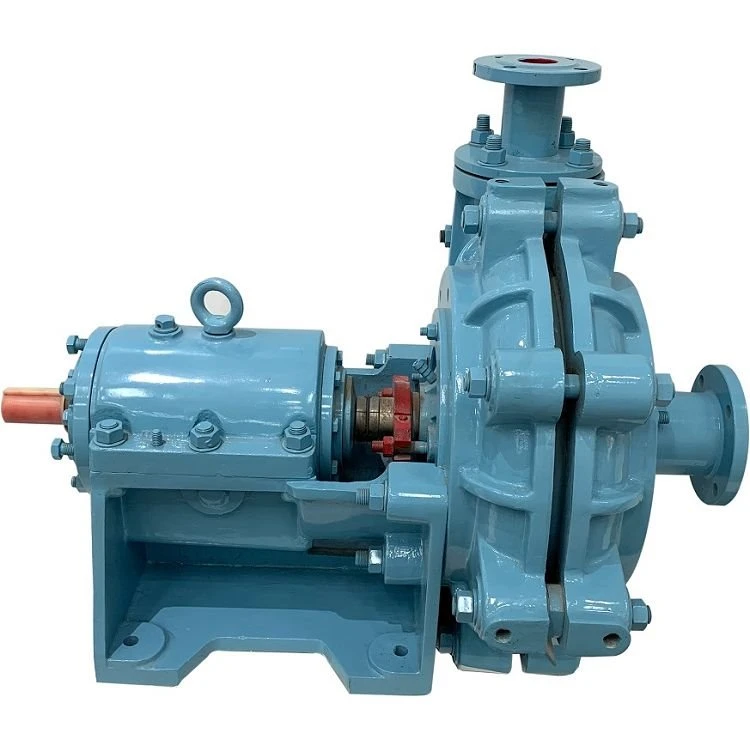
The environment in which the pump operates plays a significant role in its lifespan. If the pump is used in a harsh environment with high temperatures, abrasive fluids, or corrosive chemicals, it will face more stress and wear. For example, if you're using a vertical in-line pump to handle Slurry Pump, the abrasive particles in the slurry can cause rapid wear on the impeller and other internal components. On the other hand, if the pump is used in a clean, temperate environment with non-corrosive fluids, it will last much longer.
3. Maintenance and Care
Regular maintenance is key to extending the lifespan of a vertical in-line pump. This includes tasks such as checking the pump's alignment, lubricating the bearings, and inspecting the seals for leaks. Neglecting maintenance can lead to premature failure of the pump. For instance, if the bearings are not properly lubricated, they can overheat and seize, causing significant damage to the pump. We always recommend following the manufacturer's maintenance schedule and using genuine replacement parts to ensure the best performance and longevity of the pump.
4. Pump Design and Application
The design of the pump and its suitability for the specific application also impact its lifespan. A pump that is oversized or undersized for the job will experience more stress and may not operate efficiently. For example, if a small pump is used to handle a large volume of fluid, it will have to work harder, leading to increased wear and tear. It's important to choose the right pump for the application, taking into account factors such as flow rate, head, and the properties of the fluid being pumped.
Average Lifespan of a Vertical In-Line Pump
On average, a well-maintained vertical in-line pump can last anywhere from 10 to 20 years. However, this is just a rough estimate, and the actual lifespan can vary depending on the factors mentioned above. In some cases, with excellent operating conditions and regular maintenance, a pump can last even longer. Conversely, if the pump is subjected to harsh conditions and poor maintenance, it may fail within a few years.
Tips to Extend the Lifespan of Your Vertical In-Line Pump
1. Proper Installation
Ensure that the pump is installed correctly according to the manufacturer's instructions. Improper installation can lead to misalignment, vibration, and other issues that can shorten the pump's lifespan. Make sure the pump is mounted on a stable base and that all the connections are tight and leak-free.
2. Regular Inspections
Perform regular visual inspections of the pump to check for any signs of wear, damage, or leaks. Look for cracks in the pump casing, worn-out seals, and loose fittings. Early detection of problems can prevent them from escalating and causing more significant damage.
3. Monitor Operating Parameters
Keep an eye on the pump's operating parameters such as flow rate, pressure, and temperature. Any significant changes in these parameters can indicate a problem with the pump. For example, a sudden drop in flow rate may suggest a blockage in the piping or a worn impeller.
4. Use the Right Fluid
Make sure the fluid being pumped is compatible with the pump's materials. Using the wrong fluid can cause corrosion, erosion, and other damage to the pump. If you're unsure about the compatibility, consult the pump manufacturer or a fluid handling expert.
Comparing Vertical In-Line Pumps with Other Types of Pumps
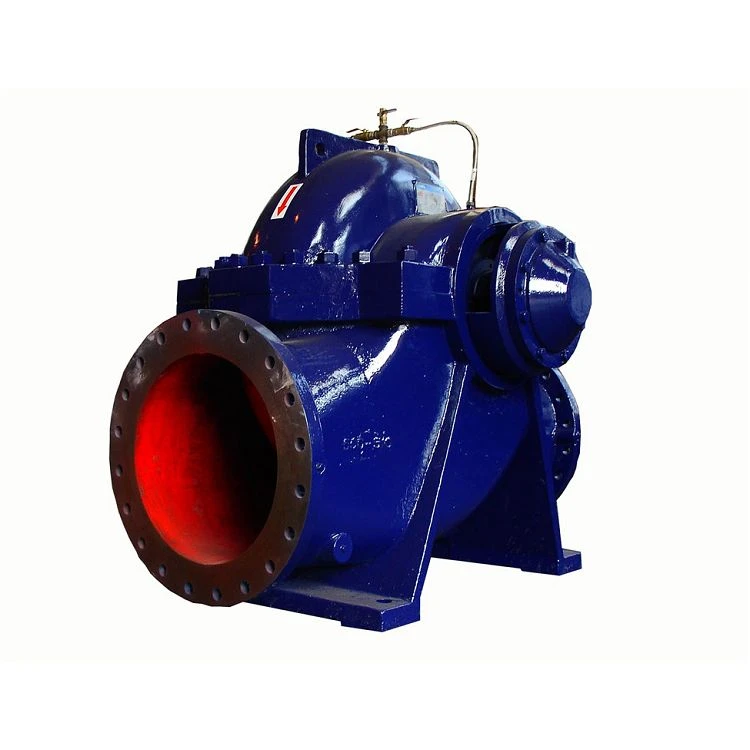
When considering a pumping solution, it's also important to compare vertical in-line pumps with other types of pumps, such as Single Stage Double-Suction Centrifugal Pump and Horizontal Split Casing Centrifugal Pump. Each type of pump has its own advantages and disadvantages in terms of lifespan, performance, and cost.
Vertical in-line pumps are known for their compact design, which makes them suitable for applications where space is limited. They also have a relatively simple installation process and can be easily integrated into existing piping systems. However, they may not be as suitable for high-flow or high-head applications as some other types of pumps.
Single stage double-suction centrifugal pumps, on the other hand, are designed for high-flow applications and can handle large volumes of fluid efficiently. They have a more robust construction and can withstand higher pressures. However, they are usually larger and more expensive than vertical in-line pumps.
Horizontal split casing centrifugal pumps are commonly used in industrial applications where high reliability and performance are required. They have a split casing design, which allows for easy access to the internal components for maintenance and repair. However, they also require more space for installation compared to vertical in-line pumps.
Conclusion
In conclusion, the lifespan of a vertical in-line pump depends on several factors, including the quality of manufacturing, operating conditions, maintenance, and pump design. By choosing a high-quality pump, providing proper maintenance, and operating it under suitable conditions, you can extend its lifespan and get the most out of your investment.
If you're in the market for a vertical in-line pump or have any questions about their lifespan or performance, don't hesitate to reach out to us. We're here to help you find the right pumping solution for your needs. Contact us today to start a conversation about your requirements and explore how our vertical in-line pumps can meet your expectations.
References
- "Pump Handbook" by Igor J. Karassik et al.
- Manufacturer's documentation for vertical in-line pumps.
- Industry standards and guidelines for pump operation and maintenance.