Hey there! I'm a supplier of pump impellers, and I've seen my fair share of misaligned pump impellers over the years. It's a common issue that can lead to all sorts of problems, from reduced efficiency to premature wear and tear. But don't worry, I'm here to walk you through how to correct a misaligned pump impeller.
Why is Pump Impeller Alignment Important?
Before we dive into the correction process, let's talk about why alignment is so crucial. A properly aligned pump impeller ensures that the pump operates at its peak efficiency. When the impeller is misaligned, it can cause uneven stress on the pump shaft, bearings, and other components. This not only reduces the pump's performance but also shortens its lifespan.
Think of it like a car's wheels. If the wheels are misaligned, the car will pull to one side, the tires will wear out faster, and it'll use more fuel. The same principle applies to pump impellers. Misalignment can lead to increased energy consumption, vibration, and noise, which are all signs that something's not right.
Signs of a Misaligned Pump Impeller
So, how do you know if your pump impeller is misaligned? Here are some common signs to look out for:
- Vibration: Excessive vibration is one of the most obvious signs of misalignment. You might feel the pump shaking or notice that nearby equipment is vibrating as well.
- Noise: A misaligned impeller can cause a lot of noise, such as rattling, grinding, or screeching. If you hear any unusual sounds coming from your pump, it's a good idea to check the alignment.
- Reduced Performance: If your pump isn't delivering the same flow rate or pressure as it used to, misalignment could be the culprit. A misaligned impeller can disrupt the flow of fluid through the pump, resulting in reduced efficiency.
- Premature Wear: Misalignment can cause uneven wear on the pump's bearings, seals, and other components. If you notice that these parts are wearing out faster than normal, it could be due to a misaligned impeller.
Tools You'll Need
Before you start correcting the misalignment, you'll need to gather a few tools. Here's what you'll need:
- Dial Indicators: These are used to measure the amount of misalignment between the pump and the motor.
- Shims: Shims are thin pieces of metal or plastic that are used to adjust the height and alignment of the pump.
- Wrenches: You'll need a set of wrenches to loosen and tighten the bolts that hold the pump and motor in place.
- Straightedge: A straightedge is used to check the alignment of the pump and motor shafts.
- Cleaning Supplies: You'll need to clean the pump and motor surfaces before you start the alignment process to ensure accurate measurements.
Step-by-Step Guide to Correcting a Misaligned Pump Impeller
Now that you have your tools ready, let's get started on correcting the misalignment. Here's a step-by-step guide:
Step 1: Prepare the Pump and Motor
- First, make sure the pump and motor are turned off and disconnected from the power source. This is important for your safety.
- Clean the surfaces of the pump and motor where the dial indicators will be mounted. Use a clean cloth and some solvent to remove any dirt, grease, or debris.
Step 2: Mount the Dial Indicators
- Mount the dial indicators on the pump and motor shafts. You'll need two dial indicators: one to measure the vertical alignment and one to measure the horizontal alignment.
- Make sure the dial indicators are securely mounted and that the probes are in contact with the shafts.
Step 3: Take Initial Measurements
- Rotate the pump and motor shafts together slowly and take readings from the dial indicators at several points around the circumference of the shafts.
- Record the readings for both the vertical and horizontal alignment. These readings will give you an idea of the amount and direction of the misalignment.
Step 4: Adjust the Alignment
- Based on the measurements you took, use shims to adjust the height and alignment of the pump. If the pump is too high or too low, add or remove shims under the pump feet until the vertical alignment is within the acceptable range.
- To adjust the horizontal alignment, loosen the bolts that hold the pump and motor in place and move the pump slightly until the horizontal alignment is correct. Then, tighten the bolts securely.
Step 5: Recheck the Alignment
- After making the adjustments, rotate the shafts again and take new readings from the dial indicators. Make sure the alignment is within the acceptable range.
- If the alignment is still off, repeat steps 4 and 5 until the alignment is correct.
Step 6: Final Checks
- Once the alignment is correct, double-check all the bolts to make sure they are tightened properly.
- Clean up any tools and debris from the work area.
- Reconnect the pump and motor to the power source and turn them on. Listen for any unusual sounds or vibrations to make sure the pump is operating smoothly.
Types of Pump Impellers We Offer
At our company, we offer a wide range of pump impellers to meet your needs. Here are some of the types of impellers we have:
- Stainless Steel Pump Impeller: Stainless steel impellers are highly resistant to corrosion and are ideal for use in applications where the fluid being pumped is corrosive.
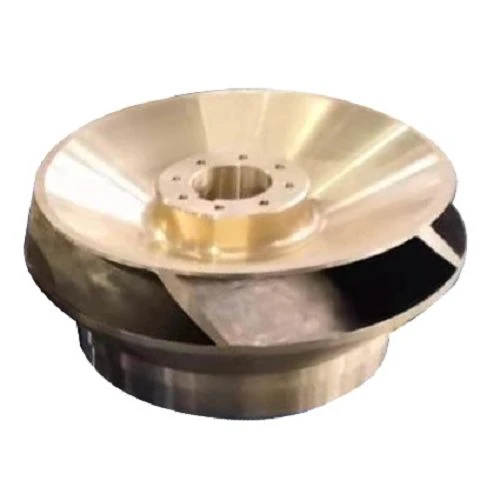
- Bronze Pump Impeller: Bronze impellers are known for their durability and resistance to wear. They are commonly used in applications where the pump needs to handle abrasive fluids.
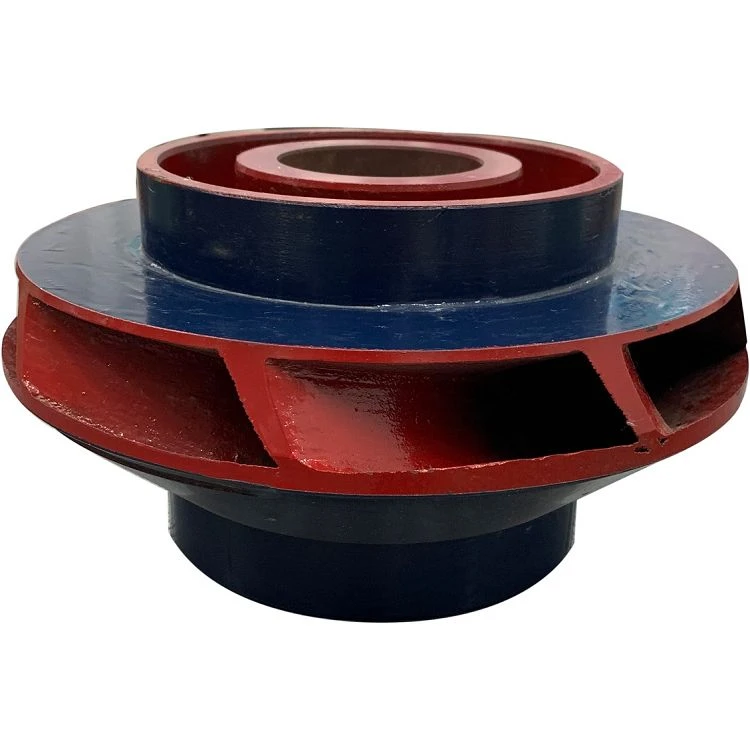
- Cast Iron Pump Impeller: Cast iron impellers are a cost-effective option for many applications. They are strong and can handle high pressures, but they are not as corrosion-resistant as stainless steel or bronze impellers.
Conclusion
Correcting a misaligned pump impeller is a relatively straightforward process, but it requires some patience and attention to detail. By following the steps outlined in this blog post, you can ensure that your pump operates at its peak efficiency and has a long lifespan.
If you're in the market for a new pump impeller or need help with pump alignment, don't hesitate to reach out. We're here to help you find the right solution for your needs. Whether you need a Stainless Steel Pump Impeller, a Bronze Pump Impeller, or a Cast Iron Pump Impeller, we've got you covered.
References
- "Pump Installation and Maintenance Guide," Pump Manufacturers Association.
- "Mechanical Alignment Best Practices," Machinery Lubrication Magazine.