Hey there! I'm a supplier of pump casting, and today I wanna chat about how to ensure the pressure - bearing capacity of pump casting. It's a crucial aspect, especially when you're dealing with pumps that are used in various industrial applications.
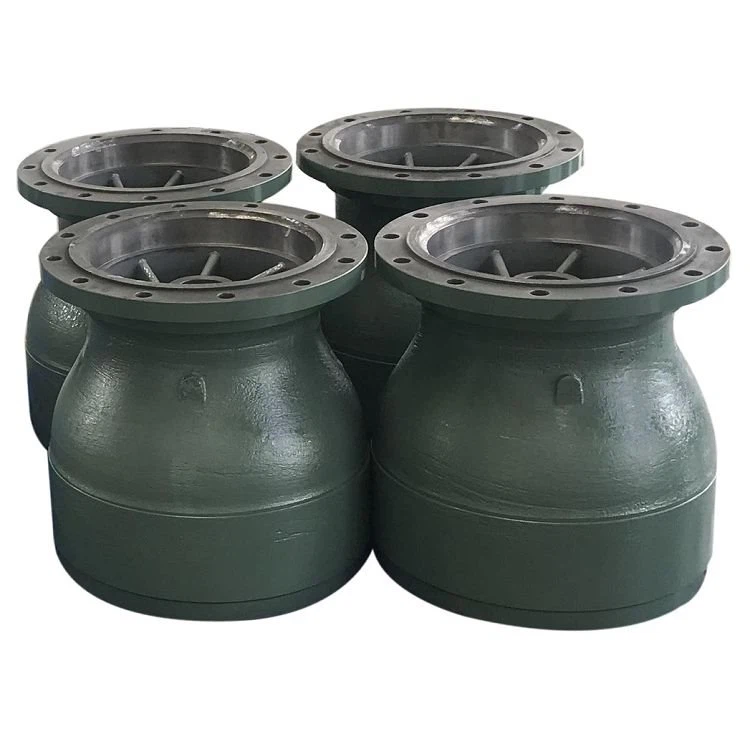
First off, let's talk about the materials. The choice of material has a huge impact on the pressure - bearing capacity of pump casting. For instance, Ductile Iron Casting is a popular option. Ductile iron has excellent mechanical properties, including high tensile strength and good ductility. This means it can withstand significant pressure without cracking or failing. It's also resistant to corrosion in many environments, which is a big plus for pump components that are often exposed to various fluids.
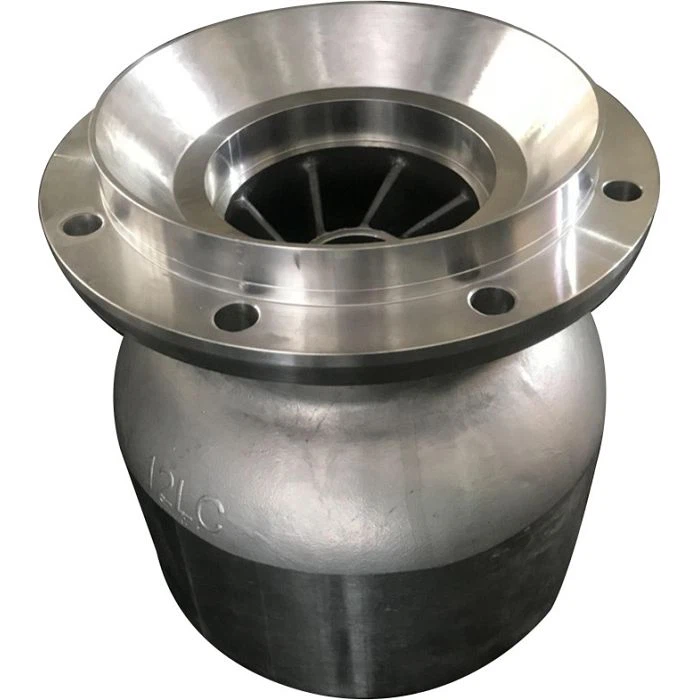
Another great option is Stainless Steel Pump Casting. Stainless steel is known for its corrosion resistance, which is essential when the pump is handling corrosive liquids. It also has high strength, allowing it to handle high - pressure situations. The chromium in stainless steel forms a passive oxide layer on the surface, protecting the metal from further corrosion. This makes stainless steel pump castings suitable for a wide range of industries, from chemical processing to food and beverage.
Now, the manufacturing process is equally important. The way we make the pump casting can either enhance or reduce its pressure - bearing capacity. One of the key steps is the casting process itself. We need to ensure that there are no voids, cracks, or other defects in the casting. Voids can act as stress concentrators, which can lead to premature failure under pressure. To achieve this, we use advanced casting techniques, such as precision casting. Precision casting allows us to create complex shapes with high accuracy and minimal defects.
Heat treatment is another crucial step. After casting, the pump components often go through heat treatment processes. This can improve the material's mechanical properties, such as hardness and strength. For example, quenching and tempering can increase the hardness of the material, making it more resistant to deformation under pressure. Annealing, on the other hand, can relieve internal stresses in the casting, which can also improve its pressure - bearing capacity.
Quality control is a non - negotiable part of ensuring the pressure - bearing capacity of pump casting. We have a comprehensive quality control system in place. This includes both non - destructive testing (NDT) and destructive testing. NDT methods, such as ultrasonic testing and X - ray testing, allow us to detect internal defects in the casting without damaging it. Ultrasonic testing uses high - frequency sound waves to detect flaws, while X - ray testing can provide detailed images of the internal structure of the casting.
Destructive testing, such as tensile testing and hardness testing, is also carried out on sample castings. Tensile testing measures the maximum stress a material can withstand before breaking, while hardness testing determines the material's resistance to indentation. By conducting these tests, we can ensure that the pump castings meet the required standards for pressure - bearing capacity.
Design also plays a vital role. A well - designed pump casting can distribute pressure evenly, reducing the risk of stress concentration. We use computer - aided design (CAD) software to optimize the design of the pump components. This allows us to analyze the stress distribution under different pressure conditions and make necessary adjustments to the design. For example, we can add ribs or thicken certain areas of the casting to improve its strength and pressure - bearing capacity.
Surface finish is often overlooked but can have a significant impact on the pressure - bearing capacity. A smooth surface finish reduces the risk of corrosion and wear. Wear Resistant Pump Parts are essential for pumps that handle abrasive fluids. A rough surface can cause turbulence in the fluid flow, which can increase the pressure on the pump components. By ensuring a smooth surface finish, we can improve the overall performance and pressure - bearing capacity of the pump casting.
In addition to these technical aspects, proper installation and maintenance are also important. If the pump casting is not installed correctly, it can be subjected to uneven stress, which can reduce its pressure - bearing capacity. During installation, we need to ensure that the pump is properly aligned and that all the connections are tight.
Regular maintenance is also crucial. This includes inspecting the pump casting for signs of wear, corrosion, or damage. If any issues are detected, they should be addressed promptly. For example, if there is a small crack in the casting, it can be repaired before it grows and causes a catastrophic failure.
To sum it up, ensuring the pressure - bearing capacity of pump casting requires a combination of the right materials, advanced manufacturing processes, strict quality control, proper design, and good installation and maintenance practices. As a pump casting supplier, we're committed to providing high - quality products that can meet the demands of our customers in various industries.
If you're in the market for pump casting and want to ensure that you get products with excellent pressure - bearing capacity, don't hesitate to reach out for a chat. We can discuss your specific requirements and provide you with the best solutions. Let's work together to make sure your pumps perform at their best under pressure!
References
- "Materials Science and Engineering: An Introduction" by William D. Callister Jr. and David G. Rethwisch
- "Casting, Forming & Welding" by P. N. Rao
- "Quality Control Handbook" by J. M. Juran and A. B. Godfrey