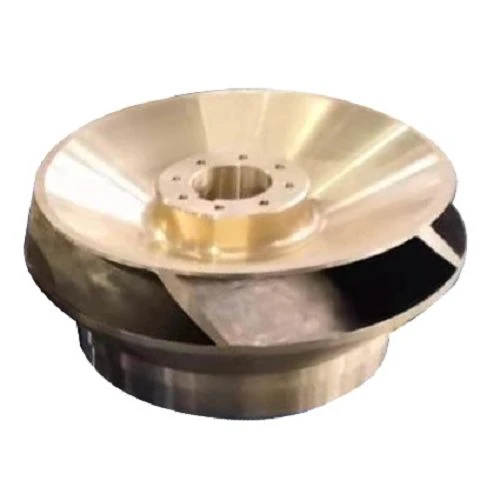
As a dedicated supplier of Bronze Pump Impellers, I've witnessed firsthand the intricate relationship between head pressure and the performance of these essential components. In this blog, I'll delve into how head pressure affects a bronze pump impeller, offering insights based on years of industry experience and technical knowledge.
Understanding Head Pressure
Before we explore the impact of head pressure on a bronze pump impeller, it's crucial to understand what head pressure is. Head pressure refers to the height or pressure that a pump can generate to move fluid. It's typically measured in feet or meters of fluid column. In practical terms, head pressure represents the energy required to lift a fluid from one level to another, overcome friction in pipes, and achieve the desired flow rate.
There are two main types of head pressure: static head and dynamic head. Static head is the vertical distance between the suction and discharge points of a pump, while dynamic head accounts for the additional pressure required to overcome friction losses in the piping system and any other resistance encountered by the fluid.
How Head Pressure Affects a Bronze Pump Impeller
1. Hydraulic Loading
One of the primary ways head pressure affects a bronze pump impeller is through hydraulic loading. As the head pressure increases, the impeller must work harder to generate the necessary pressure to move the fluid. This increased workload results in higher hydraulic forces acting on the impeller blades. Over time, these forces can cause wear and tear on the impeller, leading to reduced efficiency and performance.
High hydraulic loading can also cause cavitation, a phenomenon that occurs when the pressure in the fluid drops below its vapor pressure, causing bubbles to form. These bubbles collapse when they reach areas of higher pressure, creating shock waves that can damage the impeller surface. Cavitation can lead to pitting, erosion, and even structural failure of the impeller if left unchecked.
2. Efficiency
Head pressure has a significant impact on the efficiency of a bronze pump impeller. As the head pressure increases, the impeller's efficiency typically decreases. This is because the impeller must expend more energy to overcome the increased resistance and generate the required pressure. At high head pressures, the impeller may operate outside its optimal efficiency range, resulting in increased energy consumption and higher operating costs.
To maintain optimal efficiency, it's essential to select a bronze pump impeller that is designed to operate within the specific head pressure range of the application. Proper sizing and selection of the impeller can help ensure that the pump operates at its peak efficiency, reducing energy consumption and extending the lifespan of the impeller.
3. Structural Integrity
The structural integrity of a bronze pump impeller is also affected by head pressure. High head pressures can subject the impeller to significant mechanical stresses, which can lead to deformation, cracking, or even failure of the impeller. The design and material properties of the impeller play a crucial role in its ability to withstand these stresses.
Bronze is a popular material for pump impellers due to its excellent corrosion resistance, high strength, and good casting properties. However, the specific alloy composition and heat treatment of the bronze can significantly affect its mechanical properties and performance under high head pressures. For applications with high head pressures, it's important to select a bronze alloy that is specifically designed to withstand the anticipated stresses and operating conditions.
4. Wear and Tear
Head pressure can accelerate the wear and tear of a bronze pump impeller. The increased hydraulic forces and friction associated with high head pressures can cause the impeller blades to wear down over time. This can lead to a reduction in the impeller's diameter, which can further affect its performance and efficiency.
Regular inspection and maintenance of the impeller are essential to detect and address any signs of wear and tear. Depending on the severity of the wear, the impeller may need to be repaired or replaced to ensure continued reliable operation of the pump.
Selecting the Right Bronze Pump Impeller for High Head Pressure Applications
When selecting a bronze pump impeller for high head pressure applications, several factors need to be considered:
- Head Pressure Range: Determine the specific head pressure range of the application and select an impeller that is designed to operate within this range.
- Flow Rate: Consider the required flow rate of the application and select an impeller with the appropriate capacity to meet this demand.
- Material Selection: Choose a bronze alloy that is suitable for the specific operating conditions, including the fluid being pumped, the temperature, and the presence of any corrosive substances.
- Design and Geometry: Opt for an impeller design that is optimized for high head pressure applications, with features such as thicker blades and a robust structure to withstand the increased hydraulic forces.
Other Types of Pump Impellers
In addition to bronze pump impellers, there are other types of impellers available, each with its own advantages and disadvantages. For example, Cast Iron Pump Impeller are known for their durability and affordability, making them a popular choice for many industrial applications. However, they may not be suitable for applications where corrosion resistance is a concern.
Stainless Steel Pump Impeller offer excellent corrosion resistance and are often used in applications where the fluid being pumped is corrosive or contains abrasive particles. They are also more expensive than cast iron or bronze impellers.
As a supplier of Bronze Pump Impeller, I can provide expert advice on selecting the right impeller for your specific application, taking into account factors such as head pressure, flow rate, and material compatibility.
Conclusion
In conclusion, head pressure has a significant impact on the performance, efficiency, and lifespan of a bronze pump impeller. Understanding how head pressure affects the impeller is essential for selecting the right impeller for the application and ensuring its reliable operation. By considering factors such as hydraulic loading, efficiency, structural integrity, and wear and tear, you can make an informed decision when choosing a bronze pump impeller for high head pressure applications.
If you're in the market for a high-quality bronze pump impeller or need assistance with selecting the right impeller for your application, I invite you to reach out to me. I'm here to provide you with the expertise and support you need to make the best choice for your pumping system.
References
- "Pump Handbook" by Igor J. Karassik et al.
- "Centrifugal Pumps: Design and Application" by Heinz P. Bloch and Allan R. Budris.
- Industry standards and guidelines related to pump impeller design and performance.