As a seasoned pump casting supplier, I've witnessed the dynamic shifts in the industry over the years. New materials are revolutionizing the pump casting landscape, and their impact on the future is both profound and multi - faceted.
Current State of Pump Casting Materials
Traditionally, materials like cast iron have been the mainstay in pump casting. Cast iron offers good castability, which means it can be easily shaped into complex pump geometries. It also has decent mechanical properties, such as high compressive strength, which is essential for pumps that need to withstand high pressures. However, cast iron has its limitations. It is relatively brittle, making it prone to cracking under certain stress conditions. Moreover, it is not highly resistant to corrosion, especially in harsh chemical environments.
Another commonly used material is bronze. Bronze has better corrosion resistance compared to cast iron, which makes it suitable for applications in marine environments or for pumping corrosive fluids. But bronze is more expensive than cast iron, and its mechanical strength may not be sufficient for high - pressure applications.
The Emergence of New Materials
In recent years, new materials have emerged as game - changers in the pump casting industry. One of the most promising materials is Ductile Iron Casting. Ductile iron, also known as nodular cast iron, has graphite in the form of nodules rather than flakes as in traditional cast iron. This gives ductile iron superior ductility and toughness. It can withstand more stress without cracking, making it ideal for pumps that operate under high - pressure and high - impact conditions.
Ductile iron also offers good corrosion resistance, especially when properly treated with coatings. Its combination of mechanical properties and cost - effectiveness makes it an attractive option for a wide range of pump applications. For example, in water treatment plants, ductile iron pumps can handle the high - pressure flow of water while being resistant to the mild corrosive effects of treated water.
Stainless steel is another new material that is making waves in pump casting. Stainless Steel Pump Casting provides excellent corrosion resistance, which is crucial for pumps used in chemical processing, food and beverage industries, and marine applications. Stainless steel comes in different grades, each with its own set of properties. For instance, austenitic stainless steels like 304 and 316 are widely used due to their good formability and corrosion resistance.
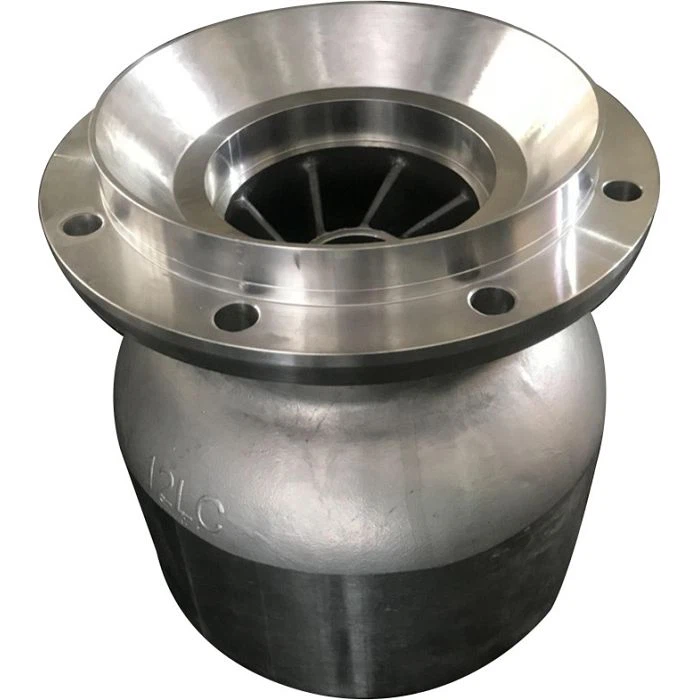
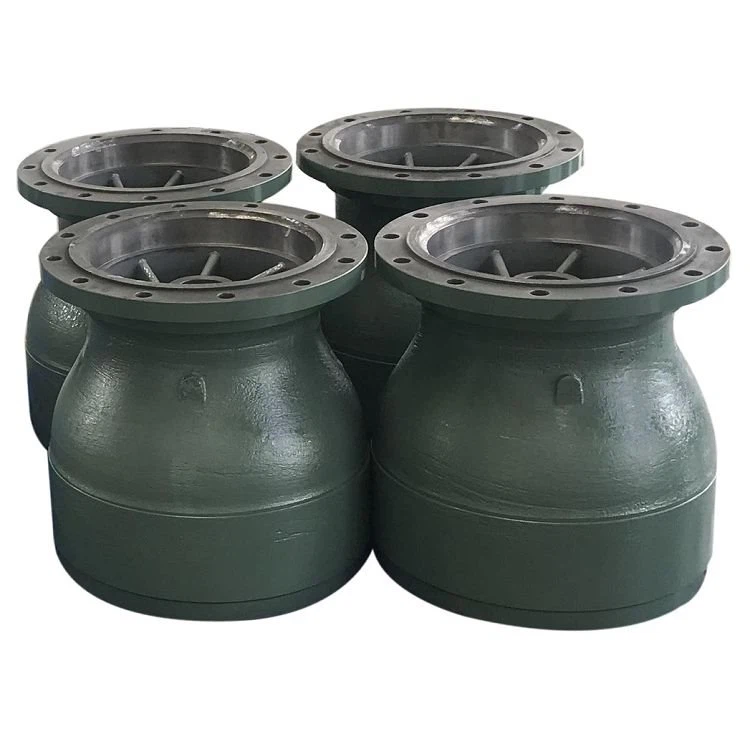
The high strength - to - weight ratio of stainless steel is also an advantage. Pumps made from stainless steel can be lighter than their counterparts made from traditional materials, which can reduce the overall weight of the pumping system and potentially lower energy consumption. Additionally, stainless steel has a smooth surface finish, which reduces friction and improves the efficiency of the pump.
Impact on Pump Performance
The use of new materials will significantly enhance pump performance in several ways. Firstly, in terms of durability, pumps made from new materials like ductile iron and stainless steel will have a longer service life. They can withstand more wear and tear, reducing the frequency of pump replacements. This is not only cost - effective for end - users but also more environmentally friendly as it reduces waste.
Secondly, new materials can improve the efficiency of pumps. For example, the smooth surface finish of stainless steel reduces the frictional losses within the pump, allowing it to operate more efficiently. This means that pumps can deliver the same amount of fluid with less energy input, resulting in lower operating costs.
In addition, the enhanced corrosion and wear resistance of new materials make pumps more reliable. In industries where downtime can be extremely costly, such as oil and gas or chemical processing, reliable pumps are essential. Pumps made from wear - resistant materials are less likely to fail due to corrosion or abrasion, ensuring continuous operation. Wear Resistant Pump Parts are becoming increasingly important in applications where the pumped fluid contains abrasive particles.
Impact on Design and Manufacturing
New materials will also have a significant impact on pump design and manufacturing. The improved mechanical properties of new materials allow for more innovative pump designs. For example, the high strength and ductility of ductile iron enable the design of thinner - walled pump components without sacrificing strength. This can lead to more compact and lightweight pump designs, which are easier to install and transport.
In terms of manufacturing, new materials may require different casting processes. For instance, stainless steel casting may involve more precise control of the melting and pouring processes due to its higher melting point and different fluidity characteristics compared to traditional materials. However, advancements in casting technology are making it possible to overcome these challenges.
The use of new materials may also lead to the development of hybrid pump designs. For example, a pump could have a ductile iron casing for strength and a stainless steel impeller for corrosion resistance. This combination of materials can optimize the performance of the pump for specific applications.
Challenges and Considerations
While new materials offer many advantages, there are also some challenges and considerations. One of the main challenges is the cost. New materials like stainless steel and some advanced alloys are generally more expensive than traditional materials. This can increase the initial cost of pump production, which may be a deterrent for some customers. However, it is important to consider the long - term cost savings in terms of reduced maintenance and longer service life.
Another challenge is the availability of new materials. Some advanced materials may be in limited supply, especially if they are made from rare or specialty elements. This can lead to supply chain disruptions and potential delays in pump production.
There are also technical challenges in working with new materials. For example, the heat treatment processes for some new alloys need to be carefully controlled to achieve the desired mechanical properties. Additionally, joining different materials in a hybrid pump design can be challenging due to differences in thermal expansion coefficients.
Future Outlook
The future of pump casting with new materials looks bright. As research and development continue, we can expect to see even more advanced materials being introduced. For example, composite materials that combine the best properties of different materials are being explored. These composites could offer a unique combination of strength, corrosion resistance, and light weight.
The demand for more energy - efficient and environmentally friendly pumps will also drive the adoption of new materials. Governments and industries around the world are increasingly focused on reducing energy consumption and carbon emissions. Pumps made from new materials that offer higher efficiency will be in high demand.
In addition, the trend towards smart pumps will also be influenced by new materials. Smart pumps require sensors and electronics to be integrated into the pump design. New materials that are compatible with these electronic components and can provide a stable operating environment will be essential.
Contact for Procurement
If you are interested in exploring the benefits of pump casting with new materials for your specific application, I invite you to reach out for a procurement discussion. Our team of experts can provide you with detailed information on the materials, designs, and cost - effectiveness of our pump casting solutions. We are committed to delivering high - quality pumps that meet your requirements and help you achieve your operational goals.
References
- ASM Handbook Committee. (2008). ASM Handbook Volume 15: Casting. ASM International.
- Incropera, F. P., DeWitt, D. P., Bergman, T. L., & Lavine, A. S. (2017). Fundamentals of Heat and Mass Transfer. John Wiley & Sons.
- Shigley, J. E., Mischke, C. R., & Budynas, R. G. (2004). Mechanical Engineering Design. McGraw - Hill.