Hey there! As a supplier of submersible pumps, I've seen firsthand how proper storage can make a huge difference in the lifespan and performance of these essential pieces of equipment. In this blog, I'll share some tips on how to store a submersible pump correctly, so you can keep it in top shape for years to come.
Why Proper Storage Matters
Before we dive into the storage tips, let's talk about why it's so important to store your submersible pump properly. Submersible pumps are designed to operate underwater, which means they're exposed to moisture, dirt, and other contaminants on a regular basis. If you don't store your pump correctly, these elements can cause corrosion, rust, and other damage that can shorten the pump's lifespan and reduce its efficiency.
Proper storage also helps to prevent damage during transportation and handling. If you're moving your pump from one location to another, it's important to make sure it's packed and stored correctly to avoid any bumps or jolts that could cause internal damage.
Preparing Your Pump for Storage
The first step in storing your submersible pump is to prepare it for storage. This involves cleaning the pump, draining any remaining water, and inspecting it for any signs of damage.
- Clean the Pump: Start by cleaning the pump thoroughly to remove any dirt, debris, or other contaminants. Use a soft brush and a mild detergent to clean the exterior of the pump, and be sure to rinse it off completely with clean water. Pay special attention to the intake and discharge ports, as these areas can easily become clogged with debris.
- Drain the Water: Once the pump is clean, drain any remaining water from the pump and the discharge hose. This will help to prevent rust and corrosion from forming inside the pump. To drain the water, simply remove the plug from the drain hole (if there is one) or tilt the pump to allow the water to drain out.
- Inspect the Pump: Before storing the pump, inspect it for any signs of damage, such as cracks, leaks, or worn parts. If you notice any damage, it's important to have it repaired before storing the pump. This will help to prevent further damage and ensure that the pump is in good working condition when you're ready to use it again.
Choosing the Right Storage Location
The next step in storing your submersible pump is to choose the right storage location. The ideal storage location should be dry, cool, and protected from the elements.
- Dry: Moisture is one of the biggest enemies of submersible pumps, so it's important to store your pump in a dry location. Avoid storing the pump in areas that are prone to flooding or high humidity, such as basements or crawl spaces.
- Cool: High temperatures can also damage submersible pumps, so it's important to store your pump in a cool location. Avoid storing the pump in areas that are exposed to direct sunlight or near heat sources, such as furnaces or water heaters.
- Protected: Finally, it's important to store your pump in a location that is protected from the elements. This will help to prevent damage from rain, snow, and other weather conditions. If possible, store the pump in a shed, garage, or other enclosed space.
Storing the Pump
Once you've chosen the right storage location, it's time to store the pump. Here are some tips on how to store your submersible pump correctly:
- Disconnect the Power: Before storing the pump, be sure to disconnect the power supply. This will help to prevent any electrical hazards and ensure that the pump is safe to handle.
- Store the Pump Upright: To prevent damage to the pump, it's important to store it upright. This will help to prevent any oil or other fluids from leaking out of the pump and causing damage to the internal components.
- Cover the Pump: To protect the pump from dust, dirt, and other contaminants, it's a good idea to cover it with a tarp or other protective cover. This will help to keep the pump clean and prevent any damage from occurring during storage.
- Store the Accessories: In addition to storing the pump, it's also important to store the accessories, such as the power cord, discharge hose, and float switch, in a safe and dry location. This will help to ensure that all of the components are in good working condition when you're ready to use the pump again.
Maintaining the Pump During Storage
Even if you store your submersible pump correctly, it's still important to maintain it during storage. This involves checking the pump periodically to make sure it's in good condition and performing any necessary maintenance tasks.
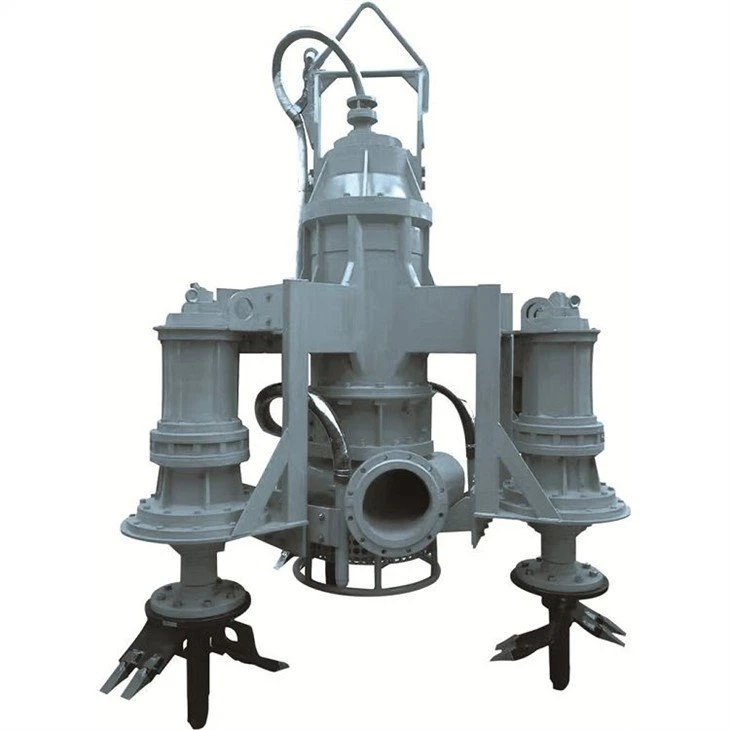

- Check the Pump Regularly: Check the pump periodically to make sure it's in good condition. Look for any signs of damage, such as rust, corrosion, or leaks, and have any issues repaired immediately.
- Lubricate the Moving Parts: If the pump has any moving parts, such as bearings or seals, it's important to lubricate them periodically to prevent them from drying out and becoming damaged. Use a high-quality lubricant that is recommended for use with submersible pumps.
- Charge the Battery (if applicable): If the pump is battery-powered, it's important to charge the battery periodically to prevent it from losing its charge. Follow the manufacturer's instructions for charging the battery, and be sure to use a charger that is recommended for use with the battery.
Conclusion
Proper storage is essential for keeping your submersible pump in good working condition and extending its lifespan. By following these tips, you can ensure that your pump is stored correctly and ready to use when you need it.
If you're in the market for a new submersible pump, be sure to check out our selection of Mine Flameproof Submersible Sand Pump, Submersible Slurry Pump, and Submersible Motor. We offer a wide range of high-quality pumps at competitive prices, and our team of experts is always available to help you choose the right pump for your needs.
If you have any questions or would like to learn more about our products, please don't hesitate to contact us. We'd be happy to help you with your purchase and answer any questions you may have.
References
- Manufacturer's manuals for submersible pumps
- Industry best practices for pump storage and maintenance