What is the maximum temperature a submersible pump can withstand?
As a seasoned supplier of submersible pumps, I've encountered numerous inquiries regarding the operational capabilities of these essential devices, with the question of maximum temperature tolerance being a particularly common one. Understanding the temperature limits of submersible pumps is crucial for ensuring their longevity, efficiency, and safe operation in various applications. In this blog post, I'll delve into the factors that influence a submersible pump's temperature resistance, explore the typical temperature ranges for different types of submersible pumps, and provide insights on how to manage temperature-related challenges.

Factors Affecting Temperature Tolerance
Several factors contribute to a submersible pump's ability to withstand high temperatures. One of the primary considerations is the type of motor used in the pump. Submersible Motor designs vary, and each has its own thermal characteristics. For instance, motors with high-quality insulation materials and efficient cooling systems are generally better equipped to handle elevated temperatures. The insulation class of the motor plays a significant role in determining its temperature resistance. Motors with higher insulation classes, such as Class H (180°C), can operate at higher temperatures compared to those with lower classes, like Class B (130°C).
The construction materials of the pump also impact its temperature tolerance. Pumps made from heat-resistant materials, such as certain types of plastics, ceramics, and stainless steel, can withstand higher temperatures without deforming or losing their structural integrity. Additionally, the design of the pump's housing and impeller can affect heat dissipation. Pumps with well-designed cooling channels and efficient flow paths can transfer heat away from critical components more effectively, reducing the risk of overheating.
The operating environment is another crucial factor. Submersible pumps are used in a wide range of applications, from residential water supply to industrial wastewater management. The temperature of the fluid being pumped, as well as the ambient temperature of the surrounding environment, can significantly influence the pump's temperature. For example, pumps used in hot springs or industrial processes involving high-temperature fluids will face more challenging thermal conditions compared to those used in normal groundwater applications.
Typical Temperature Ranges for Different Types of Submersible Pumps
The maximum temperature a submersible pump can withstand varies depending on its type and intended application. Here are some common types of submersible pumps and their typical temperature ranges:
- Residential Water Supply Pumps: These pumps are commonly used to supply water from wells or boreholes to homes. They are typically designed to operate in relatively moderate temperature conditions. Most residential submersible pumps can handle water temperatures up to around 40 - 50°C. Operating the pump at temperatures higher than this can cause premature wear and tear on the motor and other components, leading to reduced efficiency and a shorter lifespan.
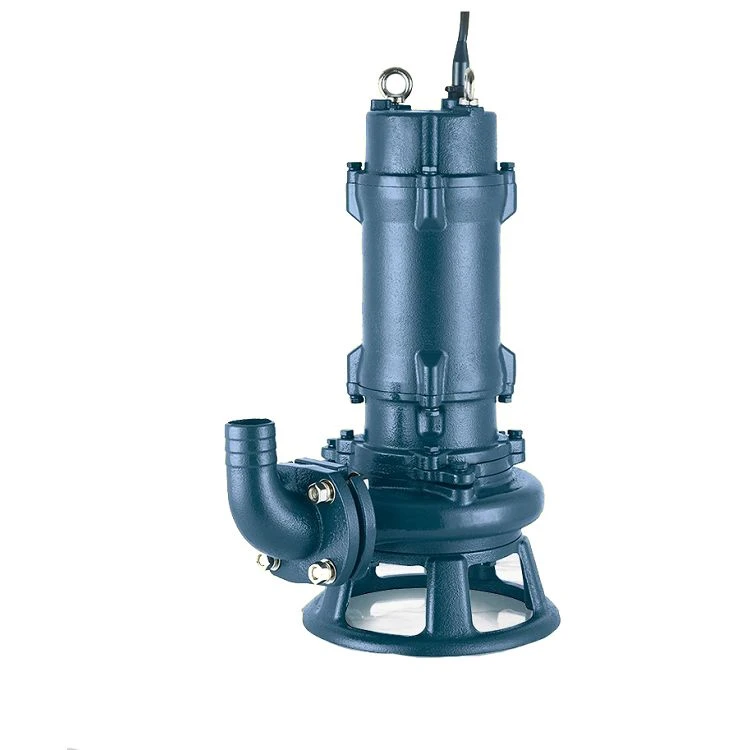
- Submersible Sewage Pump: Sewage pumps are used to transfer wastewater and sewage from residential, commercial, or industrial buildings. They are often exposed to a wider range of temperatures and contaminants. Depending on the design and construction, submersible sewage pumps can typically withstand temperatures between 40 - 60°C. However, some heavy-duty models may be able to handle higher temperatures, up to 80°C, if they are specifically designed for industrial applications with hot wastewater.
- Industrial Submersible Pumps: Industrial pumps are used in a variety of demanding applications, such as mining, chemical processing, and power generation. These pumps are designed to operate in harsh environments and can often withstand higher temperatures. For example, Mine Flameproof Submersible Sand Pump used in mining operations may need to handle abrasive slurries at elevated temperatures. Some industrial submersible pumps can tolerate temperatures up to 100°C or even higher, depending on their construction and the specific requirements of the application.
Managing Temperature-Related Challenges
To ensure the reliable operation of submersible pumps in high-temperature environments, it's essential to take appropriate measures to manage temperature-related challenges. Here are some tips:
- Proper Sizing and Selection: When choosing a submersible pump, it's crucial to select a model that is suitable for the expected temperature conditions of the application. Consider the temperature of the fluid being pumped, the ambient temperature, and any other factors that may affect the pump's temperature. Consult with a pump expert or refer to the manufacturer's specifications to ensure you choose the right pump for your needs.
- Cooling Systems: Some submersible pumps are equipped with built-in cooling systems, such as water jackets or oil-filled chambers, to help dissipate heat. These systems can significantly improve the pump's temperature tolerance and extend its lifespan. If your pump does not have a built-in cooling system, you may consider installing an external cooling device, such as a heat exchanger, to maintain the pump's temperature within a safe range.
- Regular Maintenance: Regular maintenance is essential for keeping submersible pumps in good working condition, especially in high-temperature environments. This includes checking the pump's motor, bearings, and seals for signs of wear and tear, and replacing any damaged components promptly. Additionally, make sure the pump's cooling system is clean and functioning properly to ensure efficient heat dissipation.
- Monitoring and Control: Install temperature sensors and monitoring devices to keep track of the pump's temperature during operation. This allows you to detect any potential overheating issues early and take appropriate action to prevent damage to the pump. Some advanced pump control systems can automatically adjust the pump's speed or shut it down if the temperature exceeds a safe limit.
Conclusion
In conclusion, the maximum temperature a submersible pump can withstand depends on several factors, including the type of motor, construction materials, and operating environment. By understanding these factors and taking appropriate measures to manage temperature-related challenges, you can ensure the reliable operation and longevity of your submersible pump.
If you're in the market for a submersible pump or have any questions about temperature tolerance or other aspects of pump performance, I encourage you to reach out to us. Our team of experts is here to help you select the right pump for your application and provide you with the support and guidance you need to ensure its successful operation. Contact us today to start the procurement process and discuss your specific requirements.
References
- Pump Handbook, Karassik, I. J., Messina, J. P., Cooper, P. T., & Heald, C. C. (2008).
- Submersible Pump Technical Manuals from Leading Manufacturers.