Choosing the right valves for a centrifugal pump system is a critical decision that can significantly impact the efficiency, reliability, and safety of the entire operation. As a centrifugal pump supplier, I understand the complexities involved in this process and am here to guide you through the key considerations to make an informed choice.
Understanding the Role of Valves in a Centrifugal Pump System
Valves play several essential roles in a centrifugal pump system. They control the flow rate, pressure, and direction of the fluid being pumped. By regulating these parameters, valves help to protect the pump from damage, ensure optimal performance, and maintain the integrity of the entire system.
For instance, a control valve can be used to adjust the flow rate according to the process requirements. This is particularly important in applications where the demand for the fluid varies over time. A check valve, on the other hand, prevents the backflow of the fluid, which can cause damage to the pump and other components.
Types of Valves Commonly Used in Centrifugal Pump Systems
There are several types of valves that are commonly used in centrifugal pump systems. Each type has its own unique features and applications, and the choice of valve depends on the specific requirements of the system.
Gate Valves
Gate valves are one of the most common types of valves used in centrifugal pump systems. They are designed to provide a full, unobstructed flow path when fully open, and a tight shut-off when fully closed. Gate valves are typically used in applications where a straight-line flow of fluid is required, and where the valve is either fully open or fully closed.
Globe Valves
Globe valves are another popular choice for centrifugal pump systems. They are designed to control the flow rate by varying the size of the opening between the valve seat and the disc. Globe valves are typically used in applications where precise flow control is required, such as in chemical processing plants and power generation facilities.
Ball Valves
Ball valves are known for their quick opening and closing action, as well as their ability to provide a tight shut-off. They consist of a ball with a hole in the center that rotates within the valve body to control the flow of fluid. Ball valves are typically used in applications where a high flow rate and a tight shut-off are required, such as in water treatment plants and oil and gas pipelines.
Check Valves
Check valves are designed to allow the fluid to flow in only one direction, preventing backflow. They are typically used in applications where the prevention of backflow is critical, such as in pump discharge lines and water supply systems. There are several types of check valves, including swing check valves, lift check valves, and wafer check valves.
Factors to Consider When Choosing Valves for a Centrifugal Pump System
When choosing valves for a centrifugal pump system, there are several factors that need to be considered. These factors include the type of fluid being pumped, the flow rate and pressure requirements of the system, the operating temperature and environment, and the compatibility of the valve materials with the fluid.
Type of Fluid
The type of fluid being pumped is one of the most important factors to consider when choosing valves for a centrifugal pump system. Different fluids have different properties, such as viscosity, corrosiveness, and abrasiveness, which can affect the performance and durability of the valves.
For example, if the fluid is highly corrosive, such as acid or alkali, then valves made of corrosion-resistant materials, such as stainless steel or plastic, should be used. If the fluid is abrasive, such as slurry, then valves with hard-facing materials or wear-resistant liners should be used.
Flow Rate and Pressure Requirements
The flow rate and pressure requirements of the system are also important factors to consider when choosing valves for a centrifugal pump system. The valve should be able to handle the maximum flow rate and pressure that the system is expected to operate at.
For example, if the system requires a high flow rate, then a valve with a large flow capacity, such as a gate valve or a ball valve, should be used. If the system requires a high pressure, then a valve with a high-pressure rating, such as a globe valve or a check valve, should be used.
Operating Temperature and Environment
The operating temperature and environment of the system can also affect the performance and durability of the valves. Valves should be able to withstand the maximum temperature and pressure that the system is expected to operate at, as well as any corrosive or abrasive conditions in the environment.
For example, if the system operates at a high temperature, then valves made of high-temperature materials, such as carbon steel or alloy steel, should be used. If the system operates in a corrosive environment, then valves with a corrosion-resistant coating or lining should be used.
Compatibility of Valve Materials with the Fluid
The compatibility of the valve materials with the fluid being pumped is also an important factor to consider when choosing valves for a centrifugal pump system. The valve materials should be able to withstand the chemical and physical properties of the fluid without being damaged or degraded.
For example, if the fluid is highly corrosive, then valves made of corrosion-resistant materials, such as stainless steel or plastic, should be used. If the fluid is abrasive, then valves with hard-facing materials or wear-resistant liners should be used.
Application-Specific Considerations
In addition to the general factors mentioned above, there are also some application-specific considerations that need to be taken into account when choosing valves for a centrifugal pump system. These considerations depend on the specific requirements of the application and the type of fluid being pumped.
Water Supply Systems
In water supply systems, valves are used to control the flow of water and to prevent backflow. Gate valves and ball valves are commonly used in water supply systems because they provide a full, unobstructed flow path and a tight shut-off. Check valves are also used to prevent backflow and to protect the pump from damage.
For example, in a municipal water supply system, gate valves are typically used at the main water supply lines to control the flow of water into the system. Ball valves are used at the individual water connections to control the flow of water to each building. Check valves are used at the pump discharge lines to prevent backflow and to protect the pump from damage.
Chemical Processing Plants
In chemical processing plants, valves are used to control the flow of chemicals and to prevent leaks and spills. Globe valves and diaphragm valves are commonly used in chemical processing plants because they provide precise flow control and a tight shut-off. Check valves are also used to prevent backflow and to protect the pump from damage.
For example, in a chemical processing plant that produces fertilizers, globe valves are typically used to control the flow of chemicals into the reaction vessels. Diaphragm valves are used to control the flow of chemicals in the piping system. Check valves are used at the pump discharge lines to prevent backflow and to protect the pump from damage.
Oil and Gas Pipelines
In oil and gas pipelines, valves are used to control the flow of oil and gas and to prevent leaks and spills. Ball valves and gate valves are commonly used in oil and gas pipelines because they provide a full, unobstructed flow path and a tight shut-off. Check valves are also used to prevent backflow and to protect the pump from damage.
For example, in an oil pipeline, ball valves are typically used at the pipeline junctions to control the flow of oil. Gate valves are used at the pipeline endpoints to control the flow of oil into the storage tanks. Check valves are used at the pump discharge lines to prevent backflow and to protect the pump from damage.
Our Centrifugal Pump Offerings and Valve Compatibility
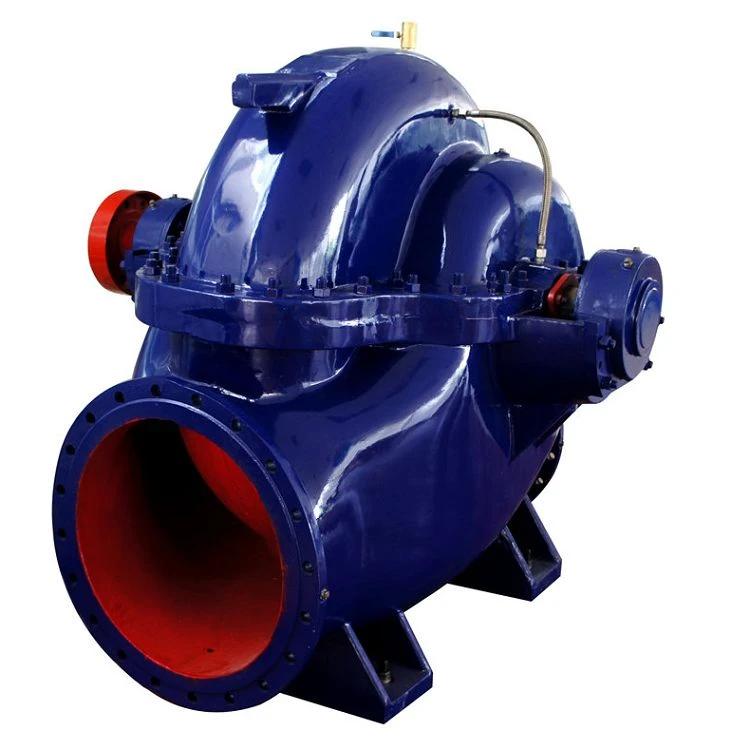
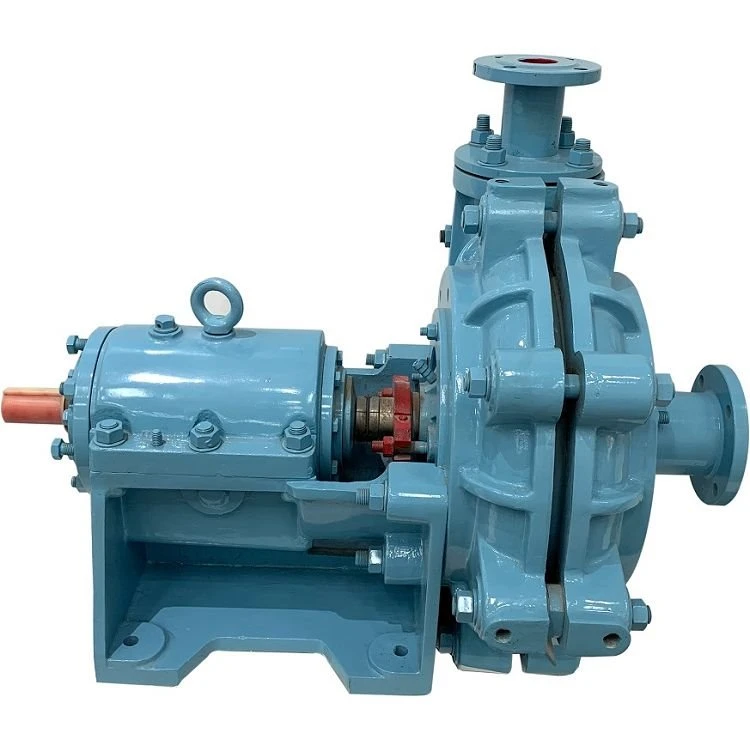
As a centrifugal pump supplier, we offer a wide range of centrifugal pumps, including Horizontal Split Casing Centrifugal Pump, Slurry Pump, and Vertical Multistage Pump. Our pumps are designed to meet the specific requirements of various applications, and we can help you choose the right valves to ensure optimal performance and reliability.
Our team of experts has extensive experience in the field of centrifugal pump systems and can provide you with professional advice and guidance on valve selection. We understand the importance of choosing the right valves for your centrifugal pump system, and we are committed to helping you make the best decision.
Conclusion
Choosing the right valves for a centrifugal pump system is a critical decision that requires careful consideration of several factors. By understanding the role of valves in the system, the types of valves available, and the factors to consider when choosing valves, you can make an informed decision that will ensure the efficiency, reliability, and safety of your entire operation.
If you are in the process of selecting valves for your centrifugal pump system, or if you have any questions or concerns, please do not hesitate to contact us. Our team of experts is here to help you choose the right valves for your specific requirements and to provide you with the support and assistance you need.
References
- ASME B16.34 - Valves - Flanged, Threaded, and Welding End.
- API 600 - Steel Gate, Globe, and Check Valves.
- API 602 - Compact Steel Gate, Globe, and Check Valves.
- API 608 - Ball Valves.
- API 609 - Butterfly Valves, Double Flanged, Lug - Type, and Wafer - Type.