Hey there! As a supplier of Cast Iron Casting, I often get asked about different aspects of the casting process. One question that pops up quite a bit is, "What is the riser in cast iron casting?" Well, let's dive right in and break it down.
The Basics of Risers in Cast Iron Casting
First off, a riser, also known as a feeder, is a crucial part of the cast iron casting process. When we pour molten cast iron into a mold to create a part, the metal starts to cool and solidify. And here's the thing: as the iron cools, it shrinks. If there's no way to compensate for this shrinkage, it can lead to some serious issues in the final casting, like porosity or shrinkage cavities. That's where the riser comes in.
Think of the riser as a reservoir of molten metal. It's connected to the main casting cavity in the mold. As the cast iron in the main cavity starts to solidify and shrink, the molten metal from the riser flows in to fill the gaps. This ensures that the casting gets enough metal to form a solid, defect - free part.
Types of Risers
There are different types of risers used in cast iron casting, and each has its own advantages and applications.
Open Risers
Open risers are the simplest type. They're basically a vertical column of molten metal that's open to the atmosphere at the top. These are easy to design and implement. The open top allows for easy visual inspection of the metal level during the casting process. If the metal in the riser starts to drop, it's a sign that the casting is taking in metal to compensate for shrinkage. However, open risers can be less efficient in terms of metal usage because a lot of the metal in the riser can solidify before it's fully utilized.
Blind Risers
Blind risers, on the other hand, are completely enclosed within the mold. They're connected to the casting cavity but don't have an opening to the outside. These are more efficient in terms of metal usage because there's less heat loss to the atmosphere. The metal in the blind riser stays molten for longer, which means more of it can be used to fill the shrinkage in the casting. But they're a bit trickier to design because it's harder to monitor the metal level inside.
Design Considerations for Risers
Designing the right riser for a cast iron casting is not a one - size - fits - all situation. There are several factors that we need to take into account.
Size and Shape
The size of the riser is crucial. It needs to be big enough to hold enough molten metal to compensate for the shrinkage of the casting. But if it's too big, it can waste a lot of metal and increase the cost of production. The shape also matters. A well - designed shape can ensure that the metal flows smoothly from the riser to the casting cavity. For example, a tapered riser can help with better metal flow.
Location
Where we place the riser on the mold is also important. It should be located in a way that allows the molten metal to flow easily into the areas of the casting that are most likely to experience shrinkage. This often means placing the riser near thick sections of the casting because thicker sections take longer to solidify and are more prone to shrinkage.
Solidification Time
We need to make sure that the riser solidifies after the casting. If the riser solidifies first, it won't be able to supply the molten metal to the casting when it's needed. This means we have to consider the cooling rates of both the casting and the riser. We can use things like insulation around the riser to slow down its solidification time.
Our Experience as a Cast Iron Casting Supplier
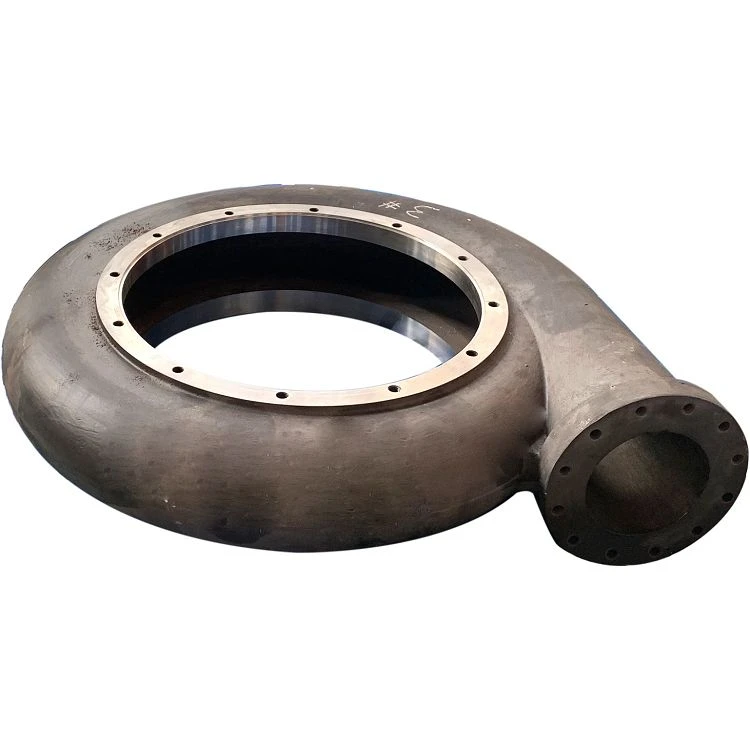
At our company, we've worked on all sorts of cast iron casting projects. We've seen firsthand how important a well - designed riser is for the quality of the final product. For example, when we were working on a project to create Wear Resistant Pump Parts, we had to pay extra attention to the riser design. These parts have complex shapes and thick sections in some areas, which made them more prone to shrinkage.
We used a combination of blind and open risers in the mold design. The blind risers were placed near the thick sections to ensure efficient metal supply, while the open risers allowed us to monitor the overall metal level in the mold. Through careful design and testing, we were able to produce high - quality Wear Resistant Pump Parts with minimal defects.
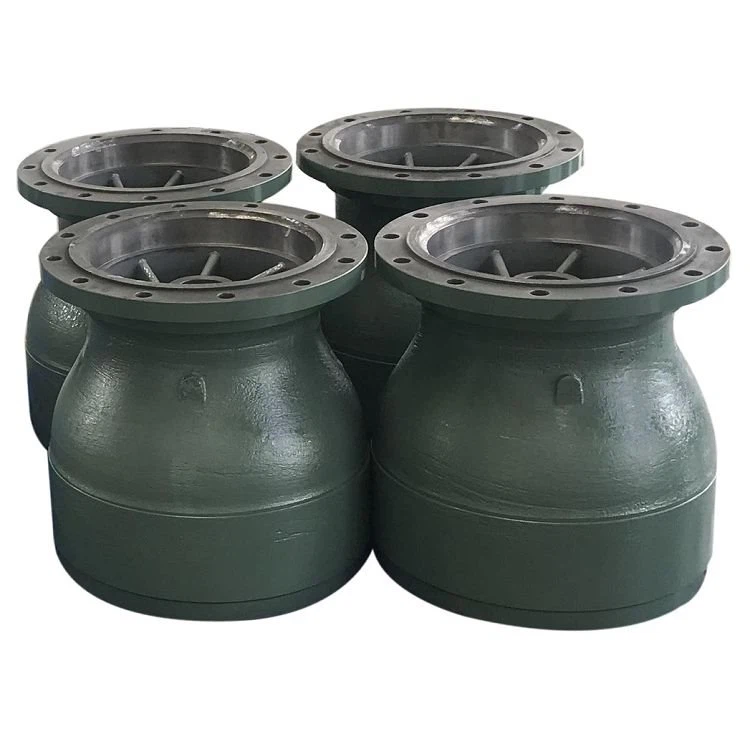
Another project involved Ductile Iron Casting. Ductile iron has different shrinkage characteristics compared to regular cast iron. So, we had to adjust our riser design accordingly. We used larger risers and added some insulation to slow down the solidification time. This helped us to achieve the desired quality in the Ductile Iron Casting parts.
Benefits of Proper Riser Design
When we get the riser design right, there are several benefits.
Improved Quality
The most obvious benefit is improved quality of the cast iron parts. By ensuring that there's enough metal to fill the shrinkage gaps, we can reduce the occurrence of porosity and shrinkage cavities. This means the parts are stronger and more reliable.
Cost Savings
Proper riser design can also lead to cost savings. We use less metal overall because we're not wasting it on oversized or inefficient risers. And since the parts have fewer defects, there's less need for rework or scrap, which saves both time and money.
Increased Productivity
With fewer defects and less rework, our production process becomes more efficient. We can produce more high - quality parts in less time, which is great for meeting our customers' demands.
Why Choose Our Cast Iron Casting Services
If you're in the market for Cast Iron Casting services, there are a few reasons why you should consider us.
We have years of experience in the industry. Our team of experts knows all about the ins and outs of cast iron casting, including riser design. We use the latest technology and techniques to ensure that we get the best results for our customers.
We're also committed to quality. We have strict quality control measures in place at every stage of the casting process. From the initial mold design to the final inspection of the parts, we make sure that everything meets the highest standards.
And we offer customized solutions. We understand that every customer's needs are different, so we work closely with you to design and produce the cast iron parts that are right for your application.
If you're interested in our Cast Iron Casting services or have any questions about risers or the casting process in general, don't hesitate to reach out. We're always happy to have a chat and see how we can help you with your project.
References
- "Foundry Technology" by J. Campbell
- "Cast Iron Technology" by R. M. Kennedy