Dealing with high-temperature fluids in pump suction is a critical challenge in many industrial applications. As a trusted Pump Suction supplier, we understand the intricacies involved in handling such demanding conditions. In this blog post, we will explore effective strategies and best practices to ensure the reliable operation of pumps when dealing with high-temperature fluids.
Understanding the Challenges of High-Temperature Fluids
High-temperature fluids present several challenges that can affect the performance and longevity of pump suction systems. One of the primary concerns is the potential for thermal expansion. As the temperature of the fluid increases, it expands, which can lead to increased pressure within the pump suction. This can cause mechanical stress on the pump components, leading to premature wear and failure.
Another challenge is the risk of vaporization. When the temperature of the fluid exceeds its vapor pressure, vapor bubbles can form within the pump suction. These bubbles can cause cavitation, a phenomenon where the bubbles collapse and create shock waves that can damage the pump impeller and other internal components. Cavitation can also lead to reduced pump efficiency, increased noise, and vibration.
In addition to thermal expansion and vaporization, high-temperature fluids can also have a corrosive effect on the pump materials. The increased temperature can accelerate chemical reactions, causing the fluid to become more aggressive and attack the pump surfaces. This can lead to corrosion, erosion, and pitting, which can compromise the integrity of the pump and reduce its performance.
Selecting the Right Pump Suction Materials
To effectively deal with high-temperature fluids, it is essential to select the right materials for the pump suction. The materials should have high thermal resistance, corrosion resistance, and mechanical strength to withstand the harsh conditions.
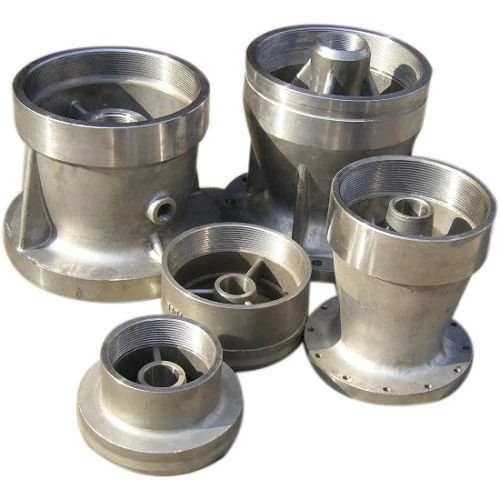
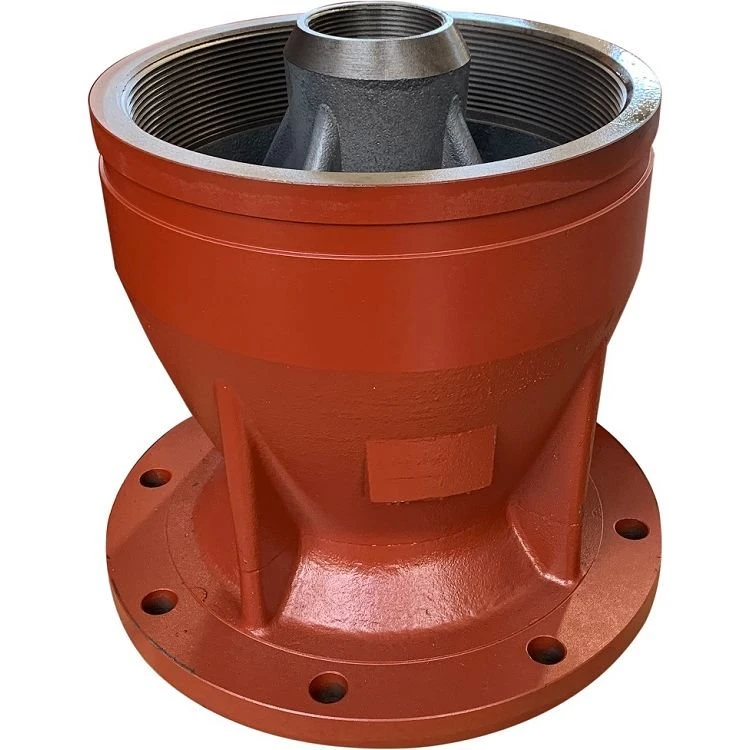
One of the most commonly used materials for pump suction in high-temperature applications is cast iron. Cast iron has excellent thermal conductivity and can withstand high temperatures without significant deformation. It is also relatively inexpensive and easy to machine, making it a popular choice for many industrial applications. You can find more information about Cast Iron Pump Suction on our website.
Another material that is well-suited for high-temperature applications is stainless steel. Stainless steel has excellent corrosion resistance and can withstand high temperatures without losing its mechanical properties. It is also more resistant to cavitation and erosion than cast iron, making it a preferred choice for applications where the fluid contains abrasive particles or is highly corrosive. For more details on Stainless Steel Pump Suction, visit our website.
In some cases, exotic materials such as titanium or nickel alloys may be required for extremely high-temperature applications. These materials have exceptional thermal resistance and corrosion resistance, but they are also more expensive and difficult to machine. The choice of material will depend on the specific requirements of the application, including the temperature, pressure, fluid composition, and flow rate.
Design Considerations for High-Temperature Pump Suction
In addition to selecting the right materials, the design of the pump suction also plays a crucial role in dealing with high-temperature fluids. The following design considerations can help to minimize the challenges associated with high-temperature operation:
- Proper Sizing: The pump suction should be properly sized to ensure adequate flow and minimize pressure drop. A larger suction pipe diameter can reduce the velocity of the fluid, which can help to prevent cavitation and reduce the risk of thermal stress.
- Insulation: Insulating the pump suction can help to reduce heat transfer from the fluid to the surrounding environment. This can help to maintain the temperature of the fluid within the desired range and reduce the risk of thermal expansion and vaporization.
- Expansion Joints: Expansion joints can be installed in the pump suction to accommodate thermal expansion and contraction. These joints allow the pipe to expand and contract without causing excessive stress on the pump components.
- Cooling Systems: In some cases, a cooling system may be required to maintain the temperature of the fluid within the pump suction. This can be achieved through the use of external coolers, heat exchangers, or by circulating a cooling fluid through the pump casing.
Maintenance and Monitoring
Regular maintenance and monitoring are essential to ensure the reliable operation of pump suction systems when dealing with high-temperature fluids. The following maintenance practices can help to extend the life of the pump and prevent costly breakdowns:
- Inspection: Regularly inspect the pump suction for signs of wear, corrosion, and damage. Check the seals, gaskets, and connections for leaks and replace any worn or damaged components.
- Lubrication: Ensure that the pump bearings and other moving parts are properly lubricated. Use a high-temperature lubricant that is compatible with the pump materials and the fluid being pumped.
- Temperature Monitoring: Install temperature sensors in the pump suction to monitor the temperature of the fluid. This can help to detect any abnormal temperature changes and take corrective action before it causes damage to the pump.
- Vibration Monitoring: Monitor the vibration levels of the pump to detect any signs of mechanical problems. Excessive vibration can indicate misalignment, imbalance, or other issues that need to be addressed.
Conclusion
Dealing with high-temperature fluids in pump suction requires careful consideration of the materials, design, and maintenance practices. As a Pump Suction supplier, we have the expertise and experience to provide you with the right solutions for your high-temperature applications. By selecting the appropriate materials, implementing proper design considerations, and following a regular maintenance schedule, you can ensure the reliable operation of your pump suction system and minimize the risk of downtime and costly repairs.
If you have any questions or need assistance in selecting the right Pump Suction for your high-temperature application, please do not hesitate to contact us. Our team of experts is ready to help you find the best solution for your specific needs.
References
- Perry, R. H., & Green, D. W. (Eds.). (2008). Perry's Chemical Engineers' Handbook. McGraw-Hill.
- Karassik, I. J., Messina, J. P., Cooper, P. T., & Heald, C. C. (Eds.). (2008). Pump Handbook. McGraw-Hill.
- Hydraulic Institute. (2010). ANSI/HI 9.6.1-2010 Rotodynamic Pumps - Guideline for NPSH Margin.