As a supplier of Pump Shafts, I've seen firsthand the importance of ensuring efficient power transmission through these crucial components. In this blog, I'll share some insights and tips on how to achieve just that.
Understanding the Basics of Pump Shaft Power Transmission
Before we dive into the nitty - gritty of ensuring efficiency, let's quickly go over what power transmission through a pump shaft actually means. A pump shaft is like the backbone of a pump system. It transfers the power from the motor to the impeller, which then moves the fluid. If the power transmission isn't efficient, the pump won't work at its best, leading to higher energy consumption, more wear and tear, and potentially costly breakdowns.
Selecting the Right Material
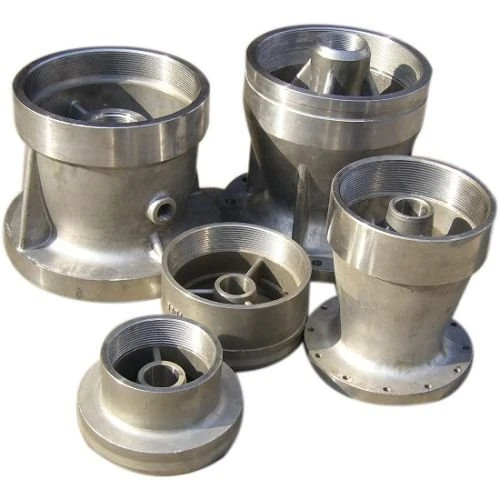
The material of the pump shaft plays a huge role in power transmission efficiency. You want a material that's strong enough to handle the torque and stresses involved but also has good corrosion resistance, especially if the pump is used in harsh environments like in Sea Water Pump Parts applications.
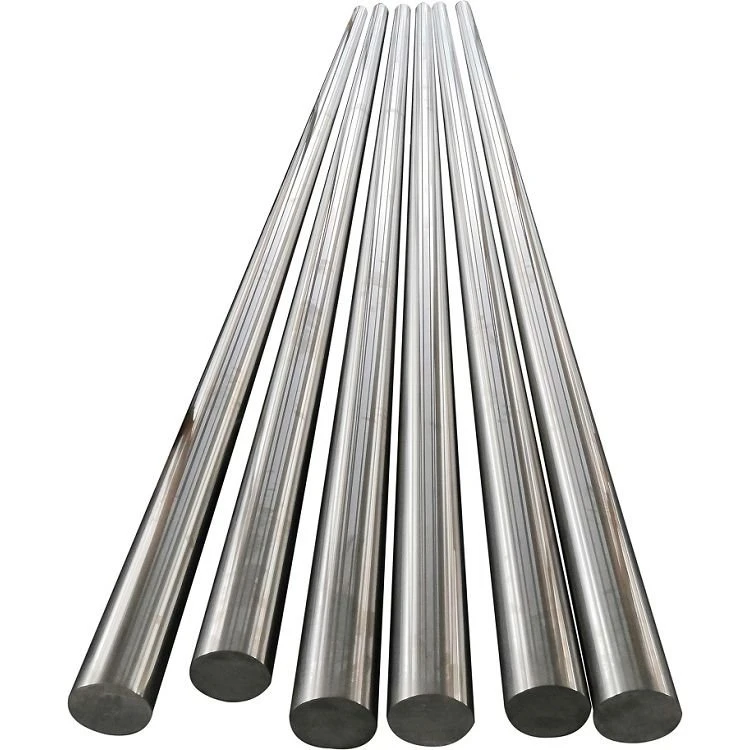
Stainless steel is a popular choice. It's durable, resistant to corrosion, and can handle high - speed rotations. Carbon steel is another option, which is often more affordable. However, it may require additional coatings or treatments to prevent rusting. When choosing a material, consider the specific requirements of your pump system, such as the type of fluid being pumped, the operating temperature, and the pressure.
Proper Shaft Design
The design of the pump shaft is equally important. First off, the diameter of the shaft needs to be appropriate for the power being transmitted. A shaft that's too thin might not be able to handle the torque, leading to bending or even breaking. On the other hand, an overly thick shaft can add unnecessary weight and cost.
The length of the shaft also matters. Longer shafts are more prone to deflection, which can cause misalignment between the motor and the impeller. This misalignment can lead to vibration, increased friction, and reduced power transmission efficiency. So, it's crucial to keep the shaft length as short as possible while still meeting the design requirements of the pump.
Balancing the Shaft
A balanced pump shaft is essential for efficient power transmission. An unbalanced shaft can cause excessive vibration, which not only reduces the efficiency of the pump but also puts additional stress on other components, like bearings and seals. This can lead to premature failure of these parts.
To balance a shaft, you can use either static or dynamic balancing methods. Static balancing is suitable for slower - speed applications and involves ensuring that the center of gravity of the shaft is in the center of its axis. Dynamic balancing, on the other hand, is more accurate and is used for high - speed pumps. It takes into account the forces acting on the shaft during rotation.
Lubrication and Bearings
Lubrication is key to reducing friction between the shaft and the bearings. Without proper lubrication, the friction can generate heat, which can damage the shaft and the bearings. The type of lubricant you use depends on the operating conditions of the pump. For example, in high - temperature applications, you'll need a lubricant with a high - temperature rating.
The choice of bearings is also crucial. There are different types of bearings, such as ball bearings and roller bearings. Ball bearings are suitable for high - speed, low - load applications, while roller bearings can handle higher loads. Make sure the bearings are properly sized and installed to ensure smooth rotation of the shaft.
Alignment
Proper alignment between the motor and the pump shaft is vital for efficient power transmission. Misalignment can cause increased vibration, higher energy consumption, and premature wear of the shaft and other components. There are several methods to ensure alignment, including using laser alignment tools. These tools can accurately measure the alignment of the shaft and help you make the necessary adjustments.
Regular Maintenance
Regular maintenance is the key to keeping your pump shaft in top condition. This includes inspecting the shaft for signs of wear, corrosion, or damage. You should also check the lubrication levels and the condition of the bearings. If you notice any issues, address them immediately to prevent further damage.
Cleaning the shaft regularly can also help maintain its efficiency. Dirt and debris can build up on the shaft, increasing friction and reducing power transmission. Use a suitable cleaning agent and a soft cloth to clean the shaft.
Quality Assurance
As a Pump Shaft supplier, I understand the importance of quality assurance. We use advanced manufacturing techniques and strict quality control measures to ensure that our pump shafts meet the highest standards. From the selection of raw materials to the final inspection, every step is carefully monitored to guarantee the efficiency and reliability of our products.
Conclusion
Ensuring efficient power transmission through a pump shaft is a multi - faceted process. It involves choosing the right material, proper design, balancing, lubrication, alignment, and regular maintenance. By following these tips, you can improve the performance of your pump system, reduce energy consumption, and extend the lifespan of your equipment.
If you're in the market for high - quality pump shafts or need more information on how to optimize your pump system for efficient power transmission, feel free to reach out. We're here to help you make the best choices for your specific needs. Let's start a conversation about your pump shaft requirements and see how we can work together to achieve your goals.
References
- "Pump Handbook" by Igor J. Karassik et al.
- Various industry research papers on pump shaft design and power transmission efficiency.