Designing pump castings for high - speed pumps is a complex yet rewarding process. As a pump casting supplier, I've had the privilege of working on numerous projects, and I'd like to share some insights on how to approach this task effectively.
Understanding the Requirements of High - Speed Pumps
High - speed pumps operate at rotational speeds significantly higher than standard pumps. This increased speed brings about several unique challenges. Firstly, there is a greater demand for precision in the casting design. Any imbalance in the pump casting can lead to excessive vibrations, which not only reduce the efficiency of the pump but also cause premature wear and tear on the components.
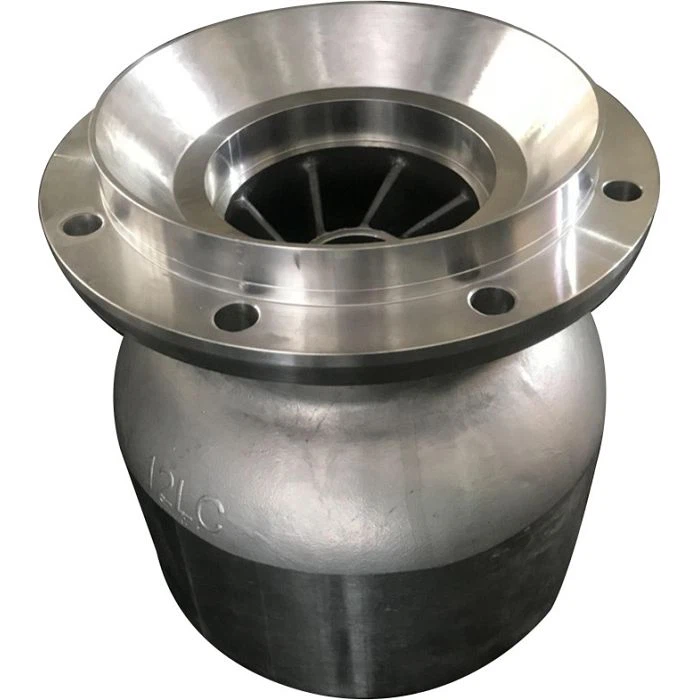
Secondly, due to the high - speed operation, the pump casting needs to withstand high centrifugal forces. The material selection becomes crucial in this regard. For example, Stainless Steel Pump Casting is often a popular choice for high - speed pumps. Stainless steel offers excellent corrosion resistance, high strength, and good mechanical properties at elevated speeds. It can handle the harsh conditions that high - speed pumps may encounter, such as exposure to corrosive fluids or high - pressure environments.
Material Selection
In addition to stainless steel, other materials can also be considered for high - speed pump castings. Wear Resistant Pump Parts are essential for high - speed pumps, as the rapid movement of fluids can cause significant abrasion. Materials like ductile iron are often used for their excellent wear resistance. Ductile Iron Casting provides a good balance between strength and ductility. It can absorb shocks and vibrations, which are common in high - speed pump operations.
When selecting a material, it's important to consider the specific application of the pump. For pumps used in the chemical industry, corrosion resistance may be the primary concern. In contrast, pumps used in mining or construction may require materials with high wear resistance.
Design Considerations
Geometric Design
The geometric design of the pump casting has a direct impact on its performance. The impeller, for example, is one of the most critical components in a high - speed pump. Its shape and size determine the flow rate and pressure of the pump. A well - designed impeller should have smooth curves to minimize fluid resistance and turbulence. This not only improves the efficiency of the pump but also reduces the risk of cavitation, which can cause damage to the impeller.
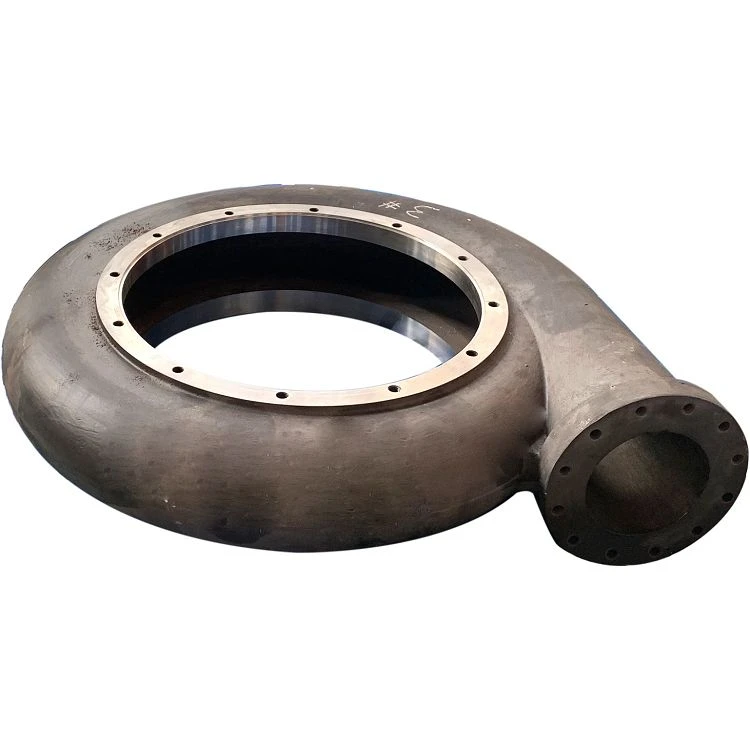
The volute casing, which surrounds the impeller, also needs to be carefully designed. It should be able to collect and direct the fluid discharged from the impeller efficiently. A properly designed volute casing can help maintain a stable flow and reduce pressure fluctuations.
Tolerance and Surface Finish
Tight tolerances are essential for high - speed pump castings. Even small deviations from the design specifications can lead to significant performance issues. For example, if the impeller blades are not precisely machined, it can cause uneven fluid flow and reduce the pump's efficiency.
The surface finish of the pump casting also plays a crucial role. A smooth surface finish reduces friction between the fluid and the casting, improving the pump's efficiency. It also helps prevent the accumulation of debris and contaminants, which can cause blockages and reduce the lifespan of the pump.
Manufacturing Processes
The manufacturing process for high - speed pump castings is a critical step in ensuring their quality. Investment casting is a popular method for producing high - precision pump castings. It allows for the creation of complex shapes with high accuracy. This process involves creating a wax pattern of the casting, coating it with a ceramic shell, and then melting out the wax to form a mold. Molten metal is then poured into the mold to create the casting.
Another important aspect of the manufacturing process is heat treatment. Heat treatment can improve the mechanical properties of the casting, such as hardness, strength, and toughness. It can also relieve internal stresses in the casting, which can improve its dimensional stability.
Quality Control
Quality control is an integral part of the pump casting design and manufacturing process. Non - destructive testing methods, such as ultrasonic testing and X - ray inspection, can be used to detect internal defects in the casting. These methods can identify cracks, porosity, and other flaws that may not be visible on the surface.
Dimensional inspection is also crucial. Coordinate measuring machines (CMMs) can be used to measure the dimensions of the casting with high accuracy. This ensures that the casting meets the design specifications and can be assembled correctly with other pump components.
Testing and Validation
Once the pump casting is manufactured, it needs to be tested and validated to ensure its performance. Performance testing involves running the pump under various operating conditions to measure its flow rate, pressure, and efficiency. This helps identify any performance issues and allows for adjustments to be made to the design if necessary.
Vibration testing is also important for high - speed pumps. Excessive vibrations can indicate an imbalance in the casting or other mechanical problems. By measuring the vibrations, engineers can determine the source of the problem and take corrective actions.
Conclusion
Designing pump castings for high - speed pumps requires a comprehensive understanding of the pump's operating requirements, material properties, and manufacturing processes. By carefully considering these factors, we can produce high - quality pump castings that meet the demanding needs of high - speed pump applications.
If you are in the market for high - quality pump castings for your high - speed pumps, we would be delighted to assist you. Our team of experienced engineers and technicians is dedicated to providing the best solutions for your specific requirements. Contact us to start a discussion about your pump casting needs and explore how we can work together to achieve your goals.
References
- ASME Boiler and Pressure Vessel Code
- ASTM International Standards for Metals
- Pumps Handbook by Igor J. Karassik et al.