Hey there! As a supplier of Ductile Iron Casting, I've been in the game for quite a while. And one question that keeps coming up is how to ensure the consistency of Ductile Iron Casting quality in mass production. Well, let's dive right in and break it down.
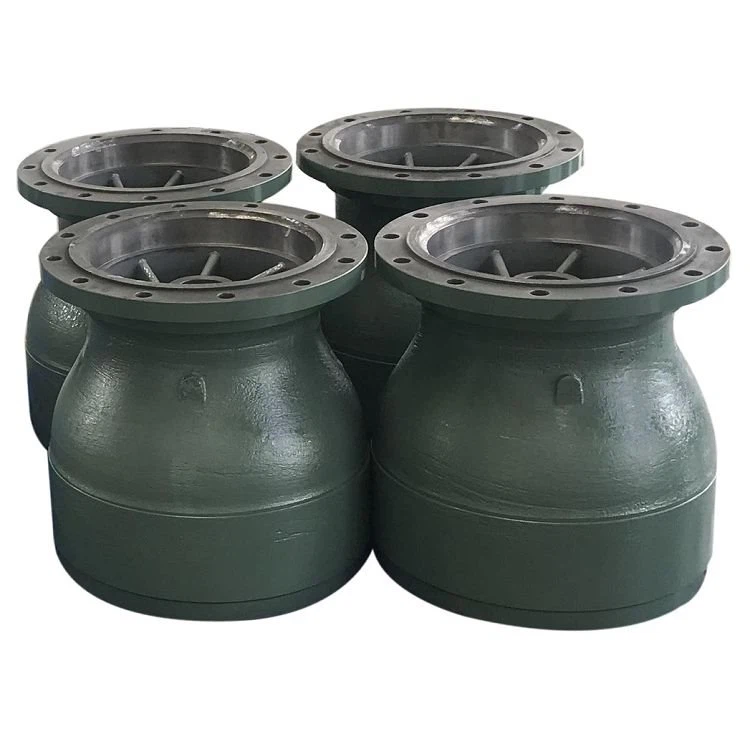
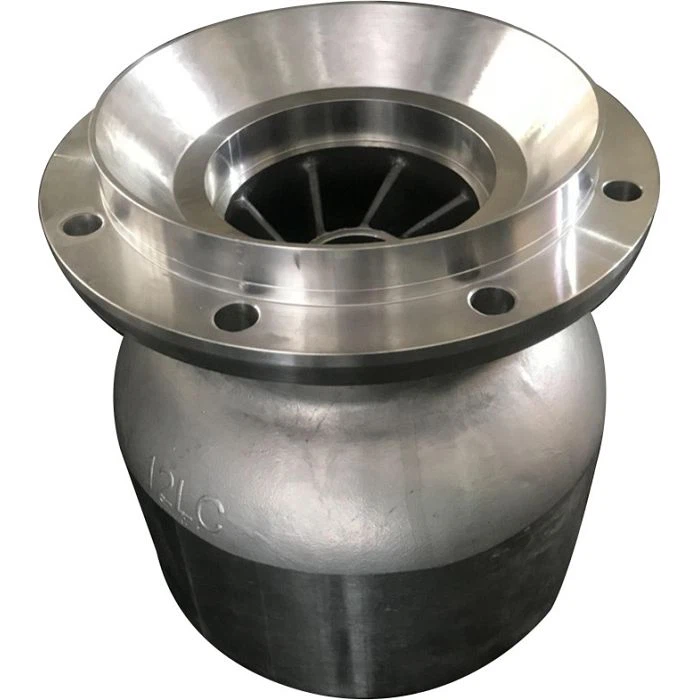
First off, let's understand what Ductile Iron Casting is. Ductile iron, also known as nodular or spheroidal graphite iron, is a type of cast iron. It has graphite nodules in its structure instead of the flake - like graphite in regular cast iron. This gives it some awesome properties like high ductility, strength, and good impact resistance. You can learn more about it Ductile Iron Casting.
Raw Material Control
The quality of ductile iron casting starts with the raw materials. We can't stress enough how important it is to source high - quality raw materials. For the iron base, we need to make sure that the chemical composition is within the specified range. The main elements in ductile iron include iron, carbon, silicon, manganese, sulfur, and phosphorus.
Carbon is a key element as it affects the graphite formation. Too much carbon can lead to excessive graphite growth, while too little can result in a hard and brittle structure. Silicon is added to promote graphite formation and improve the fluidity of the molten metal. Manganese can increase the strength and hardness, but high levels can also cause brittleness. Sulfur and phosphorus are usually kept at low levels because they can have a negative impact on the mechanical properties of the casting.
We work closely with our raw material suppliers to ensure that the materials meet our strict quality standards. Regular chemical analysis is done on incoming materials to verify their composition. This way, we can catch any issues early on and avoid problems during the casting process.
Melting Process
The melting process is crucial for getting consistent quality. We use induction furnaces to melt the raw materials. These furnaces offer precise control over the temperature and the melting process.
Maintaining the right temperature is essential. If the temperature is too low, the molten metal may not flow properly, leading to incomplete filling of the mold and casting defects. On the other hand, if the temperature is too high, it can cause excessive oxidation of the metal and increase the risk of gas porosity.
We also add inoculants and nodulizers during the melting process. Inoculants help to promote the formation of graphite nodules, while nodulizers transform the graphite from a flake - like structure to a nodular one. The amount and type of inoculants and nodulizers used need to be carefully controlled. Any variation in these additives can significantly affect the graphite morphology and, consequently, the mechanical properties of the casting.
Mold Design and Preparation
The mold design plays a big role in the quality of the casting. A well - designed mold ensures proper filling of the molten metal, uniform cooling, and easy removal of the casting.
We use advanced CAD/CAM technology to design the molds. This allows us to optimize the gating and riser systems. The gating system is responsible for guiding the molten metal into the mold cavity, while the riser system provides additional metal to compensate for shrinkage during solidification.
The mold material also matters. We usually use sand molds for ductile iron casting. The sand needs to have good permeability to allow gases to escape during the casting process. Before using the sand, it is properly prepared to ensure its quality. This includes cleaning, re - bonding, and adjusting the moisture content.
Quality Control during Casting
During the casting process, we have a series of quality control measures in place. We use real - time monitoring systems to keep an eye on various parameters such as temperature, pressure, and filling time.
Visual inspection is done immediately after the casting is removed from the mold. This helps us to detect any obvious defects like cracks, porosity, or surface roughness. We also use non - destructive testing methods such as ultrasonic testing and X - ray inspection to check for internal defects.
For mechanical properties, we take samples from the castings and perform tests such as tensile tests, hardness tests, and impact tests. These tests are done according to international standards to ensure the accuracy and reliability of the results.
Heat Treatment
Heat treatment is an important step to improve the mechanical properties of ductile iron castings. After casting, the parts may have residual stresses and non - uniform microstructures. Heat treatment can relieve these stresses and homogenize the microstructure.
Common heat treatment processes for ductile iron include annealing, normalizing, quenching, and tempering. The choice of heat treatment process depends on the specific requirements of the casting. For example, annealing is often used to soften the casting and improve its machinability, while quenching and tempering can increase the strength and hardness.
During the heat treatment process, we need to control the heating rate, holding time, and cooling rate precisely. Any deviation from the specified parameters can lead to inconsistent mechanical properties.
Post - casting Processing
After heat treatment, the castings may need further processing such as machining, grinding, or surface finishing. These processes need to be carefully controlled to ensure that the final dimensions and surface quality of the castings meet the customer's requirements.
We use high - precision machining equipment and follow strict machining procedures. The cutting tools are regularly inspected and replaced to ensure consistent cutting performance. Surface finishing processes like painting or coating are also done to protect the castings from corrosion and improve their appearance.
Employee Training and Management
Our employees are the backbone of our quality control system. We provide regular training to our workers to ensure that they are well - versed in the latest casting techniques and quality control methods.
They are trained to operate the equipment properly, follow the standard operating procedures, and identify and solve problems during the production process. We also encourage our employees to take ownership of the quality of their work. By creating a quality - conscious culture in our company, we can ensure that everyone is committed to producing high - quality ductile iron castings.
Continuous Improvement
We believe in continuous improvement. We regularly review our production processes, quality control measures, and customer feedback. Based on this analysis, we make necessary adjustments and improvements to our processes.
We also keep an eye on the latest industry trends and technologies. By adopting new and better methods, we can further improve the consistency of our ductile iron casting quality.
In addition to Ductile Iron Casting, we also offer Stainless Steel Pump Casting and Cast Iron Casting. Our goal is to provide our customers with high - quality castings that meet their specific needs.
If you're in the market for high - quality ductile iron castings or other types of castings, we'd love to hear from you. Whether you have a small - scale project or need mass production, we have the expertise and capacity to handle it. Contact us to discuss your requirements and start a successful partnership.
References
- "Ductile Iron - Properties, Production, and Applications" by ASM International
- "Foundry Technology Handbook" by Peter Campbell