Hey there! As a supplier of Ductile Iron Casting, I've been in the game for quite some time, and I know how crucial it is to get the raw material procurement right. Quality control at this stage can make or break the final product. So, let's talk about the key quality control points in Ductile Iron Casting raw material procurement.
1. Chemical Composition
The chemical composition of the raw materials is the foundation of high - quality ductile iron casting. We need to pay close attention to elements like carbon (C), silicon (Si), manganese (Mn), sulfur (S), and phosphorus (P).
Carbon is a major element in ductile iron. It affects the graphite formation and the mechanical properties of the casting. A proper carbon content can promote the formation of graphite nodules, which is essential for the ductility of the iron. Silicon is another important element. It helps in graphitization and improves the fluidity of the molten iron. But too much silicon can lead to reduced strength.
Manganese can increase the hardenability of the iron, but high levels may cause brittleness. Sulfur and phosphorus are usually considered impurities. High sulfur content can form iron sulfide, which is detrimental to the ductility of the casting. Phosphorus can also reduce the ductility and impact toughness at low temperatures.
When procuring raw materials, we always request a detailed chemical analysis report from the suppliers. We use spectrometers in our in - house lab to double - check the composition. This way, we can ensure that the raw materials meet our strict standards. For more information on high - quality casting products, you can check out Stainless Steel Pump Casting.
2. Physical Properties
The physical properties of the raw materials are also vital. Things like density, hardness, and grain size matter a lot.
Density can give us an idea about the internal structure of the raw material. If the density is off, it might indicate the presence of voids or inclusions. Hardness is an important property as it affects the machinability and wear resistance of the final casting. We measure the hardness of the raw materials using hardness testers.
The grain size of the raw material can influence the mechanical properties of the casting. A fine - grained structure generally leads to better strength and ductility. We use metallographic microscopes to examine the grain size of the raw materials. This helps us select the best materials for our ductile iron casting. If you're interested in wear - resistant products, Wear Resistant Pump Parts are a great option.
3. Impurity Content
As I mentioned earlier, impurities can have a significant impact on the quality of ductile iron casting. In addition to sulfur and phosphorus, other impurities like oxygen, nitrogen, and non - metallic inclusions also need to be controlled.
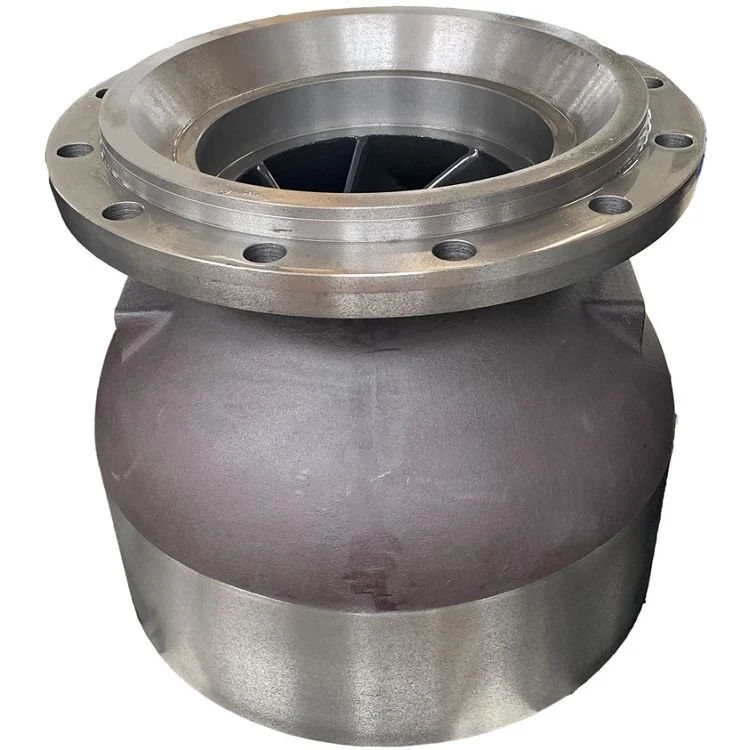
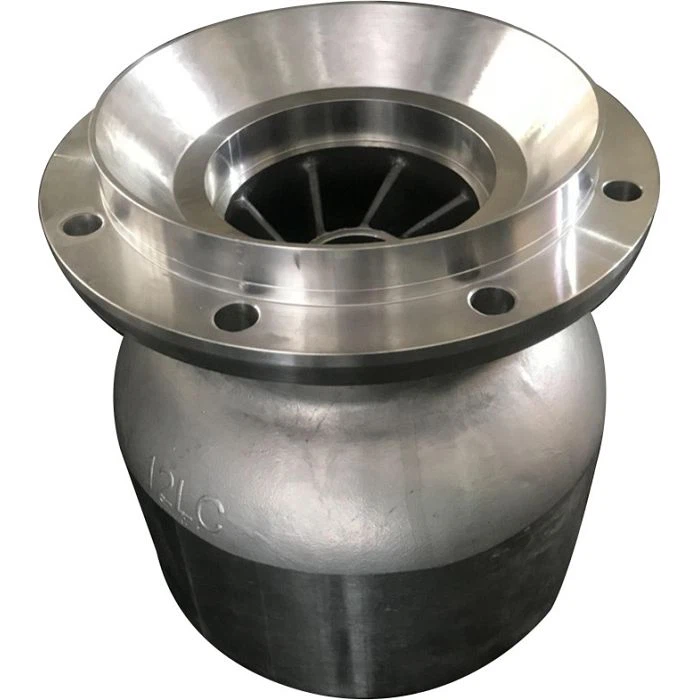
Oxygen can react with other elements in the molten iron to form oxides, which can act as stress raisers and reduce the mechanical properties of the casting. Nitrogen can form nitrides, which may cause embrittlement. Non - metallic inclusions, such as oxides, sulfides, and silicates, can also weaken the casting and reduce its fatigue life.
We work with suppliers who have strict impurity control processes. We also perform our own tests, such as oxygen and nitrogen analysis using specialized equipment. By keeping the impurity content under control, we can produce high - quality ductile iron castings. For more traditional casting options, Cast Iron Casting is worth considering.
4. Supplier Reputation
The reputation of the raw material supplier is a key quality control point. A reliable supplier is more likely to provide high - quality materials consistently.
We look for suppliers with a long - standing history in the industry. We check their track record, customer reviews, and certifications. A supplier with ISO 9001 certification, for example, has a quality management system in place, which gives us more confidence in their products.
We also visit the supplier's facilities whenever possible. This allows us to see their production processes, quality control measures, and storage conditions. By working with reputable suppliers, we can minimize the risk of receiving sub - standard raw materials.
5. Consistency
Consistency is crucial in raw material procurement. We need the raw materials to have the same chemical composition, physical properties, and impurity content from batch to batch.
We ask our suppliers to provide samples from different batches for testing. We compare the test results to ensure that there are no significant variations. If there are variations, we work with the supplier to identify the root cause and find a solution.
In our own production process, we also have a system in place to monitor the performance of the raw materials. This helps us detect any changes in the quality of the materials early on and take corrective actions.
6. Packaging and Transportation
The way the raw materials are packaged and transported can also affect their quality. Proper packaging can protect the raw materials from damage, moisture, and contamination during transportation.
We require our suppliers to use appropriate packaging materials, such as sealed containers or moisture - resistant bags. The packaging should also be labeled clearly with information about the material, its composition, and the batch number.
During transportation, we make sure that the raw materials are handled carefully. They should be transported in a clean and dry environment. If the raw materials are exposed to harsh conditions during transportation, their quality can be compromised.
7. Cost - Quality Balance
While quality is our top priority, we also need to consider the cost. We look for suppliers who can offer high - quality raw materials at a reasonable price.
We compare the prices of different suppliers, but we don't just go for the cheapest option. We consider the overall value, which includes the quality of the materials, the supplier's service, and their reliability. By finding the right cost - quality balance, we can ensure the profitability of our business while maintaining high - quality standards.
Conclusion
In conclusion, quality control in Ductile Iron Casting raw material procurement is a complex but essential process. By paying attention to the chemical composition, physical properties, impurity content, supplier reputation, consistency, packaging and transportation, and cost - quality balance, we can ensure that we get the best raw materials for our castings.
If you're in the market for high - quality Ductile Iron Casting products or have any questions about our raw material procurement process, don't hesitate to reach out for a procurement negotiation. We're always ready to discuss your needs and provide the best solutions.
References
- "Ductile Iron Casting Handbook"
- Industry standards and guidelines for metal casting raw materials.