As a seasoned supplier of Cast Iron Casting, I understand the paramount importance of achieving an excellent surface finish in the casting process. A superior surface finish not only enhances the aesthetic appeal of the cast iron products but also has a direct impact on their functionality, durability, and overall quality. In this blog post, I will share some practical and effective strategies to improve the surface finish of cast iron casting, drawing on my years of experience in the industry.
Understanding the Factors Affecting Surface Finish
Before delving into the methods of improving surface finish, it is crucial to understand the various factors that can influence it. These factors can be broadly categorized into three main areas: mold-related factors, casting material factors, and casting process factors.
Mold-Related Factors
- Mold Material: The type of mold material used can significantly affect the surface finish of the cast iron. For example, sand molds are commonly used in cast iron casting, but the quality and characteristics of the sand can vary. Fine-grained sand with a uniform particle size can produce a smoother surface finish compared to coarse-grained sand. Additionally, the use of special coatings on the mold surface can further enhance the surface finish by reducing friction and preventing metal penetration.
- Mold Design: The design of the mold, including the shape, size, and gating system, can also impact the surface finish. A well-designed mold with smooth internal surfaces and proper gating can ensure uniform filling of the mold cavity, minimizing the formation of defects such as porosity, shrinkage, and rough surfaces.
- Mold Preparation: Proper preparation of the mold is essential for achieving a good surface finish. This includes cleaning the mold thoroughly to remove any dirt, debris, or residual materials, as well as applying a suitable release agent to prevent the cast iron from sticking to the mold.
Casting Material Factors
- Cast Iron Composition: The composition of the cast iron can have a significant influence on its surface finish. Different types of cast iron, such as gray cast iron, white cast iron, and Ductile Iron Casting, have different properties and characteristics that can affect the surface finish. For example, ductile iron casting typically has a smoother surface finish compared to gray cast iron due to its graphite structure.
- Impurities and Inclusions: The presence of impurities and inclusions in the cast iron can also degrade the surface finish. These impurities can include oxides, sulfides, and other non-metallic substances that can cause surface defects such as pits, cracks, and rough spots. Therefore, it is important to use high-quality cast iron materials and implement proper melting and refining processes to minimize the presence of impurities.
Casting Process Factors
- Pouring Temperature and Speed: The pouring temperature and speed of the cast iron can have a significant impact on the surface finish. If the pouring temperature is too high, it can cause excessive oxidation and gas formation, leading to a rough surface finish. On the other hand, if the pouring temperature is too low, it can result in incomplete filling of the mold cavity and the formation of cold shuts and other defects. Similarly, the pouring speed should be carefully controlled to ensure uniform filling of the mold cavity without causing turbulence or splashing.
- Solidification Rate: The solidification rate of the cast iron can also affect the surface finish. A slow solidification rate can allow the graphite to form larger flakes, resulting in a rougher surface finish. Conversely, a fast solidification rate can promote the formation of finer graphite structures, leading to a smoother surface finish. Therefore, it is important to control the solidification rate through proper mold design, cooling methods, and the use of appropriate additives.
- Post-Casting Treatment: Post-casting treatment, such as heat treatment, machining, and surface finishing operations, can also improve the surface finish of the cast iron. Heat treatment can help to relieve internal stresses, improve the mechanical properties, and refine the microstructure of the cast iron, which can in turn enhance the surface finish. Machining operations, such as grinding, polishing, and sandblasting, can be used to remove surface defects and achieve a smooth and uniform surface finish.
Strategies for Improving Surface Finish
Based on the above factors, here are some practical strategies that can be implemented to improve the surface finish of cast iron casting:
Optimize Mold Design and Preparation
- Use High-Quality Mold Materials: Select high-quality mold materials, such as fine-grained sand or ceramic molds, that can provide a smooth surface finish. Consider using special coatings on the mold surface to further enhance the surface finish and reduce friction.
- Design the Mold Carefully: Pay attention to the design of the mold, including the shape, size, and gating system. Ensure that the mold has smooth internal surfaces and proper gating to promote uniform filling of the mold cavity and minimize the formation of defects.
- Prepare the Mold Properly: Thoroughly clean the mold before use to remove any dirt, debris, or residual materials. Apply a suitable release agent to prevent the cast iron from sticking to the mold and ensure easy removal of the casting.
Control the Casting Material Quality
- Select the Right Cast Iron Composition: Choose the appropriate type of cast iron based on the specific requirements of the application. Consider using Ductile Iron Casting for applications that require a smooth surface finish and high mechanical properties.
- Minimize Impurities and Inclusions: Use high-quality cast iron materials and implement proper melting and refining processes to minimize the presence of impurities and inclusions. This can include using clean scrap metal, adding appropriate alloying elements, and using refining agents to remove impurities.
Optimize the Casting Process
- Control the Pouring Temperature and Speed: Monitor and control the pouring temperature and speed of the cast iron to ensure optimal filling of the mold cavity. Use a temperature sensor to measure the pouring temperature accurately and adjust the pouring speed as needed to prevent turbulence and splashing.
- Control the Solidification Rate: Implement appropriate cooling methods, such as using chills or cooling channels in the mold, to control the solidification rate of the cast iron. This can help to promote the formation of finer graphite structures and improve the surface finish.
- Perform Post-Casting Treatment: After casting, perform appropriate post-casting treatment operations, such as heat treatment, machining, and surface finishing, to improve the surface finish and mechanical properties of the cast iron. Heat treatment can help to relieve internal stresses and refine the microstructure, while machining and surface finishing operations can remove surface defects and achieve a smooth and uniform surface finish.
Conclusion
Improving the surface finish of cast iron casting is a complex process that requires careful consideration of various factors, including mold design, casting material quality, and casting process parameters. By implementing the strategies outlined in this blog post, you can significantly enhance the surface finish of your cast iron products, improving their aesthetic appeal, functionality, and overall quality.
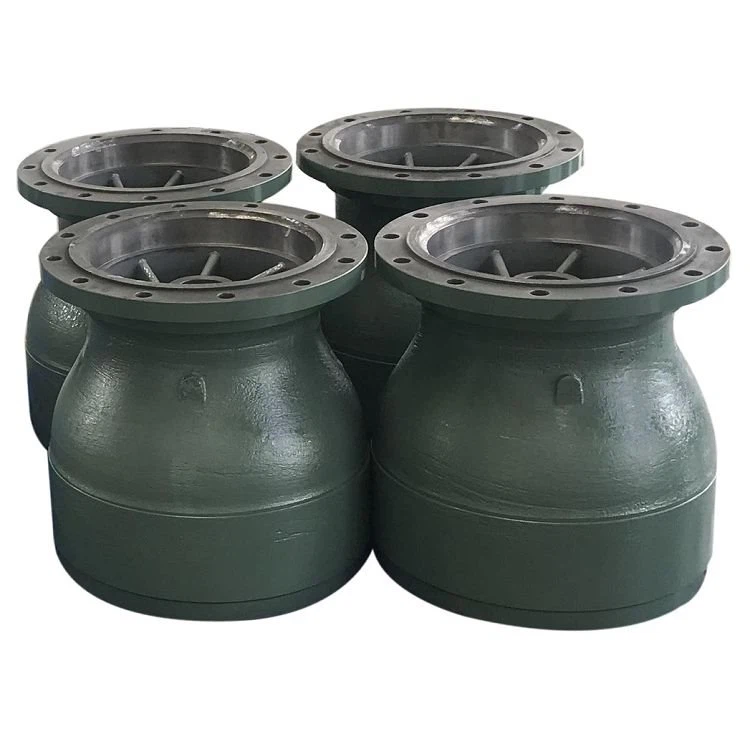
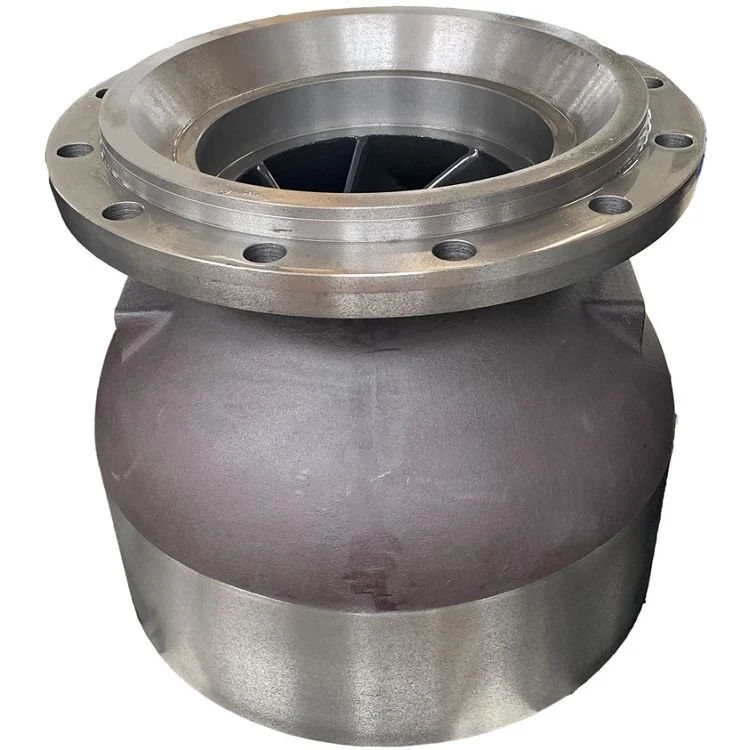
As a leading supplier of Cast Iron Casting and Wear Resistant Pump Parts, we are committed to providing our customers with high-quality cast iron products that meet their specific requirements. If you have any questions or need further information about improving the surface finish of cast iron casting, or if you are interested in purchasing our cast iron products, please feel free to contact us. We look forward to working with you to achieve your casting goals.
References
- Campbell, J. (2003). Castings. Butterworth-Heinemann.
- Kalpakjian, S., & Schmid, S. R. (2008). Manufacturing Engineering and Technology. Pearson Prentice Hall.
- Singh, R. K., & Rajput, R. K. (2010). A Textbook of Manufacturing Technology. S. Chand & Company Ltd.