Hey there! As a supplier of pump impellers, I often get asked about the difference between small and large pump impellers. It's a great question, and one that can have a big impact on your pumping system. So, let's dive in and take a closer look.
Size and Design
The most obvious difference between small and large pump impellers is their size. Small impellers are typically less than 10 inches in diameter, while large impellers can be 20 inches or more. But size isn't the only factor. The design of the impeller also plays a crucial role.
Small impellers are often designed for low-flow, high-pressure applications. They have fewer vanes and a more compact design, which allows them to spin at higher speeds and generate more pressure. This makes them ideal for applications like boosting water pressure in a residential or commercial building, or for use in small industrial pumps.
On the other hand, large impellers are designed for high-flow, low-pressure applications. They have more vanes and a larger diameter, which allows them to move more fluid at a lower pressure. This makes them ideal for applications like pumping water from a well or a reservoir, or for use in large industrial pumps.
Performance
Another important difference between small and large pump impellers is their performance. Small impellers are typically more efficient at generating high pressure, but they have a lower flow rate. This means that they can move a small amount of fluid at a high pressure, but they aren't as effective at moving large volumes of fluid.
Large impellers, on the other hand, are typically more efficient at moving large volumes of fluid, but they have a lower pressure rating. This means that they can move a large amount of fluid at a low pressure, but they aren't as effective at generating high pressure.
When choosing between a small and large pump impeller, it's important to consider your specific application and performance requirements. If you need to generate high pressure, a small impeller may be the best choice. If you need to move large volumes of fluid, a large impeller may be the better option.
Material and Durability
The material used to make the pump impeller is also an important factor to consider. Different materials have different properties, which can affect the performance and durability of the impeller.
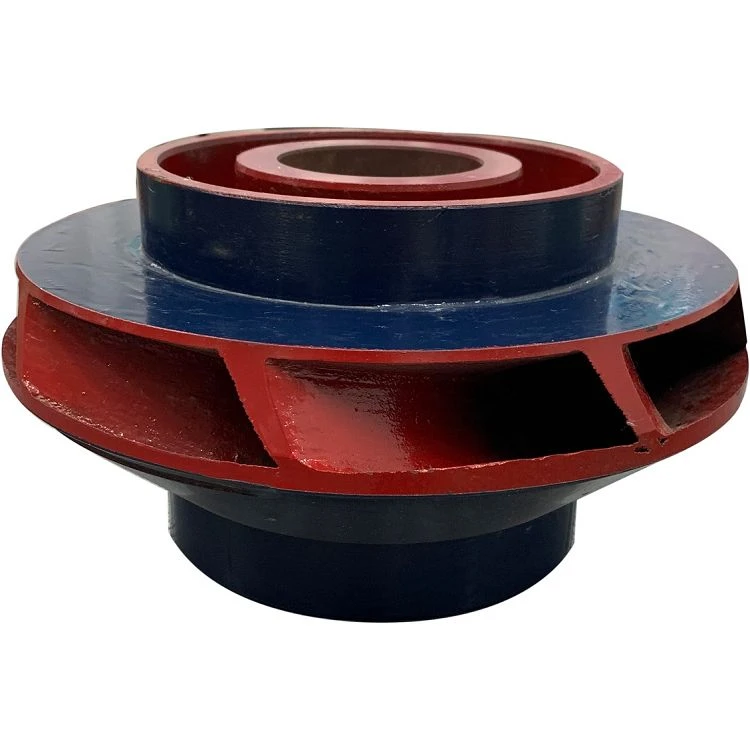
For small pump impellers, materials like Cast Iron Pump Impeller are often used. Cast iron is a strong and durable material that can withstand high pressures and temperatures. It's also relatively inexpensive, which makes it a popular choice for small impellers.
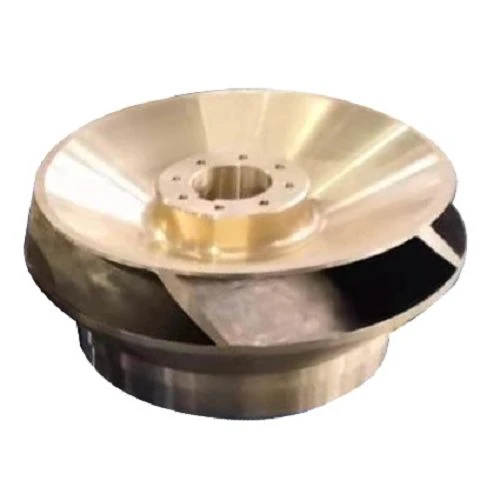
For large pump impellers, materials like Bronze Pump Impeller and Stainless Steel Pump Impeller are often used. Bronze is a corrosion-resistant material that is ideal for use in water and wastewater applications. Stainless steel is also a corrosion-resistant material that is strong and durable. It's often used in applications where the impeller will be exposed to harsh chemicals or environments.
Cost
The cost of a pump impeller can vary depending on its size, design, material, and performance. Small pump impellers are typically less expensive than large pump impellers, but they may not be as effective at moving large volumes of fluid.
When choosing a pump impeller, it's important to consider your budget and your specific application requirements. If you need a high-performance impeller for a large-scale application, you may need to invest in a more expensive impeller. If you have a smaller budget or a less demanding application, a less expensive impeller may be sufficient.
Maintenance and Repair
Finally, it's important to consider the maintenance and repair requirements of the pump impeller. Small impellers are typically easier to maintain and repair than large impellers, but they may need to be replaced more frequently.
Large impellers, on the other hand, are typically more difficult to maintain and repair, but they may last longer. When choosing a pump impeller, it's important to consider the maintenance and repair requirements of the impeller and to factor these costs into your budget.
Conclusion
In conclusion, the difference between a small and large pump impeller comes down to size, design, performance, material, cost, and maintenance. When choosing a pump impeller, it's important to consider your specific application requirements and to choose an impeller that is the right size, design, and material for your needs.
If you're in the market for a pump impeller, I'd be happy to help you find the right one for your application. As a supplier of pump impellers, I have a wide range of options available, and I can help you choose the impeller that is the best fit for your needs and budget.
So, if you have any questions or if you'd like to learn more about our pump impellers, please don't hesitate to contact me. I'd be happy to discuss your options and to help you find the right pump impeller for your application.
References
- "Pump Impeller Basics," Hydraulic Institute.
- "Selection of Pump Impellers," Chemical Engineering.
- "Pump Impeller Design and Performance," Pump Industry Analyst.