Yo, what's up! As a supplier of centrifugal pumps, I often get asked about the materials used in making these pumps. It's actually a super important topic 'cause the materials directly affect the pump's performance, durability, and cost. So, let's dig into it!
Metals
Metals are the most commonly used materials in centrifugal pump construction. They offer high strength, good thermal conductivity, and can withstand high pressures.
Cast Iron
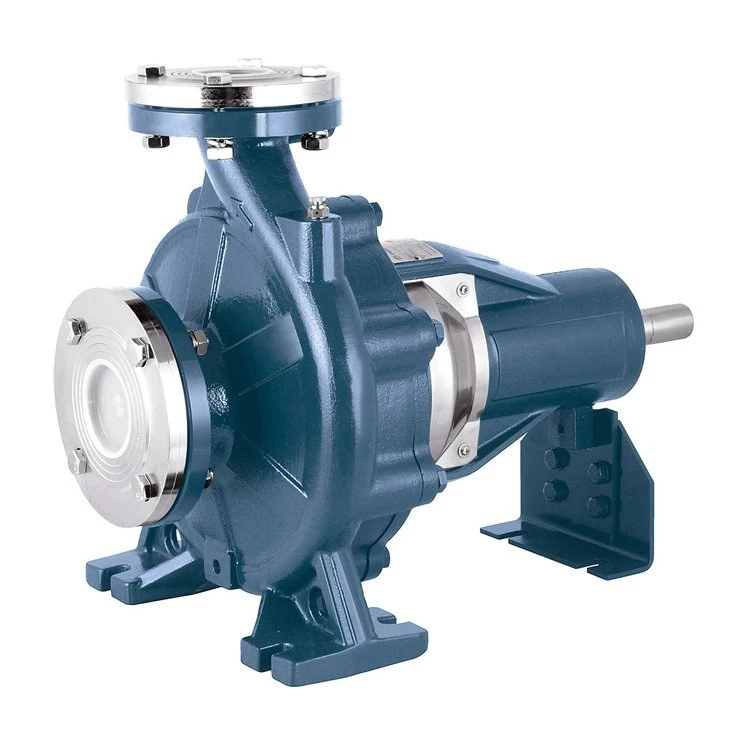
Cast iron is a classic choice for centrifugal pumps, especially for general - purpose applications. It's relatively cheap and easy to cast into complex shapes, which is great for pump casings and impellers. The main drawback is that it's prone to corrosion, especially in acidic or salty environments. But if you're using the pump in a clean water system, it can be a solid option. We use cast iron in some of our End Suction Centrifugal Pump models because they're designed for simple water transfer tasks where corrosion isn't a big concern.
Cast Steel
Cast steel is stronger and more corrosion - resistant than cast iron. It can handle higher pressures and temperatures, making it suitable for industrial applications where the conditions are a bit tougher. You can find cast steel in pumps used in chemical processing, power generation, and oil refineries. The downside is that it's more expensive than cast iron, but the extra cost is often worth it for the added durability and performance.
Stainless Steel
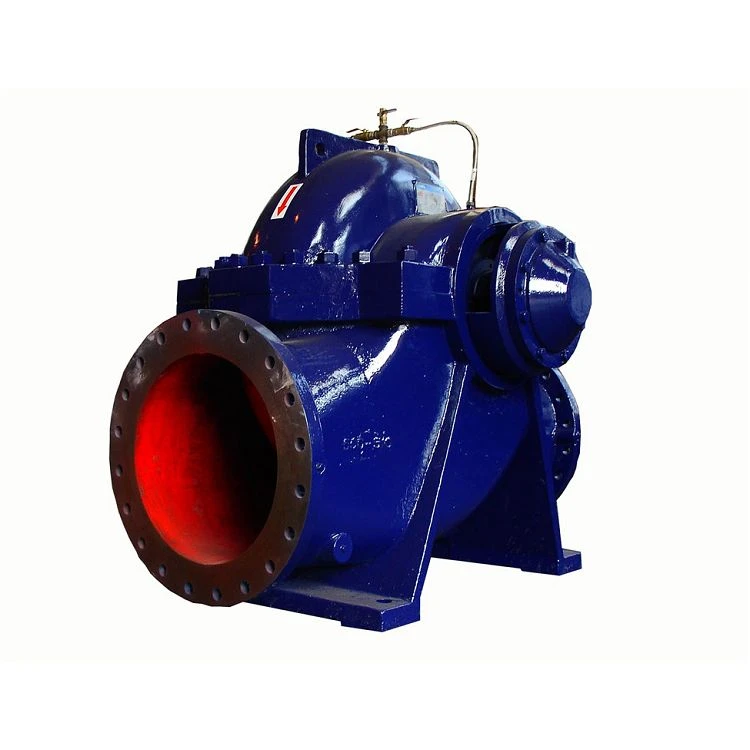
Stainless steel is a superstar in the world of pump materials. It has excellent corrosion resistance, which makes it ideal for handling corrosive fluids like acids, alkalis, and seawater. The chromium content in stainless steel forms a thin, protective oxide layer on the surface, preventing rust and corrosion. We use stainless steel in many of our pump models, including some Single Stage Double - Suction Centrifugal Pump units that are used in marine and chemical industries. There are different grades of stainless steel, and the choice depends on the specific corrosion resistance requirements of the application.
Bronze
Bronze is an alloy of copper and tin, and it has good corrosion resistance and wear resistance. It's often used for impellers and other moving parts in centrifugal pumps. Bronze is also resistant to biofouling, which makes it a good choice for pumps used in seawater or other water sources with a lot of organic matter. In some of our pumps for the marine industry, we use bronze components to ensure long - term reliability.
Non - metals
Non - metals are also used in centrifugal pumps, especially in applications where corrosion resistance or electrical insulation is required.
Rubber
Rubber is used for gaskets, seals, and linings in centrifugal pumps. It provides a good seal to prevent leakage and can also absorb vibrations. EPDM (Ethylene Propylene Diene Monomer) rubber is a popular choice because it has excellent resistance to heat, ozone, and weathering. Nitrile rubber is another option, which is more resistant to oil and fuel. We use high - quality rubber components in our pumps to ensure proper sealing and reduce the risk of leaks.
Plastic
Plastic materials like PVC (Polyvinyl Chloride), PP (Polypropylene), and PTFE (Polytetrafluoroethylene) are used in some centrifugal pumps. PVC is a cost - effective option and is commonly used for pumps in water treatment and irrigation systems. PP has good chemical resistance and is lightweight, making it suitable for some industrial applications. PTFE, also known as Teflon, has extremely low friction and excellent chemical resistance. It's often used for seals and bearings in pumps that handle aggressive chemicals.
Ceramics
Ceramics are used in high - performance centrifugal pumps, especially for applications where wear resistance is crucial. They have high hardness and can withstand abrasive fluids. For example, in Mine Multistage Centrifugal Pump used in mining operations, ceramic components can significantly extend the pump's lifespan by resisting the wear caused by the abrasive particles in the slurry.
Factors Affecting Material Selection
When choosing the materials for a centrifugal pump, several factors need to be considered:
Fluid Properties
The type of fluid being pumped is the most important factor. If the fluid is corrosive, you'll need to choose a material with good corrosion resistance, like stainless steel or plastic. If the fluid contains abrasive particles, materials with high wear resistance, such as ceramics or hardened metals, are required.
Operating Conditions
The pressure, temperature, and flow rate of the pumping system also affect material selection. High - pressure applications may require stronger materials like cast steel or forged metals. High - temperature applications need materials that can withstand thermal expansion and maintain their mechanical properties, such as certain grades of stainless steel.
Cost
Cost is always a concern. You need to balance the performance requirements with the budget. Sometimes, a less expensive material can be used if it meets the basic requirements of the application. But in critical applications, investing in high - quality materials can save money in the long run by reducing maintenance and replacement costs.
Conclusion
In conclusion, the materials used in centrifugal pump construction play a vital role in the pump's performance and durability. Whether it's metals, non - metals, or a combination of both, each material has its own unique properties and applications. As a centrifugal pump supplier, we carefully select the materials for our pumps based on the specific needs of the customers.
If you're in the market for a centrifugal pump or need more information about the materials and their suitability for your application, don't hesitate to reach out. We're here to help you make the best choice for your pumping needs.
References
- Chemical Engineering Handbook, Perry and Green
- Pump Handbook, Karassik et al.