What is the motor of a fire pump?
As a seasoned supplier in the fire pump industry, I've encountered numerous inquiries about the motors that power these critical safety devices. Fire pumps are indispensable in safeguarding lives and property from the ravages of fire, and their motors play a pivotal role in ensuring reliable operation. In this blog, I'll delve into the intricacies of fire pump motors, exploring their types, functions, and key considerations.
Types of Fire Pump Motors
Electric Motors
Electric motors are the most commonly used type in fire pump systems. They offer several advantages, including high efficiency, low maintenance requirements, and precise control. Electric motors can be further classified into two main categories:
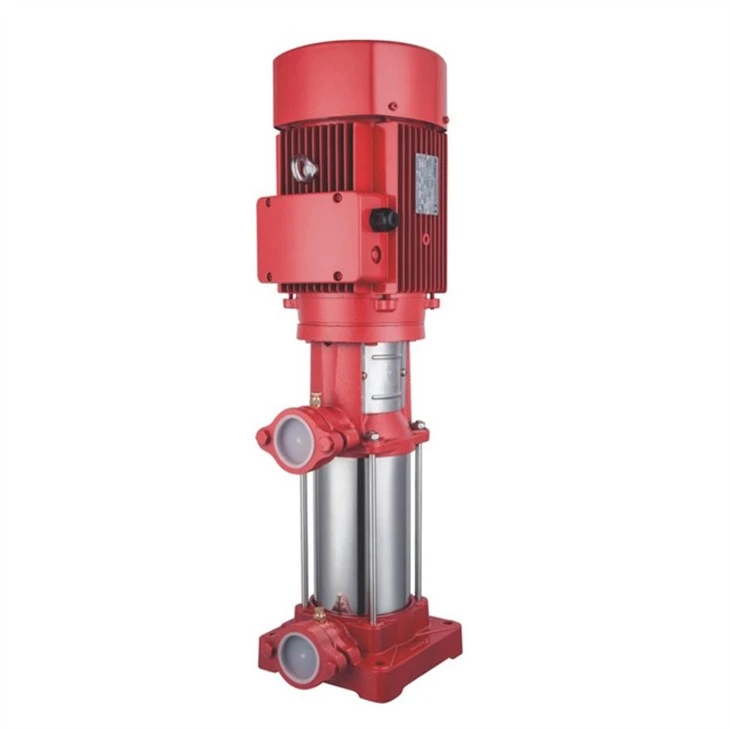
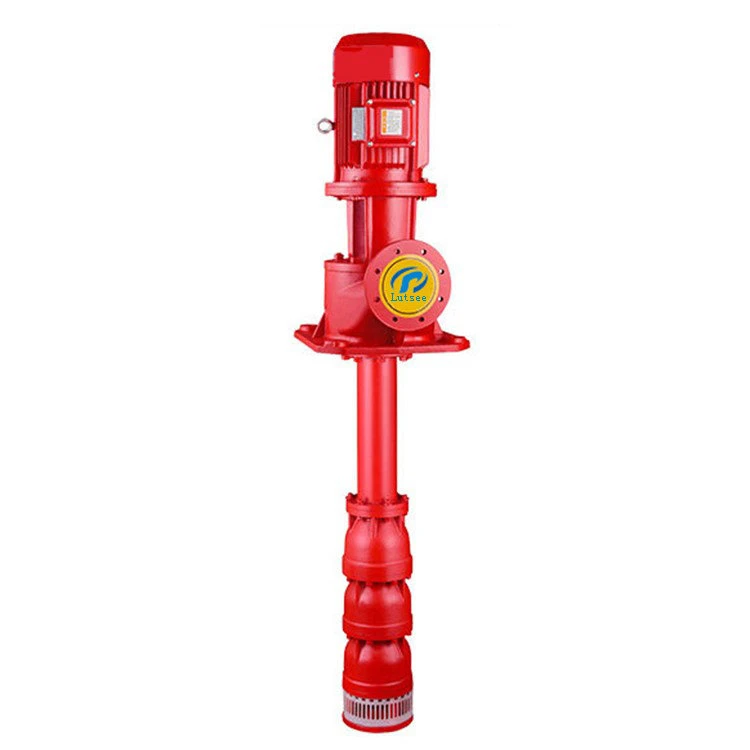
- Induction Motors: These are the workhorses of the fire pump industry. Induction motors are robust, reliable, and cost - effective. They operate on the principle of electromagnetic induction, where a rotating magnetic field in the stator induces a current in the rotor, causing it to rotate. Induction motors are available in various sizes and power ratings to suit different fire pump applications. For example, in a small commercial building, a relatively low - power induction motor may be sufficient to drive the fire pump, while a large industrial complex may require a high - power motor to meet the demanding flow and pressure requirements.
- Synchronous Motors: Synchronous motors run at a constant speed that is synchronized with the frequency of the power supply. They offer higher efficiency and power factor compared to induction motors, especially at full load. Synchronous motors are often used in large - scale fire pump installations where energy efficiency is a top priority. However, they are more complex and expensive than induction motors, requiring additional control equipment for starting and operation.
Diesel Engines
Diesel engines are another popular choice for fire pump motors, particularly in applications where a reliable power source is not always available. Diesel - powered fire pumps are commonly used in remote locations, industrial sites, and areas prone to power outages. Diesel engines offer several benefits:
- Independence from the Grid: Diesel engines can operate independently of the electrical grid, ensuring continuous operation during power failures. This is crucial in fire protection systems, as a power outage should not compromise the ability of the fire pump to supply water.
- High Power Output: Diesel engines can deliver high power outputs, making them suitable for large - capacity fire pumps. They can provide the necessary flow and pressure to fight fires in large buildings, industrial facilities, and high - rise structures.
- Reliability: Diesel engines are known for their durability and reliability. They are designed to withstand harsh operating conditions and can be quickly started in an emergency.
Functions of Fire Pump Motors
The primary function of a fire pump motor is to drive the pump impeller, which in turn moves water through the fire protection system. The motor must be capable of providing the necessary power to achieve the required flow rate and pressure. Here's a breakdown of the key functions:
Flow Rate
The flow rate of a fire pump is the volume of water that the pump can deliver per unit of time, typically measured in gallons per minute (GPM) or liters per second (L/s). The motor must be sized appropriately to ensure that the pump can meet the design flow rate specified by the fire protection engineer. For example, a small office building may require a fire pump with a flow rate of 500 GPM, while a large hospital may need a pump with a flow rate of 2000 GPM or more.
Pressure
Pressure is another critical parameter in fire pump operation. The motor must generate enough power to overcome the resistance in the piping system and deliver water to the fire sprinklers or hydrants at the required pressure. The pressure is usually measured in pounds per square inch (PSI) or kilopascals (kPa). In a high - rise building, the fire pump motor may need to generate a pressure of several hundred PSI to ensure that water reaches the upper floors.
Starting and Stopping
Fire pump motors must be able to start quickly and reliably in an emergency. They are typically equipped with automatic starting systems that can be activated by a fire alarm or a low - pressure switch. Once the fire is extinguished or the emergency is over, the motor must be able to stop safely and efficiently.
Key Considerations When Selecting a Fire Pump Motor
When choosing a motor for a fire pump, several factors need to be taken into account:
Power Rating
The power rating of the motor should be selected based on the flow rate and pressure requirements of the fire pump. It's important to ensure that the motor has enough power to drive the pump under all operating conditions. Oversizing the motor can lead to increased energy consumption and higher operating costs, while undersizing the motor can result in poor pump performance and potential system failures.
Efficiency
Energy efficiency is an important consideration, especially in large - scale fire pump installations. High - efficiency motors can reduce energy consumption and operating costs over the life of the system. When selecting a motor, look for models with high efficiency ratings and features such as variable frequency drives (VFDs) to optimize energy usage.
Reliability
Reliability is paramount in fire protection systems. The motor should be designed and manufactured to meet strict quality standards and should be able to operate continuously under harsh conditions. Look for motors from reputable manufacturers with a proven track record of reliability. Regular maintenance and testing are also essential to ensure the long - term reliability of the motor.
Compatibility
The motor must be compatible with the fire pump and the overall fire protection system. It should be able to interface with the pump's control panel, sensors, and other components. Compatibility issues can lead to improper operation, reduced performance, and potential safety hazards.
Our Offerings
As a leading fire pump supplier, we offer a wide range of high - quality fire pump motors to meet the diverse needs of our customers. Our product portfolio includes both electric motors and diesel engines, each carefully selected for their reliability, efficiency, and performance.
We offer Submersible Fire Pump with electric motors that are designed for quiet operation and high efficiency. These pumps are ideal for applications where space is limited, such as basements and underground water storage tanks. Our Centrifugal Fire Pump powered by diesel engines are suitable for large - scale fire protection systems, providing reliable performance even in the most challenging environments.
If you're in the market for a fire pump motor, our team of experts is here to help. We can assist you in selecting the right motor for your specific application, ensuring that you get the best value for your investment. Whether you need a small - scale solution for a residential building or a large - capacity system for an industrial complex, we have the expertise and products to meet your needs.
Conclusion
The motor of a fire pump is a critical component of any fire protection system. It must be carefully selected based on factors such as power rating, efficiency, reliability, and compatibility. Whether you choose an electric motor or a diesel engine, ensuring the proper operation of the motor is essential for protecting lives and property from the threat of fire.
If you have any questions or would like to discuss your fire pump motor requirements, please don't hesitate to contact us. We're committed to providing you with the best fire pump solutions and look forward to working with you on your next project.
References
- National Fire Protection Association (NFPA). NFPA 20: Standard for the Installation of Stationary Pumps for Fire Protection.
- American Petroleum Institute (API). API 610: Centrifugal Pumps for General Refinery Service.
- Hydraulic Institute. ANSI/HI 1.1 - 1.2: Rotodynamic Pumps - Design and Application.