In the realm of fluid management, pumps are indispensable components across a wide range of industries, from water treatment and agriculture to oil and gas. As a dedicated Pump Casting supplier, we understand the critical role that high - quality pump castings play in the performance and efficiency of pumps. The yield of pump casting, which refers to the ratio of the number of qualified castings to the total number of castings produced, is a key metric that impacts both cost - effectiveness and customer satisfaction. In this blog, we will explore the various factors that can affect the yield of pump casting.
1. Material Selection
The choice of material for pump casting is fundamental. Different materials have distinct properties that can influence the casting yield.
Metallurgical Properties
- Melting Point and Fluidity: Some materials, like cast iron, have a relatively low melting point compared to stainless steel. A lower melting point means less energy is required for melting, and the molten metal may have better fluidity. Good fluidity allows the metal to fill the mold cavity more completely, reducing the chances of incomplete filling defects. For instance, when casting complex - shaped pump bodies, a material with high fluidity can fill all the intricate channels and cavities, leading to a higher yield. Our Cast Iron Casting products are crafted with a careful selection of iron - based alloys to ensure optimal melting and fluidity characteristics.
- Shrinkage Rate: During solidification, all metals shrink. The shrinkage rate varies from one material to another. For example, aluminum alloys generally have a higher shrinkage rate than some copper - based alloys. If the shrinkage rate is not properly accounted for in the mold design, it can lead to defects such as shrinkage cavities and porosity. These defects can render the casting unfit for use and lower the overall yield. As a supplier, we conduct in - depth research on the shrinkage behavior of different materials to optimize our casting processes.
Material Quality
- Purity: Impurities in the raw materials can cause a variety of problems. For example, sulfur and phosphorus impurities in steel can reduce its ductility and increase the risk of cracking. In pump castings, cracks are serious defects that can lead to leakage and pump failure. We source high - purity raw materials from reliable suppliers and conduct strict quality control checks to ensure the absence of harmful impurities.
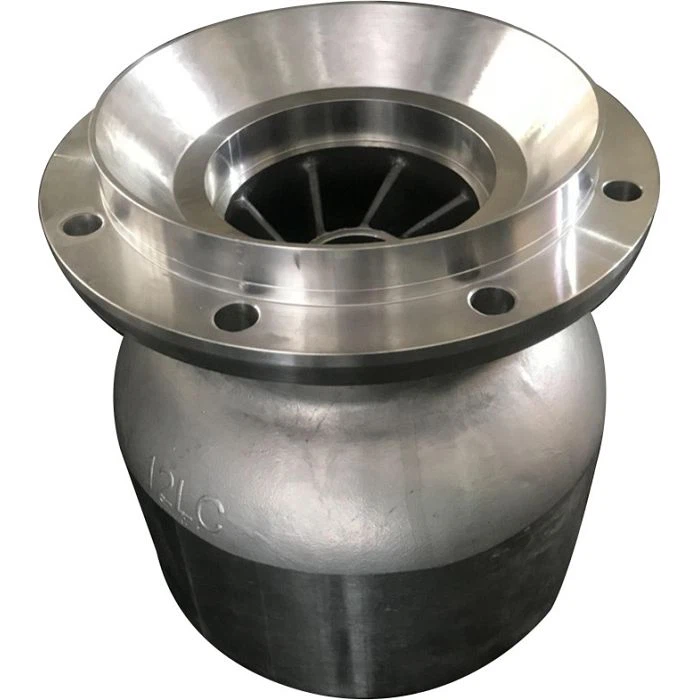
- Alloy Composition: For alloy materials, the precise composition is crucial. In Stainless Steel Pump Casting, the ratio of elements such as chromium, nickel, and molybdenum affects its corrosion resistance, strength, and casting properties. Deviations from the optimal composition can result in sub - standard castings, reducing the yield. Our R & D team continuously monitors and adjusts the alloy composition to meet the highest industry standards.
2. Mold Design and Manufacturing
The mold is the blueprint for pump castings, and its design and manufacturing quality have a direct impact on the casting yield.
Mold Design
- Gating System: The gating system is responsible for guiding the molten metal into the mold cavity. A well - designed gating system ensures a smooth and even flow of metal, minimizing turbulence and air entrapment. Turbulent flow can cause oxide inclusions and porosity in the casting, while air entrapment can lead to gas holes. We use advanced simulation software to optimize the gating system design, taking into account factors such as the shape and size of the casting, the type of material, and the pouring temperature.
- Riser Design: Risers are used to provide a reservoir of molten metal to compensate for shrinkage during solidification. Proper riser size, shape, and location are essential to prevent shrinkage defects. If the riser is too small or not placed correctly, the casting may not receive enough molten metal to fill the shrinkage cavities, resulting in internal voids. Our engineers have extensive experience in riser design, and they tailor the design to each specific pump casting to maximize the yield.
Mold Manufacturing
- Dimensional Accuracy: The mold must be manufactured to high dimensional accuracy to ensure that the castings meet the required specifications. Any deviations in the mold dimensions can lead to castings with incorrect sizes, shapes, or surface finishes. We use state - of - the - art machining equipment and strict quality control measures during mold manufacturing to guarantee dimensional accuracy.
- Surface Finish: The surface finish of the mold affects the surface finish of the casting. A rough mold surface can result in a rough casting surface, which may require additional machining or finishing operations. In some cases, a poor surface finish can also lead to defects such as surface cracks. We polish the mold surface to a high - quality finish to ensure smooth and defect - free castings.
3. Casting Process Parameters
The control of casting process parameters is crucial for achieving a high yield of pump castings.
Pouring Temperature
- Optimal Range: The pouring temperature must be within an optimal range for each material. If the pouring temperature is too low, the molten metal may solidify before filling the mold completely, resulting in incomplete castings. On the other hand, if the pouring temperature is too high, it can increase the risk of shrinkage defects, oxidation, and distortion. We carefully monitor and control the pouring temperature based on the material properties and the casting requirements.
- Temperature Uniformity: In addition to the absolute pouring temperature, the temperature uniformity of the molten metal is also important. Uneven temperature distribution can lead to inconsistent solidification and defects in the casting. We use advanced heating and stirring systems to ensure uniform temperature throughout the molten metal.
Pouring Speed
- Speed Control: The pouring speed affects the flow pattern of the molten metal in the mold cavity. A slow pouring speed may cause the metal to cool down too quickly, while a fast pouring speed can lead to turbulence and air entrapment. We determine the appropriate pouring speed based on the gating system design and the fluidity of the molten metal.
- Continuous Pouring: Maintaining a continuous pouring process is essential to avoid interruptions that can cause defects at the pouring interface. Our automated pouring systems are designed to ensure a smooth and continuous flow of molten metal into the mold.
Cooling Rate
- Differential Cooling: The cooling rate of the casting can significantly affect its microstructure and mechanical properties. Differential cooling, where different parts of the casting cool at different rates, can be used to control the formation of grains and reduce the risk of cracking. For example, in thick - walled pump castings, we may use cooling channels or insulation materials to achieve a controlled cooling rate.
- Preventing Thermal Stress: A rapid or uneven cooling rate can generate thermal stress in the casting, which can lead to cracking. We carefully manage the cooling process to minimize thermal stress and ensure the integrity of the casting.
4. Quality Control and Inspection
Effective quality control and inspection are essential for identifying and eliminating defective castings, thus improving the overall yield.
In - process Inspection
- Visual Inspection: Throughout the casting process, visual inspections are carried out to detect obvious defects such as cracks, porosity, and incomplete filling. Our operators are trained to identify these defects at an early stage and take appropriate corrective actions.
- Non - destructive Testing (NDT): NDT methods such as ultrasonic testing, X - ray testing, and magnetic particle testing are used to detect internal defects that may not be visible to the naked eye. These tests are performed at critical stages of the casting process to ensure the quality of the castings.
Final Inspection
- Dimensional Inspection: After the casting is completed, dimensional inspection is carried out to ensure that the casting meets the specified design requirements. Any deviations from the dimensions can render the casting unusable. We use precision measuring tools and coordinate measuring machines (CMMs) for accurate dimensional inspection.
- Performance Testing: In some cases, the pump castings may undergo performance testing to ensure that they can function properly under the intended operating conditions. This can include pressure testing, flow testing, and corrosion resistance testing.
5. Operator Skill and Experience
The skill and experience of the operators involved in the pump casting process play a vital role in the yield.
Training and Competence
- Technical Training: Operators need to have a thorough understanding of the casting process, including material properties, mold design, and process parameters. We provide regular technical training to our operators to keep them updated with the latest industry knowledge and best practices.
- Problem - Solving Skills: During the casting process, various problems may arise, such as equipment failures, material issues, or process deviations. Experienced operators are able to quickly identify the root cause of the problem and take appropriate corrective actions to minimize the impact on the yield.
Attention to Detail
- Quality - Consciousness: Operators with high attention to detail are more likely to notice small defects or deviations in the casting process and take timely measures to correct them. We foster a quality - conscious culture among our operators to ensure that every step of the casting process is carried out with the highest level of precision.
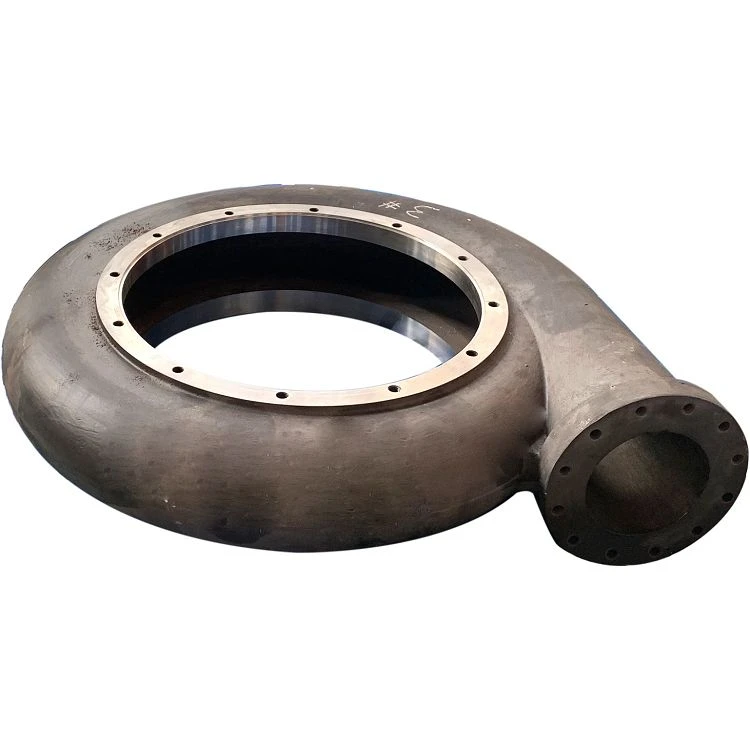
As a Pump Casting supplier, we are committed to providing our customers with high - quality pump castings. By carefully considering and managing the factors that affect the yield of pump casting, we can improve the efficiency of our production process, reduce costs, and enhance customer satisfaction. If you are in the market for reliable pump castings, including Stainless Steel Pump Casting and Wear Resistant Pump Parts, please feel free to contact us for procurement discussions. We look forward to working with you to meet your specific pump casting needs.
References
- Campbell, J. (2019). Castings. Butterworth - Heinemann.
- Kalpakjian, S., & Schmid, S. R. (2013). Manufacturing Engineering and Technology. Pearson.
-ASM Handbook Committee. (2008). ASM Handbook, Volume 15: Casting. ASM International.