Hey there! As a supplier of submersible pumps, I've seen my fair share of issues, and one of the most common ones is overheating. Overheating can not only reduce the efficiency of your submersible pump but also lead to serious damage, shortening its lifespan. So, in this blog, I'm gonna share some tips on how to prevent a submersible pump from overheating.
Understanding the Causes of Overheating
Before we dive into the prevention methods, it's important to understand what causes a submersible pump to overheat. There are several factors that can contribute to this problem:
- Blocked Inlet or Outlet: If the inlet or outlet of the pump is blocked by debris, sediment, or other foreign objects, it can restrict the flow of water through the pump. This can cause the pump to work harder, generating more heat and leading to overheating.
- Low Water Level: Submersible pumps are designed to operate underwater. If the water level drops below the recommended level, the pump may not be properly cooled by the surrounding water. This can cause the pump to overheat, especially if it continues to run for an extended period.
- Overloading: Running the pump at a higher capacity than it's designed for can also cause overheating. This can happen if you're using the pump to move more water than it can handle or if you're operating it at a higher pressure than recommended.
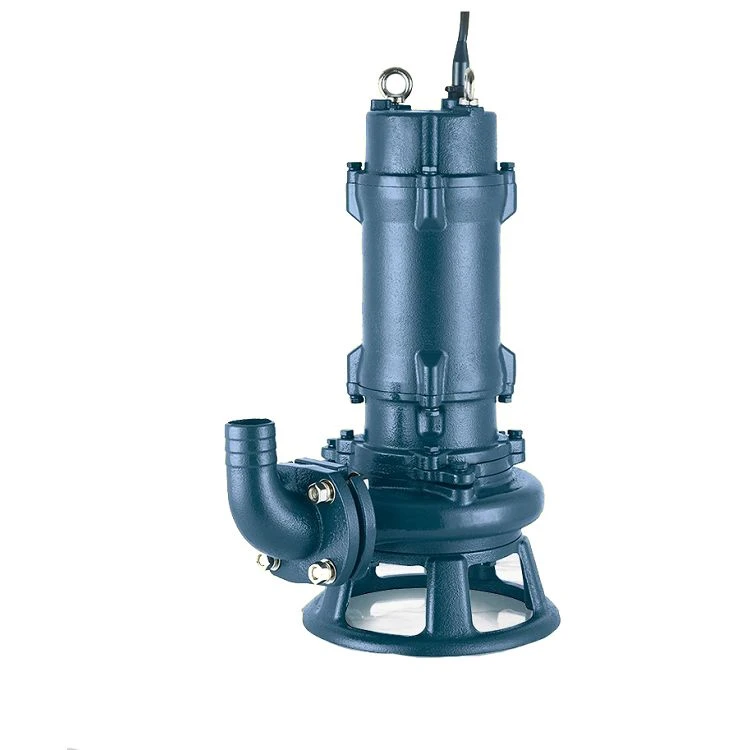
- Poor Ventilation: The Submersible Motor of a submersible pump generates heat during operation. If the motor is not properly ventilated, the heat can build up and cause the pump to overheat.
- Electrical Issues: Problems with the electrical supply, such as voltage fluctuations or a faulty wiring, can also cause the pump to overheat. These issues can lead to an increase in the current flowing through the motor, which in turn generates more heat.
Prevention Methods
Now that we know what causes overheating, let's look at some ways to prevent it:
Regular Maintenance
- Clean the Pump Regularly: Make sure to clean the inlet and outlet of the pump regularly to remove any debris or sediment that may be blocking the flow of water. You can use a soft brush or a hose to clean the pump.
- Check the Water Level: Monitor the water level in the well or tank where the pump is installed. Make sure the water level doesn't drop below the recommended level. If it does, consider installing a float switch to automatically shut off the pump when the water level gets too low.
- Inspect the Motor: Check the motor for any signs of damage or wear. Look for loose connections, frayed wires, or overheating. If you notice any issues, have them repaired or replaced by a qualified technician.
Proper Installation
- Install the Pump Correctly: Make sure the pump is installed in a location where it has enough room for proper ventilation. Avoid installing the pump in a confined space or near other heat-generating equipment.
- Use the Right Size Pump: Select a pump that is the right size for your application. Don't overload the pump by using it to move more water than it's designed for. You can consult with a professional to determine the appropriate size of the pump for your needs.
- Follow the Manufacturer's Instructions: Read and follow the manufacturer's instructions carefully when installing and operating the pump. This will ensure that the pump is installed correctly and used in a way that minimizes the risk of overheating.
Monitor the Pump
- Use a Temperature Sensor: Install a temperature sensor on the pump to monitor its temperature. This will allow you to detect any signs of overheating early and take appropriate action.
- Check the Amperage: Use an ammeter to check the amperage of the pump. If the amperage is higher than normal, it may indicate that the pump is overloaded or there is an electrical issue.
- Keep a Log: Keep a log of the pump's operation, including the temperature, amperage, and any other relevant information. This will help you identify any trends or patterns that may indicate a problem.
Protect the Pump from Electrical Issues
- Use a Voltage Stabilizer: Install a voltage stabilizer to protect the pump from voltage fluctuations. This will ensure that the pump receives a stable electrical supply, reducing the risk of overheating.
- Check the Wiring: Regularly check the wiring of the pump for any signs of damage or wear. Make sure the wiring is properly connected and insulated.
- Use a Surge Protector: Install a surge protector to protect the pump from power surges. This will help prevent damage to the pump's electrical components.
Special Considerations for Different Types of Submersible Pumps
- Submersible Sewage Pump: These pumps are designed to handle sewage and wastewater. They are more likely to get blocked by solid objects, so it's important to clean them more frequently. You may also need to install a grinder or a cutter to break up any large solids before they enter the pump.
- Mine Flameproof Submersible Sand Pump: These pumps are used in mines and other hazardous environments. They are designed to be flameproof to prevent explosions. It's important to follow the strict safety regulations when installing and operating these pumps. Make sure the pump is properly grounded and that all electrical connections are secure.
Conclusion
Preventing a submersible pump from overheating is essential to ensure its long-term performance and reliability. By understanding the causes of overheating and taking the appropriate prevention measures, you can keep your pump running smoothly and avoid costly repairs or replacements.
If you're in the market for a submersible pump or need any advice on pump maintenance, feel free to reach out. We're here to help you find the right pump for your needs and ensure that it operates efficiently and safely.

References
- "Submersible Pump Handbook" - A comprehensive guide to submersible pumps and their operation.
- Manufacturer's manuals for submersible pumps, which provide detailed information on installation, operation, and maintenance.