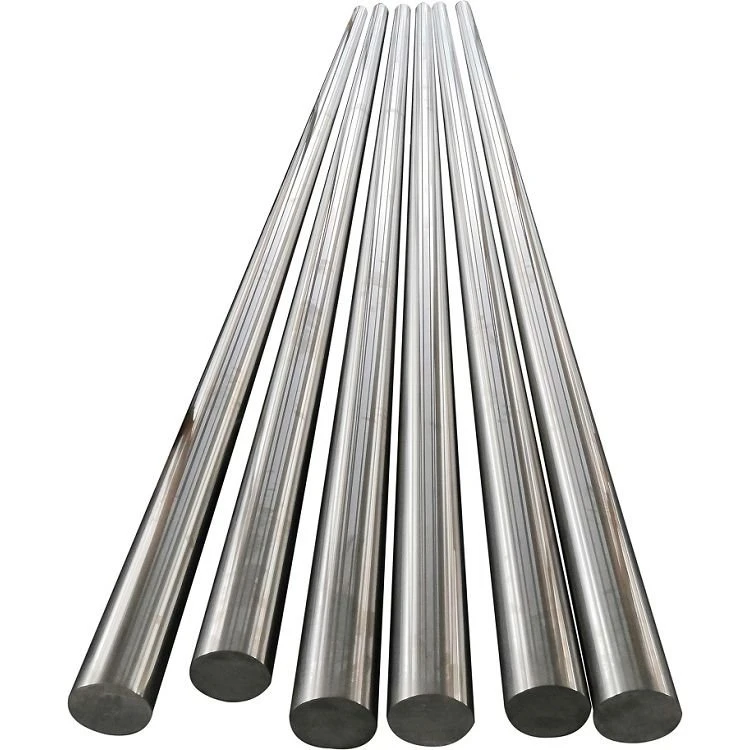
As a seasoned Pump Shaft supplier, I've witnessed firsthand the crucial role that pump shafts play in the efficient operation of various pumping systems. A damaged pump shaft can disrupt operations, lead to costly downtime, and even cause damage to other components of the pump. In this blog post, I'll share some insights on how to repair a damaged pump shaft, drawing on my experience in the industry.
Understanding the Causes of Pump Shaft Damage
Before you can repair a damaged pump shaft, it's essential to understand what caused the damage in the first place. Common causes of pump shaft damage include:
- Wear and Tear: Over time, the constant rotation and friction of the pump shaft can cause it to wear down. This is especially true in high-speed or high-pressure applications.
- Misalignment: If the pump and motor are not properly aligned, it can put additional stress on the pump shaft, leading to premature wear and damage.
- Corrosion: Exposure to corrosive substances, such as chemicals or saltwater, can cause the pump shaft to corrode, weakening its structure and reducing its lifespan.
- Fatigue: Repeated stress and vibration can cause the pump shaft to develop cracks, which can eventually lead to failure.
Assessing the Damage
Once you've identified the potential cause of the damage, the next step is to assess the extent of the damage. This will help you determine the best course of action for repair. Here are some steps to follow when assessing the damage:
- Visual Inspection: Start by visually inspecting the pump shaft for any signs of damage, such as cracks, dents, or corrosion. Look for any areas where the shaft may be bent or misaligned.
- Measure the Shaft: Use a micrometer or caliper to measure the diameter of the pump shaft at various points along its length. Compare these measurements to the manufacturer's specifications to determine if the shaft has been worn down or damaged.
- Check for Runout: Runout refers to the amount of deviation from true circularity as the shaft rotates. Excessive runout can indicate misalignment or damage to the shaft. Use a dial indicator to measure the runout of the pump shaft.
- Perform a Non-Destructive Test: If you suspect that there may be internal damage to the pump shaft, such as cracks or defects, you may want to perform a non-destructive test, such as ultrasonic testing or magnetic particle inspection.
Repairing a Damaged Pump Shaft
Once you've assessed the damage to the pump shaft, you can determine the best method for repair. Here are some common methods for repairing a damaged pump shaft:
- Shaft Grinding: If the pump shaft has been worn down or has a rough surface, you may be able to repair it by grinding the shaft to restore its original diameter and surface finish. This is a relatively simple and cost-effective repair method, but it may not be suitable for all types of damage.
- Shaft Welding: If the pump shaft has a crack or a small hole, you may be able to repair it by welding the damaged area. This method requires specialized equipment and skills, and it's important to ensure that the weld is properly prepared and executed to prevent further damage to the shaft.
- Shaft Sleeving: If the pump shaft has been severely damaged or worn down, you may need to replace the damaged section of the shaft with a sleeve. A sleeve is a cylindrical piece of metal that is installed over the damaged section of the shaft to restore its diameter and strength. This method is more complex and expensive than shaft grinding or welding, but it can be a more effective solution for severe damage.
- Shaft Replacement: In some cases, the damage to the pump shaft may be too severe to repair, and you may need to replace the entire shaft. This is the most expensive and time-consuming repair method, but it's also the most reliable solution for ensuring the long-term performance and reliability of the pump.
Preventing Future Pump Shaft Damage
Once you've repaired the damaged pump shaft, it's important to take steps to prevent future damage. Here are some tips for preventing pump shaft damage:
- Proper Installation: Ensure that the pump and motor are properly installed and aligned to prevent excessive stress and vibration on the pump shaft.
- Regular Maintenance: Schedule regular maintenance checks to inspect the pump shaft for signs of wear and damage. Replace any worn or damaged components as soon as possible to prevent further damage to the shaft.
- Lubrication: Ensure that the pump shaft is properly lubricated to reduce friction and wear. Use the recommended lubricant for your specific application, and follow the manufacturer's guidelines for lubrication intervals.
- Environmental Protection: If the pump is exposed to corrosive substances or harsh environmental conditions, take steps to protect the pump shaft from damage. This may include using corrosion-resistant materials or applying a protective coating to the shaft.
Conclusion
Repairing a damaged pump shaft can be a challenging and time-consuming process, but it's an essential part of maintaining the performance and reliability of your pumping system. By understanding the causes of pump shaft damage, assessing the extent of the damage, and choosing the right repair method, you can effectively repair a damaged pump shaft and prevent future damage. As a Pump Shaft supplier, I'm committed to providing high-quality pump shafts and repair services to help you keep your pumping system running smoothly. If you have any questions or need assistance with pump shaft repair or replacement, please don't hesitate to contact us for procurement discussions.
References
- ASME Boiler and Pressure Vessel Code
- API Standards for Pump Design and Operation
- Manufacturer's Installation, Operation, and Maintenance Manuals