As a seasoned supplier of pump parts, I've witnessed firsthand the remarkable evolution of safety features in modern pump components. These advancements not only enhance the reliability and longevity of pumps but also play a crucial role in safeguarding operators and the environment. In this blog, I'll delve into some of the key safety features found in modern pump parts and explain why they are essential for various applications.
1. Material Selection and Corrosion Resistance
One of the fundamental safety aspects of pump parts lies in the choice of materials. Modern pumps are often exposed to harsh chemicals, abrasive fluids, and extreme temperatures, which can cause corrosion and wear over time. To combat these challenges, manufacturers are increasingly using high - quality materials with excellent corrosion resistance.
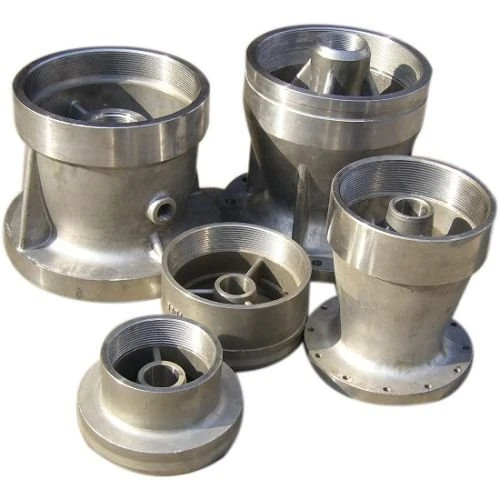
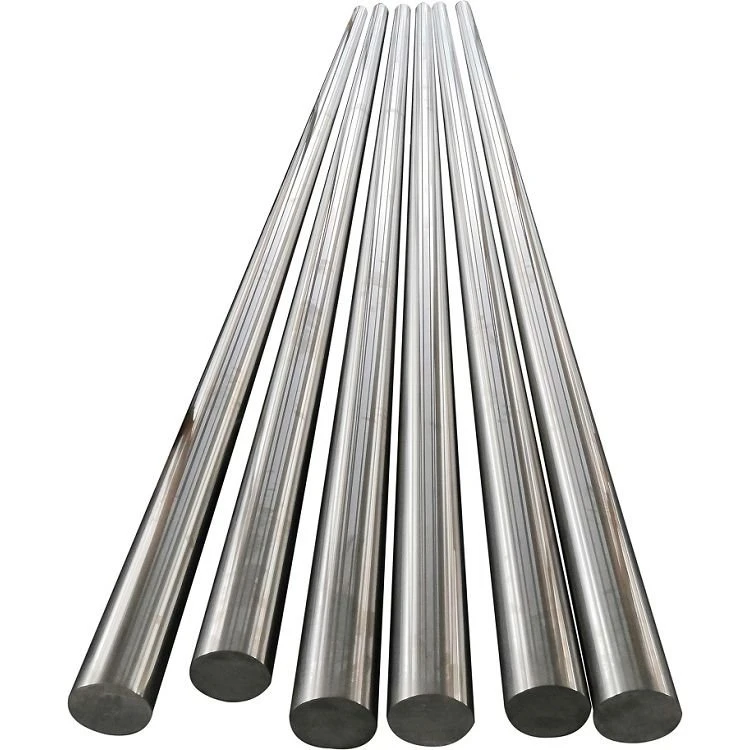
For instance, stainless steel is a popular choice for many pump components, including impellers, casings, and Pump Shaft. Stainless steel offers superior resistance to rust and chemical attack, ensuring that the pump parts maintain their structural integrity even in aggressive environments. Additionally, materials like titanium and ceramics are being utilized in specialized applications where exceptional corrosion resistance and durability are required.
Corrosion can lead to leaks, reduced pump efficiency, and even catastrophic failures. By using corrosion - resistant materials, we can prevent these issues, thereby minimizing the risk of accidents and ensuring the safe operation of the pump.
2. Sealing Systems
Effective sealing is vital for preventing fluid leakage from pumps. Leaks can pose significant safety hazards, such as exposure to hazardous chemicals, fire risks (if the fluid is flammable), and environmental contamination. Modern pump parts are equipped with advanced sealing systems to address these concerns.
Mechanical seals are one of the most common sealing solutions in modern pumps. These seals consist of two flat surfaces that are held together under pressure to prevent fluid from escaping. They are designed to be highly reliable and can withstand high pressures and temperatures. Additionally, some mechanical seals are equipped with secondary sealing elements, such as O - rings, to provide an extra layer of protection against leaks.
Packing seals are another option, especially in applications where the fluid is less aggressive. They are made of fibrous materials that are packed around the shaft to create a seal. Although packing seals may require more maintenance compared to mechanical seals, they are still a cost - effective solution for many low - pressure applications.
Properly installed and maintained sealing systems not only prevent leaks but also help to maintain the efficiency of the pump by reducing energy losses due to fluid bypass.
3. Overload Protection
Pumps can be subjected to various types of overloads, such as excessive pressure, high flow rates, or mechanical jams. These overloads can cause damage to the pump parts and may even lead to system failures. To protect against such situations, modern pump parts are often equipped with overload protection devices.
Motor overload protection is a common feature in electric pumps. It monitors the current drawn by the motor and automatically shuts off the pump if the current exceeds a pre - set limit. This helps to prevent overheating of the motor and damage to the electrical components.
Pressure relief valves are another important safety device. They are installed in the pump system to release excess pressure when it reaches a certain level. This prevents the pump from operating under excessive pressure, which could lead to bursting of the pump casing or other components.
In addition, some pumps are equipped with flow sensors that can detect abnormal flow rates. If the flow rate is too high or too low, the sensor can trigger an alarm or shut down the pump to prevent damage.
4. Shaft Protection
The pump shaft is a critical component that transfers power from the motor to the impeller. It is exposed to high stresses, vibrations, and potential misalignment, which can lead to premature failure. Modern pump parts incorporate several safety features to protect the shaft.
Shaft sleeves are often used to protect the shaft from wear and corrosion. They are made of a hard, wear - resistant material and are installed over the shaft. Shaft sleeves can be easily replaced when they become worn, extending the life of the shaft.
Couplings are used to connect the pump shaft to the motor shaft. Flexible couplings are designed to accommodate misalignment between the two shafts, reducing the stress on the shaft and preventing damage. They also help to dampen vibrations, which can improve the overall reliability of the pump.
5. Monitoring and Diagnostic Systems
Advancements in technology have enabled the integration of monitoring and diagnostic systems into modern pump parts. These systems provide real - time information about the pump's performance, allowing operators to detect potential problems before they escalate.
Temperature sensors can be installed on the motor, bearings, and other critical components to monitor their temperature. An increase in temperature can indicate a problem, such as a lack of lubrication or excessive friction. By monitoring the temperature, operators can take corrective action before the component fails.
Vibration sensors are another important tool for pump monitoring. Excessive vibration can be a sign of misalignment, imbalance, or mechanical wear. By analyzing the vibration patterns, operators can identify the source of the problem and make the necessary adjustments.
Some modern pumps are also equipped with remote monitoring capabilities, which allow operators to access the pump's performance data from a distance. This is particularly useful for large - scale industrial applications where pumps are located in remote or hard - to - reach areas.
6. Safety in Specialized Applications
In certain specialized applications, such as Sea Water Pump Parts, additional safety features are required. Sea water is highly corrosive and contains abrasive particles, which can cause rapid deterioration of pump parts.
To address these challenges, sea water pump parts are often made of materials that are specifically designed for marine environments, such as duplex stainless steel or bronze. These materials offer excellent corrosion resistance and can withstand the harsh conditions of sea water.
In addition, sea water pumps may be equipped with self - cleaning mechanisms to prevent the build - up of debris and sediment. This helps to maintain the efficiency of the pump and reduces the risk of blockages, which could lead to system failures.
Conclusion
The safety features of modern pump parts are essential for ensuring the reliable and safe operation of pumps in a wide range of applications. From material selection and sealing systems to overload protection and monitoring devices, these features work together to minimize the risk of accidents, prevent damage to the pump parts, and protect the environment.
As a pump parts supplier, I am committed to providing high - quality products that incorporate the latest safety features. Whether you are looking for a standard pump part or a customized solution for a specialized application, we have the expertise and resources to meet your needs.
If you are interested in learning more about our pump parts or have any questions regarding pump safety, please don't hesitate to contact us. We are here to assist you in selecting the right pump parts for your specific requirements and to ensure that your pump system operates safely and efficiently.
References
- "Pump Handbook" by Igor Karassik et al.
- Industry standards and guidelines related to pump safety and design, such as ANSI/HI standards.
- Technical literature from pump manufacturers and suppliers.