In the realm of fire safety, fire pumps play a pivotal role in ensuring that an adequate water supply is available to combat fires effectively. As a dedicated fire pump supplier, I have had the privilege of witnessing firsthand the diverse range of fire pumps available in the market and their specific applications. In this blog post, I will delve into the different types of fire pumps, shedding light on their features, advantages, and typical use cases.
Centrifugal Fire Pumps
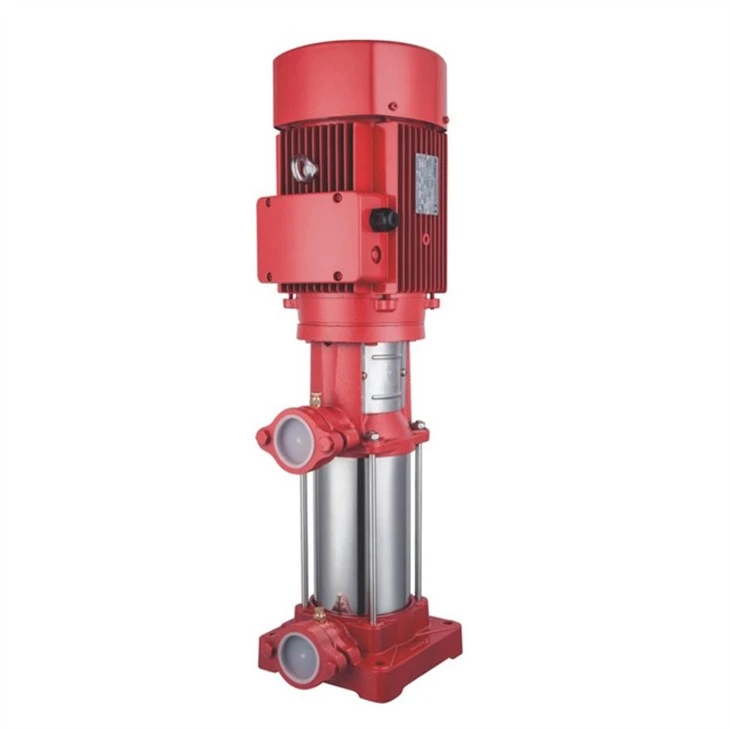
One of the most common types of fire pumps is the Centrifugal Fire Pump. These pumps operate on the principle of centrifugal force, which is generated by a rotating impeller. As water enters the pump through the suction inlet, the impeller accelerates the water, forcing it out through the discharge outlet at a high velocity.
Features and Advantages
Centrifugal fire pumps are known for their simplicity, reliability, and high efficiency. They can handle a large volume of water and are capable of generating high pressures, making them suitable for a wide range of fire protection systems. Additionally, centrifugal pumps are relatively easy to install and maintain, which makes them a popular choice among fire protection professionals.
Applications
Centrifugal fire pumps are commonly used in commercial, industrial, and residential buildings, as well as in municipal water supply systems. They are often installed in conjunction with a fire sprinkler system or a standpipe system to ensure that an adequate water supply is available in the event of a fire.
Positive Displacement Fire Pumps
Positive displacement fire pumps, on the other hand, operate by trapping a fixed amount of water and then forcing it out through the discharge outlet. Unlike centrifugal pumps, which rely on centrifugal force to move water, positive displacement pumps use mechanical means, such as pistons, gears, or screws, to displace the water.
Features and Advantages
Positive displacement fire pumps are capable of generating very high pressures, making them suitable for applications where a high-pressure water supply is required. They are also more efficient at low flow rates than centrifugal pumps, which makes them ideal for use in systems that require a constant flow of water at a high pressure.
Applications
Positive displacement fire pumps are commonly used in industrial applications, such as oil refineries, chemical plants, and power generation facilities. They are also used in some high-rise buildings, where a high-pressure water supply is required to reach the upper floors.
Vertical Turbine Fire Pumps
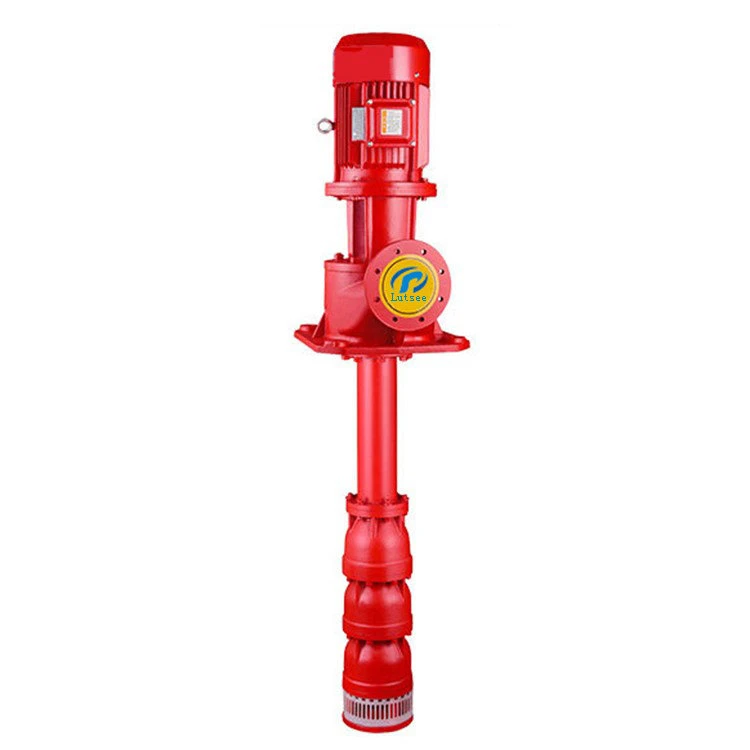
Vertical turbine fire pumps are a type of centrifugal pump that is designed to be installed vertically in a wet pit or a dry well. These pumps are commonly used in applications where the water source is located below the pump, such as in a well or a reservoir.
Features and Advantages
Vertical turbine fire pumps are known for their compact design, high efficiency, and ability to handle a wide range of flow rates and pressures. They are also relatively easy to install and maintain, which makes them a popular choice among fire protection professionals.
Applications
Vertical turbine fire pumps are commonly used in municipal water supply systems, industrial applications, and fire protection systems for large buildings and complexes. They are also used in some marine applications, such as on ships and offshore platforms.
Submersible Fire Pumps
Submersible Fire Pumps are designed to be submerged in water, which makes them ideal for use in applications where the water source is located below the pump, such as in a well or a reservoir. These pumps are typically used in conjunction with a fire sprinkler system or a standpipe system to ensure that an adequate water supply is available in the event of a fire.
Features and Advantages
Submersible fire pumps are known for their compact design, high efficiency, and ability to handle a wide range of flow rates and pressures. They are also relatively easy to install and maintain, which makes them a popular choice among fire protection professionals.
Applications
Submersible fire pumps are commonly used in residential, commercial, and industrial applications, as well as in municipal water supply systems. They are often installed in conjunction with a fire sprinkler system or a standpipe system to ensure that an adequate water supply is available in the event of a fire.
Self-Priming Fire Pumps
Self-priming fire pumps are a type of centrifugal pump that is designed to automatically prime itself without the need for external priming equipment. These pumps are commonly used in applications where the water source is located above the pump, such as in a tank or a reservoir.
Features and Advantages
Self-priming fire pumps are known for their ease of use, reliability, and ability to handle a wide range of flow rates and pressures. They are also relatively easy to install and maintain, which makes them a popular choice among fire protection professionals.
Applications
Self-priming fire pumps are commonly used in residential, commercial, and industrial applications, as well as in municipal water supply systems. They are often installed in conjunction with a fire sprinkler system or a standpipe system to ensure that an adequate water supply is available in the event of a fire.
Conclusion
In conclusion, there are several types of fire pumps available in the market, each with its own unique features, advantages, and applications. As a fire pump supplier, it is my responsibility to understand the specific needs of my customers and recommend the most suitable fire pump for their application. Whether you are looking for a centrifugal fire pump, a positive displacement fire pump, a vertical turbine fire pump, a submersible fire pump, or a self-priming fire pump, I can help you find the right solution for your fire protection needs.
If you are interested in learning more about our fire pumps or would like to discuss your specific requirements, please do not hesitate to contact us. Our team of experts is always available to answer your questions and provide you with the information you need to make an informed decision. Let's work together to ensure the safety of your property and the people who rely on it.
References
- National Fire Protection Association (NFPA). NFPA 20: Standard for the Installation of Stationary Pumps for Fire Protection. Quincy, MA: NFPA, 2020.
- American Society of Mechanical Engineers (ASME). ASME B73.1: Specification for Horizontal End Suction Centrifugal Pumps for Chemical Process. New York, NY: ASME, 2018.
- Hydraulic Institute (HI). ANSI/HI 1.1 - 1.6: Centrifugal Pumps for Design and Application. Cleveland, OH: HI, 2016.