Hey there! As a supplier of fire pumps, I often get asked about different components that are crucial for the proper functioning of these life - saving devices. One such component that doesn't always get the spotlight but is super important is the fire pump suction strainer. So, let's dig into what it is and why it matters.
What the Heck is a Fire Pump Suction Strainer?
A fire pump suction strainer is basically a filter device installed at the inlet of a fire pump. Its main job is to prevent large debris, like leaves, twigs, rocks, and other junk, from getting into the pump. You see, when a fire breaks out, the fire pump needs to draw water from a source, which could be a lake, a reservoir, or a water tank. These water sources might have all sorts of stuff floating around in them. If this debris makes its way into the pump, it can cause some serious problems.
Why Do We Need It?
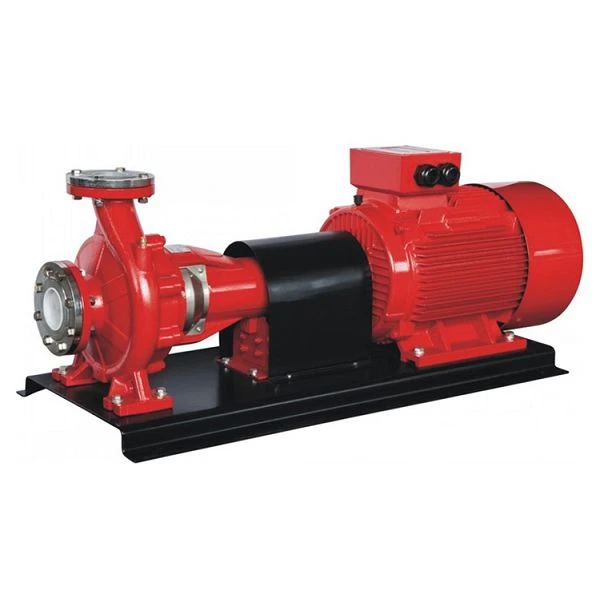
First off, it protects the pump. A fire pump is a complex and expensive piece of equipment. If large particles enter the pump, they can damage the impellers, the casing, or other internal parts. The impellers are like the heart of the centrifugal fire pump Centrifugal Fire Pump. They spin at high speeds to create the pressure needed to push water through the fire hoses. Even a small piece of debris can cause imbalance in the impellers, leading to reduced performance and eventually, a breakdown.
Secondly, it ensures a steady flow of water. A clogged pump due to debris can restrict the water flow. And when it comes to fighting fires, every drop of water counts. You need a consistent and strong flow to reach the flames and put them out effectively. Without a suction strainer, the pump might struggle to draw water, and the firefighters would be left with a weak stream, which is no good in a real - life fire situation.
How Does It Work?
The design of a fire pump suction strainer is pretty straightforward. It's usually made of a metal frame with a fine mesh or perforated plate attached to it. The mesh size is carefully chosen to allow water to pass through easily while blocking larger particles. When the pump starts drawing water, the water has to pass through this mesh. The debris gets caught on the outside of the mesh, and only clean water enters the pump.
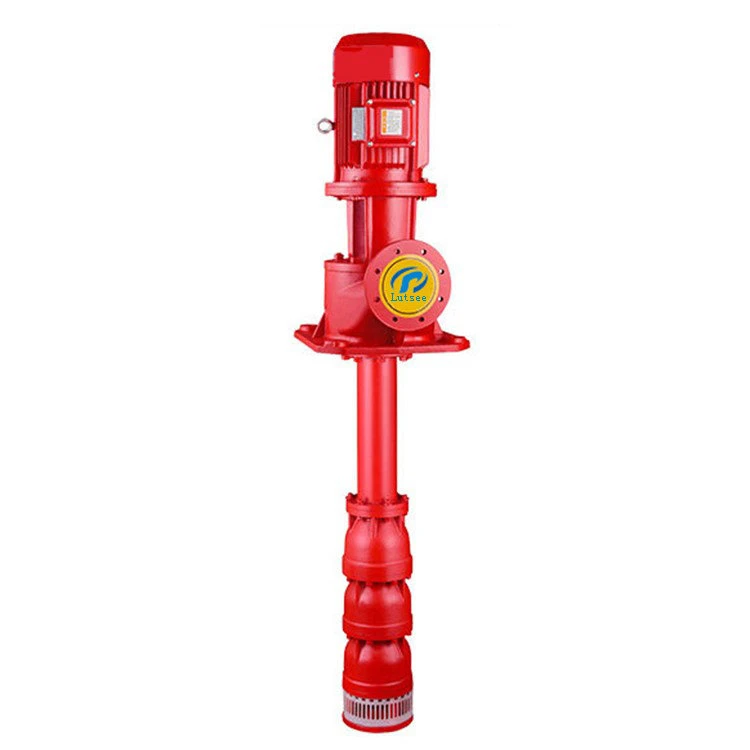
Some suction strainers are designed to be self - cleaning. They use mechanisms like back - flushing or rotating parts to remove the accumulated debris. This is especially useful in situations where the water source has a high concentration of debris. For submersible fire pumps Submersible Fire Pump, the suction strainer is often an integral part of the pump's design. It's located at the bottom of the pump unit, where it can effectively filter the water before it enters the pump.
Types of Fire Pump Suction Strainers
There are a few different types of suction strainers available, and the choice depends on the specific application and the characteristics of the water source.
Basket Strainers
These are the most common type. They have a basket - like shape with a fine mesh. They can hold a relatively large amount of debris before they need to be cleaned. Basket strainers are great for applications where the water source has a moderate amount of debris.
Y - Strainers
Y - strainers are shaped like the letter "Y". They are often used in smaller fire pump systems or in situations where space is limited. They are easy to install and maintain, but they might not be able to hold as much debris as basket strainers.
Duplex Strainers
Duplex strainers have two baskets or chambers. While one chamber is in use, the other can be cleaned or serviced without shutting down the pump. This is ideal for applications where continuous operation is required, like in large industrial facilities or high - rise buildings.
Maintenance and Care
Proper maintenance of the fire pump suction strainer is essential to keep the fire pump working at its best. Regular inspections are a must. You should check the strainer for any signs of damage, like holes in the mesh or a bent frame. If there are any issues, the strainer should be repaired or replaced immediately.
Cleaning the strainer is also important. How often you need to clean it depends on the water source. If the water has a lot of debris, you might need to clean it after every use or at least once a week. For cleaner water sources, monthly inspections and cleaning might be sufficient.
When cleaning the strainer, make sure to use the right tools. A soft brush can be used to remove the debris from the mesh. Avoid using sharp objects that could damage the mesh.
Conclusion
In a nutshell, the fire pump suction strainer is a small but vital component of any fire pump system. It protects the pump, ensures a steady water flow, and helps in effectively fighting fires. As a fire pump supplier, I know how important it is to have high - quality suction strainers as part of the overall package.
If you're in the market for a fire pump or need to replace your existing suction strainer, don't hesitate to reach out. We offer a wide range of fire pumps, including Centrifugal Fire Pump and Submersible Fire Pump, along with top - notch suction strainers. Let's have a chat about your specific needs and see how we can help you keep your property and people safe from fires.
References
- NFPA 20: Standard for the Installation of Stationary Pumps for Fire Protection
- Fire Protection Handbook, National Fire Protection Association