Simulation software has emerged as a powerful tool in the field of cast iron casting, revolutionizing the way we approach the manufacturing process. As a seasoned supplier in the cast iron casting industry, I've witnessed firsthand the transformative impact of simulation software on our operations, product quality, and overall business efficiency. In this blog post, I'll explore the various applications of simulation software in cast iron casting and how it has become an indispensable asset for our company.
Design Optimization
One of the primary applications of simulation software in cast iron casting is design optimization. Before the advent of simulation technology, casting designers relied heavily on trial-and-error methods to develop new products. This approach was not only time-consuming and costly but also often resulted in suboptimal designs.
With simulation software, we can now create virtual models of the casting process and test different design concepts without the need for physical prototypes. The software allows us to simulate the flow of molten metal, heat transfer, solidification, and stress distribution during the casting process. By analyzing these simulations, we can identify potential design flaws, such as hot spots, shrinkage porosity, and residual stresses, and make necessary adjustments to the design before production.
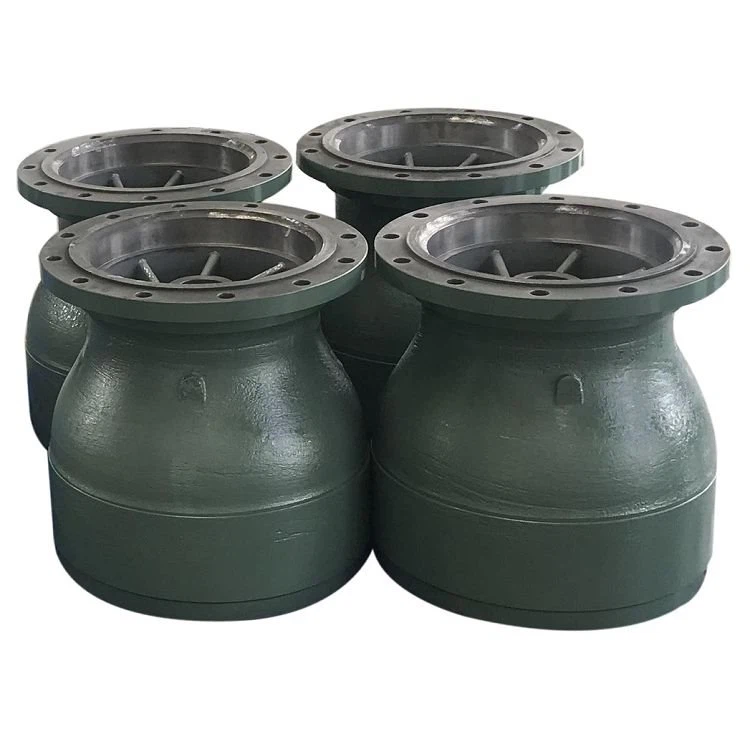
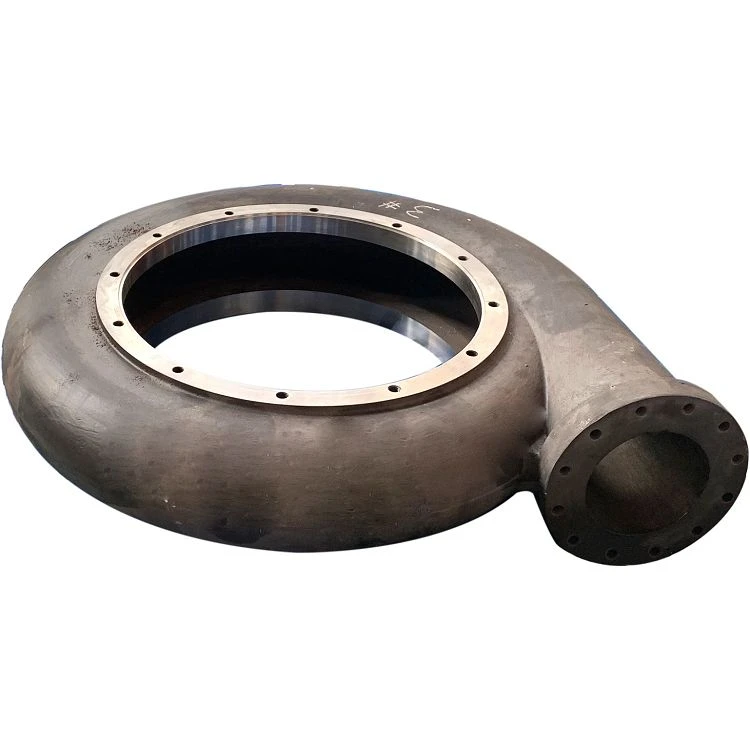
For example, when designing Wear Resistant Pump Parts, simulation software helps us optimize the shape and thickness of the parts to ensure uniform filling and solidification. This reduces the risk of defects and improves the overall performance and durability of the pump parts. Similarly, in the case of Stainless Steel Pump Casting, simulation allows us to fine-tune the gating and riser systems to minimize the formation of porosity and improve the surface finish of the castings.
Process Control
Simulation software also plays a crucial role in process control during cast iron casting. By simulating the casting process, we can predict the behavior of the molten metal under different operating conditions, such as pouring temperature, pouring speed, and mold temperature. This enables us to optimize the process parameters and ensure consistent quality in every casting.
For instance, the software can simulate the effect of pouring temperature on the fluidity of the molten metal. If the pouring temperature is too low, the metal may not fill the mold completely, resulting in incomplete castings. On the other hand, if the pouring temperature is too high, it can lead to excessive shrinkage and the formation of defects. By using simulation software, we can determine the optimal pouring temperature range for each casting and adjust the process accordingly.
In addition, simulation software can help us analyze the impact of mold design and cooling rate on the solidification process. By optimizing the mold design and cooling channels, we can control the cooling rate of the casting and minimize the formation of residual stresses. This is particularly important for Ductile Iron Casting, where proper control of the solidification process is essential for achieving the desired mechanical properties.
Quality Assurance
Quality assurance is a top priority in the cast iron casting industry, and simulation software has become an invaluable tool for ensuring the quality of our products. By simulating the casting process, we can identify potential quality issues early in the design stage and take preventive measures to eliminate them.
For example, simulation software can detect the presence of shrinkage porosity, which is a common defect in cast iron castings. Shrinkage porosity occurs when the molten metal solidifies and shrinks, leaving behind small voids in the casting. These voids can weaken the casting and reduce its mechanical properties. By simulating the solidification process, we can identify the areas where shrinkage porosity is likely to occur and design appropriate riser systems to feed the molten metal into these areas and prevent the formation of voids.
In addition, simulation software can help us evaluate the impact of different alloy compositions and heat treatment processes on the mechanical properties of the castings. By simulating these processes, we can optimize the alloy composition and heat treatment parameters to achieve the desired strength, hardness, and ductility of the castings. This ensures that our products meet the strict quality standards of our customers.
Cost Reduction
Another significant advantage of using simulation software in cast iron casting is cost reduction. By optimizing the design and process parameters, we can reduce the number of physical prototypes and trials, which in turn reduces the cost of tooling, materials, and labor.
For example, instead of producing multiple physical prototypes to test different design concepts, we can use simulation software to create virtual prototypes and evaluate their performance. This saves time and money by eliminating the need for expensive tooling and machining operations. In addition, by optimizing the process parameters, we can reduce the scrap rate and improve the yield of the casting process, which further reduces the cost of production.
Furthermore, simulation software can help us identify potential problems in the casting process before they occur, which allows us to take corrective actions and avoid costly rework and production delays. This improves the overall efficiency of our operations and reduces the cost of quality control.
Environmental Sustainability
In today's world, environmental sustainability is an important consideration for businesses in all industries. Simulation software can help us reduce the environmental impact of our cast iron casting operations by optimizing the use of resources and reducing waste.
For example, by simulating the casting process, we can optimize the gating and riser systems to minimize the amount of excess metal used in the casting. This reduces the consumption of raw materials and energy, as well as the amount of waste generated during the casting process. In addition, by reducing the scrap rate and improving the yield of the casting process, we can further reduce the environmental impact of our operations.
Furthermore, simulation software can help us evaluate the environmental impact of different casting processes and materials. By choosing the most environmentally friendly options, we can reduce our carbon footprint and contribute to a more sustainable future.
Conclusion
In conclusion, simulation software has become an essential tool in the cast iron casting industry. Its applications in design optimization, process control, quality assurance, cost reduction, and environmental sustainability have revolutionized the way we approach the manufacturing process. As a cast iron casting supplier, we are committed to leveraging the latest simulation technology to improve the quality of our products, reduce costs, and enhance our environmental performance.
If you are interested in learning more about our cast iron casting products or how simulation software can benefit your business, please feel free to contact us for a consultation. We look forward to discussing your specific requirements and providing you with the best solutions for your casting needs.
References
- Campbell, J. (2003). Castings. Butterworth-Heinemann.
- Krane, M. J., & Campbell, J. (2012). Principles of Metal Casting. ASM International.
- Tiryakioglu, M., & Kaya, N. (2018). Ductile Iron Castings: Fundamentals and Applications. ASM International.