Hey there! I'm a supplier of Submersible Motors, and I've seen my fair share of issues with these things over the years. In this blog, I'll be diving into the common failures of submersible motors. Whether you're a long - time user or just starting to look into these motors, this info could save you a lot of headaches.
Let's start with electrical failures. One of the most common electrical problems is insulation breakdown. You see, submersible motors are constantly in contact with water, and over time, water can seep into the motor windings. When this happens, the insulation that's supposed to keep the electrical current in place starts to break down. This can lead to short - circuits, which are a real pain in the neck. Not only can they damage the motor itself, but they can also pose a safety hazard. If you want to learn more about Submersible Motors and how to avoid these issues, check out Submersible Motor.
Another electrical failure is overloading. Sometimes, users try to push the motor beyond its limits. Maybe they're using it in a situation where it has to work harder than it's designed for, like pumping water from a really deep well or handling a higher volume of fluid than it can handle. When a motor is overloaded, it draws more current than normal. This extra current generates a lot of heat, and heat is the enemy of electrical components. Over time, the excessive heat can damage the windings and other parts of the motor, eventually leading to failure.
Now, let's talk about mechanical failures. Bearing failure is a big one. Bearings are like the joints of the motor. They allow the shaft to rotate smoothly. But in a submersible environment, bearings are exposed to water and contaminants. These can cause corrosion and wear on the bearings. As the bearings start to wear out, the shaft may not rotate as smoothly as it should. This can lead to increased vibration, which in turn can damage other parts of the motor. If you notice your motor vibrating more than usual, it could be a sign that the bearings are on their way out.
Seal failure is also a common mechanical issue. The seals in a submersible motor are there to keep water out. But they're under a lot of pressure, especially when the motor is operating at depth. Over time, the seals can degrade due to factors like age, temperature changes, and exposure to chemicals in the water. Once the seals fail, water can get into the motor housing, causing all sorts of problems, from electrical shorts to corrosion of internal components.
Corrosion is a major problem for submersible motors. Since they're constantly in water, they're at a high risk of corrosion. The metal parts of the motor, such as the housing, shaft, and internal components, can start to rust. Corrosion weakens the structural integrity of the motor. It can also cause parts to seize up or malfunction. For example, if the corrosion affects the impeller, it won't be able to move water efficiently, and the motor will have to work harder, which can lead to other issues like overheating and overloading.

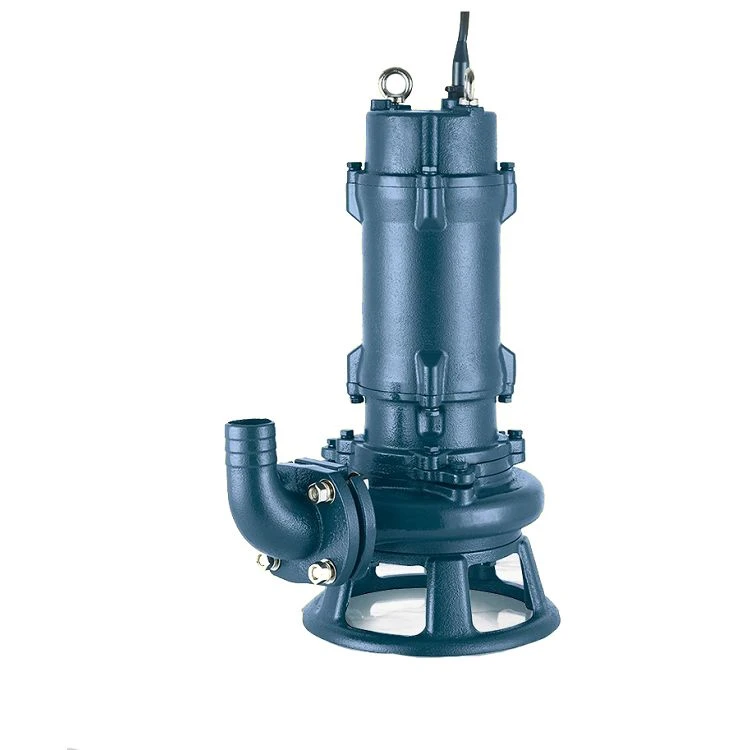
Inadequate cooling is another factor that can lead to motor failure. Submersible motors rely on the surrounding water to cool them down. But if the water flow around the motor is restricted, or if the motor is in water that's too warm, it won't be able to dissipate heat effectively. This can cause the motor to overheat, which as I mentioned earlier, can damage the electrical and mechanical components.
Now, let's look at some failures related to the environment. If the motor is used in water that has a high concentration of sand or other abrasive particles, it can cause a lot of wear and tear. These particles can get into the motor and damage the impeller, bearings, and other moving parts. For applications where there's a lot of sand, a Mine Flameproof Submersible Sand Pump might be a better option.
Also, if the water has a high level of chemicals, it can be corrosive to the motor. Different chemicals can react with the metal parts of the motor in various ways, causing corrosion and degradation. For example, acidic water can eat away at the metal, while alkaline water can cause deposits to form on the components.
In some cases, improper installation can lead to motor failure. If the motor isn't installed correctly, it may not operate efficiently. For example, if the motor is not properly aligned, it can cause excessive vibration and wear on the bearings and other parts. Also, if the electrical connections are not made properly, it can lead to electrical problems like short - circuits and overheating.
So, how can you prevent these common failures? Regular maintenance is key. You should check the motor regularly for signs of wear, corrosion, and other issues. Make sure to clean the motor and its components to remove any dirt, sand, or other contaminants. Check the seals and bearings for damage and replace them if necessary. Also, follow the manufacturer's guidelines for operating the motor within its specified limits.
If you're in the market for a submersible motor or need to replace a failing one, I'm here to help. As a supplier, I have a wide range of high - quality submersible motors that are designed to handle different applications. Whether you need a motor for a small domestic well or a large industrial pumping system, I can provide you with the right solution. And if you're dealing with sewage pumping, I also have Submersible Sewage Pump options available.
If you're interested in learning more or want to discuss your specific needs, don't hesitate to reach out. We can have a chat about the best motor for your situation and work out a deal that suits you.
References:
- General knowledge and experience in the submersible motor industry.
- Manufacturer's manuals and technical documents for submersible motors.