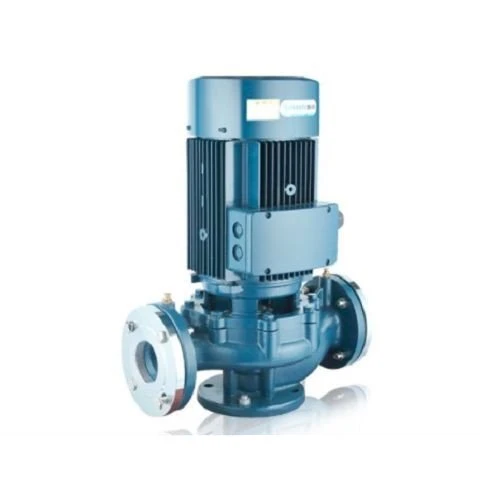
As a supplier of Vertical In-Line Pumps, I've witnessed firsthand the growing interest in using these pumps for gas-liquid mixtures. Vertical In-Line Pumps offer numerous advantages, such as compact design, easy installation, and efficient operation. However, they also face several challenges when dealing with gas-liquid mixtures. In this blog post, I'll explore these challenges in detail to provide a comprehensive understanding for anyone considering using our Vertical In Line Pump for such applications.
Cavitation
One of the most significant challenges when using a vertical in-line pump for gas-liquid mixtures is cavitation. Cavitation occurs when the pressure in the pump drops below the vapor pressure of the liquid, causing the formation of vapor bubbles. When these bubbles collapse, they can generate high-pressure shock waves that damage the pump impeller, casing, and other components. In gas-liquid mixtures, the presence of gas can exacerbate cavitation issues.
The gas phase in the mixture can act as a nucleation site for bubble formation, increasing the likelihood of cavitation. Additionally, the compressibility of the gas can cause the bubbles to collapse more violently, leading to more severe damage. To mitigate cavitation, it's essential to ensure that the pump is properly sized and operated within its recommended range. This may involve adjusting the flow rate, pressure, or temperature of the gas-liquid mixture.
Reduced Pump Efficiency
Another challenge is the reduced efficiency of the pump when handling gas-liquid mixtures. The presence of gas in the liquid can disrupt the flow pattern within the pump, causing the impeller to work less effectively. This results in a decrease in the pump's head and flow rate, as well as an increase in power consumption.
The gas can also cause the liquid to separate from the impeller blades, reducing the transfer of energy from the impeller to the fluid. This phenomenon, known as gas binding, can lead to a complete loss of pump performance if not addressed. To improve efficiency, it may be necessary to use a pump with a design specifically optimized for gas-liquid mixtures. Some pumps feature special impeller designs or internal components that help to maintain a more stable flow and reduce the impact of gas on performance.
Wear and Tear
Gas-liquid mixtures can also cause increased wear and tear on the pump components. The presence of gas bubbles and the resulting cavitation can erode the impeller, casing, and seals. The abrasive nature of the gas-liquid mixture can also cause damage to the pump's internal surfaces over time.
In addition to cavitation erosion, the gas can cause chemical reactions with the pump materials, leading to corrosion. This is especially true if the gas contains corrosive substances such as acids or alkalis. To minimize wear and tear, it's important to select pump materials that are resistant to erosion and corrosion. Regular maintenance and inspection of the pump are also crucial to detect and address any signs of damage early on.
Gas Entrainment and Separation
Proper gas entrainment and separation are critical when using a vertical in-line pump for gas-liquid mixtures. If the gas is not properly entrained in the liquid, it can accumulate in the pump and cause problems such as cavitation and reduced efficiency. On the other hand, if the gas is not separated from the liquid after passing through the pump, it can cause issues in the downstream system.
To ensure proper gas entrainment, the pump inlet design should be optimized to promote the mixing of gas and liquid. This may involve using special inlet devices or baffles to create a more turbulent flow. For gas separation, downstream equipment such as separators or degassers may be required to remove the gas from the liquid before it enters the next stage of the process.
Vibration and Noise
The presence of gas in the liquid can also lead to increased vibration and noise in the pump. The uneven flow caused by the gas bubbles can create unbalanced forces on the impeller, resulting in vibration. This vibration can not only cause discomfort for operators but also lead to premature failure of the pump components.
The collapse of gas bubbles during cavitation can also generate significant noise. High levels of noise can be a safety hazard and may indicate a serious problem with the pump. To reduce vibration and noise, it's important to ensure that the pump is properly installed and aligned. Anti-vibration mounts and dampers can also be used to absorb the vibrations and minimize their impact on the pump and surrounding equipment.
Comparison with Other Pump Types
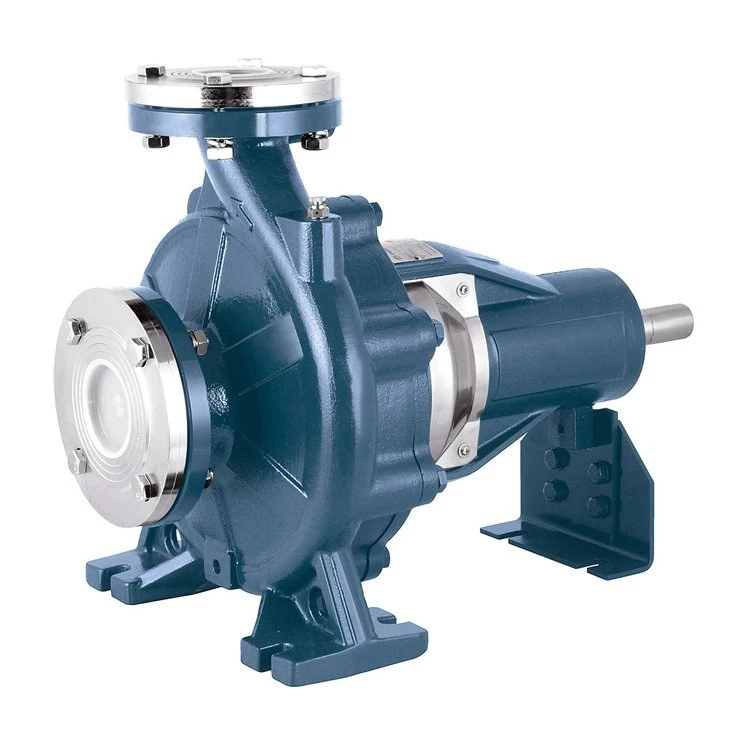
When considering the use of a vertical in-line pump for gas-liquid mixtures, it's useful to compare it with other types of pumps, such as End Suction Centrifugal Pump and Horizontal Split Casing Centrifugal Pump.
End suction centrifugal pumps are commonly used for a wide range of applications, but they may face similar challenges as vertical in-line pumps when dealing with gas-liquid mixtures. They typically have a simpler design and are easier to install and maintain, but their performance may be more affected by the presence of gas.
Horizontal split casing centrifugal pumps, on the other hand, are often more robust and can handle higher flow rates and pressures. They may be better suited for applications where large volumes of gas-liquid mixtures need to be pumped. However, they are usually larger and more expensive than vertical in-line pumps.
Conclusion
Using a vertical in-line pump for gas-liquid mixtures presents several challenges, including cavitation, reduced efficiency, wear and tear, gas entrainment and separation issues, and vibration and noise. However, with proper design, installation, and operation, these challenges can be effectively managed.
As a supplier of Vertical In-Line Pumps, we have the expertise and experience to help you select the right pump for your specific gas-liquid mixture application. Our pumps are designed to minimize the impact of these challenges and provide reliable and efficient performance.
If you're considering using a vertical in-line pump for your gas-liquid mixture application, we encourage you to contact us for a detailed consultation. Our team of experts can work with you to understand your requirements, recommend the best pump solution, and provide ongoing support and maintenance services. Let's work together to overcome the challenges and achieve optimal performance in your pumping system.
References
- Stepanoff, A. J. (1957). Centrifugal and Axial Flow Pumps: Theory, Design, and Application. John Wiley & Sons.
- Karassik, I. J., Messina, J. P., Cooper, P. T., & Heald, C. C. (2008). Pump Handbook. McGraw-Hill.
- Gulich, J. F. (2010). Centrifugal Pumps. Springer.