In the realm of fluid handling systems, pumps play a pivotal role in various industrial, commercial, and residential applications. At the heart of every pump lies the impeller, a crucial component that significantly influences the pump's performance and energy efficiency. As a trusted Pump Impeller supplier, I have witnessed firsthand the transformative impact of a well - designed pump impeller on energy savings. In this blog post, I will delve into the energy - saving benefits of a well - designed pump impeller and shed light on how it can revolutionize your pumping operations.
Understanding the Basics of Pump Impellers
Before we explore the energy - saving benefits, let's first understand what a pump impeller is and how it works. A pump impeller is a rotating component with vanes or blades that imparts energy to the fluid being pumped. When the impeller rotates, it creates a centrifugal force that moves the fluid from the center of the impeller to the outer edges, increasing the fluid's velocity and pressure.
The design of the impeller, including the shape, number, and angle of the vanes, has a profound impact on the pump's performance. A well - designed impeller can efficiently transfer energy from the motor to the fluid, minimizing energy losses and maximizing the pump's output.
Energy - Saving Benefits of a Well - Designed Pump Impeller
1. Improved Hydraulic Efficiency
One of the primary energy - saving benefits of a well - designed pump impeller is improved hydraulic efficiency. Hydraulic efficiency refers to the ratio of the useful energy output of the pump to the energy input. A well - designed impeller can reduce the internal losses within the pump, such as friction losses and recirculation losses.
For example, an impeller with properly shaped vanes can guide the fluid smoothly through the pump, reducing turbulence and eddy currents. This results in less energy being wasted in the form of heat and noise, allowing the pump to convert a higher percentage of the input energy into useful work. According to industry studies, a well - designed impeller can improve the hydraulic efficiency of a pump by up to 15 - 20%. This means that for the same amount of energy input, the pump can deliver more fluid or achieve a higher pressure, resulting in significant energy savings over time.
2. Reduced Motor Power Requirements
A well - designed pump impeller can also reduce the motor power requirements of the pump. Since the impeller is more efficient at transferring energy to the fluid, it requires less power from the motor to achieve the desired flow rate and pressure.
For instance, in a pumping system where the flow rate and pressure requirements are fixed, a pump with a well - designed impeller can operate with a smaller motor compared to a pump with a poorly designed impeller. This not only reduces the initial capital cost of the motor but also results in lower energy consumption during operation. A smaller motor consumes less electricity, which translates into lower energy bills and a reduced carbon footprint.
3. Extended Pump Lifespan
Another energy - saving benefit of a well - designed pump impeller is an extended pump lifespan. A well - designed impeller operates more smoothly and with less stress on the pump components. This reduces the wear and tear on the impeller, bearings, seals, and other parts of the pump.
When the pump components last longer, there is less need for frequent replacements and maintenance. Maintenance activities such as impeller replacement, bearing lubrication, and seal repairs require energy for the equipment used and the labor involved. By extending the pump lifespan, a well - designed impeller reduces the overall energy consumption associated with pump maintenance and replacement.
4. Optimized System Performance
A well - designed pump impeller can optimize the performance of the entire pumping system. In many industrial applications, pumps are part of a larger system that includes pipes, valves, and other components. A pump with an efficient impeller can operate in harmony with the other components of the system, ensuring that the system operates at its optimal efficiency.
For example, in a water distribution system, a well - designed impeller can maintain a consistent flow rate and pressure throughout the network. This reduces the need for additional pumps or pressure - boosting devices, which consume additional energy. By optimizing the system performance, a well - designed impeller can eliminate energy - wasting practices and improve the overall energy efficiency of the system.
Types of Pump Impellers and Their Energy - Saving Potential
As a Pump Impeller supplier, we offer a wide range of impellers made from different materials to suit various applications. Each type of impeller has its own unique characteristics and energy - saving potential.
Cast Iron Pump Impeller
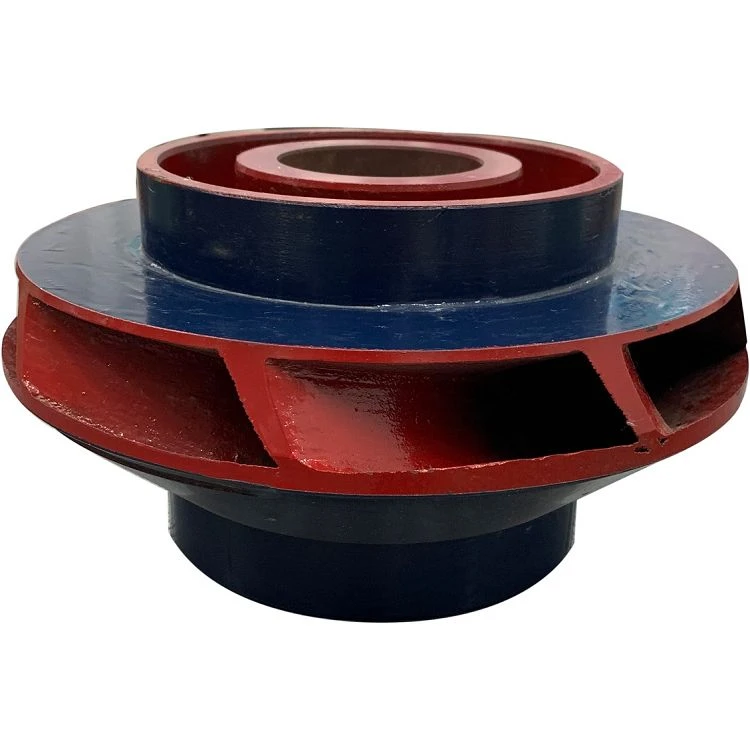
Cast Iron Pump Impeller is a popular choice for many industrial and commercial applications. Cast iron is a durable and cost - effective material that can withstand high pressures and abrasive fluids. A well - designed cast iron impeller can provide good hydraulic efficiency, especially in applications where the flow rate is relatively constant. The robust nature of cast iron ensures that the impeller can maintain its shape and performance over a long period, resulting in consistent energy savings.
Stainless Steel Pump Impeller
Stainless Steel Pump Impeller is ideal for applications where corrosion resistance is required. Stainless steel impellers are commonly used in the food and beverage industry, chemical processing, and water treatment plants. A well - designed stainless steel impeller not only offers excellent corrosion resistance but also high hydraulic efficiency. The smooth surface of stainless steel reduces friction losses, allowing the impeller to transfer energy to the fluid more efficiently.
Bronze Pump Impeller
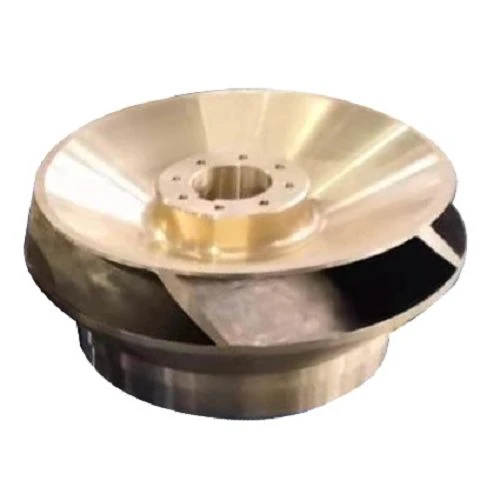
Bronze Pump Impeller is known for its excellent wear resistance and low friction coefficient. Bronze impellers are often used in marine applications, fire protection systems, and high - pressure pumping applications. A well - designed bronze impeller can operate with high efficiency, even in demanding environments. The low friction of bronze reduces energy losses within the pump, resulting in energy savings and improved performance.
How to Choose the Right Pump Impeller for Energy Savings
When selecting a pump impeller for energy savings, several factors need to be considered.
1. Application Requirements
The first step is to understand the specific requirements of your application, such as the flow rate, pressure, fluid type, and temperature. Different applications may require different types of impellers. For example, if you are pumping a highly viscous fluid, an impeller with a larger diameter and wider vanes may be more suitable to ensure efficient flow.
2. Pump Compatibility
The impeller must be compatible with the pump model and size. It is important to consult the pump manufacturer's specifications to ensure that the impeller you choose is the right fit for your pump. A mismatched impeller can lead to poor performance and increased energy consumption.
3. Hydraulic Efficiency
Look for an impeller with high hydraulic efficiency. This can be determined by reviewing the impeller's performance curves, which show the relationship between the flow rate, pressure, and efficiency. A well - designed impeller will have a flatter and more efficient performance curve, indicating that it can maintain high efficiency over a wide range of operating conditions.
Conclusion
In conclusion, a well - designed pump impeller offers significant energy - saving benefits, including improved hydraulic efficiency, reduced motor power requirements, extended pump lifespan, and optimized system performance. As a Pump Impeller supplier, we are committed to providing our customers with high - quality impellers that are designed to maximize energy savings and improve pump performance.
If you are looking to upgrade your pumping system or are in the market for a new pump impeller, we invite you to contact us for a consultation. Our team of experts can help you choose the right impeller for your application and guide you through the process of installation and maintenance. By investing in a well - designed pump impeller, you can not only save energy and reduce your operating costs but also contribute to a more sustainable future.
References
- "Pump Handbook" by Igor Karassik, Joseph P. Messina, Paul Cooper, and Charles C. Heald.
- Industry reports on pump efficiency and energy savings from organizations such as the Hydraulic Institute.
- Technical papers on pump impeller design and performance from academic journals in the field of fluid mechanics.