Hey there! I'm a supplier of fire pumps, and today I wanna talk about corrosion protection for fire pumps. It's super important because corrosion can mess up the performance and lifespan of these crucial pieces of equipment.
First off, let's understand what corrosion is. In simple terms, it's a chemical reaction that makes metals break down when they come into contact with things like water, oxygen, or other chemicals. For fire pumps, which are often exposed to water (either in a storage tank or from the surrounding environment), corrosion can be a real headache.
There are different types of corrosion that can affect fire pumps. One common type is uniform corrosion. This happens when the entire surface of the metal is attacked evenly. It might start as a little bit of rust, but over time, it can eat away at the pump's parts, making them weaker and less effective. Another type is pitting corrosion. This is more dangerous because it creates small holes or pits in the metal. These pits can quickly spread and cause structural damage, which can lead to leaks or even complete pump failure.
So, how do we protect fire pumps from corrosion? Well, one of the most basic methods is using coatings. There are various types of coatings available, and they work by creating a barrier between the metal surface of the pump and the corrosive environment. For example, epoxy coatings are really popular. They're tough and can resist a lot of different chemicals and environmental conditions. When we apply an epoxy coating to a fire pump, it forms a hard, protective layer that keeps water and oxygen from reaching the metal.
Another option is using galvanized coatings. Galvanization involves coating the metal with a layer of zinc. Zinc is more reactive than most metals used in fire pumps, so when it's exposed to a corrosive environment, it corrodes first, protecting the underlying metal. It's like having a sacrificial layer that takes the hit for the pump.
Material selection also plays a huge role in corrosion protection. When we're making fire pumps, we choose materials that are naturally resistant to corrosion. Stainless steel is a great choice. It contains chromium, which forms a thin, protective oxide layer on the surface. This layer prevents further corrosion and makes the pump more durable. Some of our Submersible Fire Pump models are made with high - quality stainless steel to ensure long - term corrosion resistance.
For Centrifugal Fire Pump, we also pay close attention to the materials. The impellers, casings, and other critical parts are often made from corrosion - resistant alloys. These alloys are designed to withstand the harsh conditions that fire pumps might face, like high - pressure water and exposure to different chemicals in the water supply.
In addition to coatings and material selection, proper maintenance is essential for corrosion protection. Regular inspections are a must. We need to check the pump for any signs of corrosion, like rust spots or pitting. If we catch corrosion early, we can take steps to stop it from getting worse. For example, if we see a small area of rust, we can clean it off and apply a new coating.
We also need to keep the pump clean. Dirt, debris, and chemicals can build up on the pump's surface and accelerate corrosion. So, we recommend washing the pump regularly, especially if it's been exposed to a dirty or corrosive environment.
Water treatment is another aspect of corrosion protection. If the water that the fire pump is using has a high level of corrosive substances, like acids or salts, it can speed up the corrosion process. By treating the water, we can reduce the concentration of these substances and make the water less harmful to the pump. There are different water treatment methods, such as using water softeners or adding corrosion inhibitors.
Now, let's talk about the importance of corrosion protection in the real world. Fire pumps are critical for fire protection systems. In the event of a fire, they need to work properly to supply water to the sprinklers or other firefighting equipment. If a fire pump is corroded, it might not be able to deliver the required amount of water or might fail completely. This can have serious consequences, putting lives and property at risk.
For commercial buildings, industrial facilities, and even residential areas, having a reliable fire pump is non - negotiable. And corrosion protection is the key to ensuring that these pumps remain reliable over time.
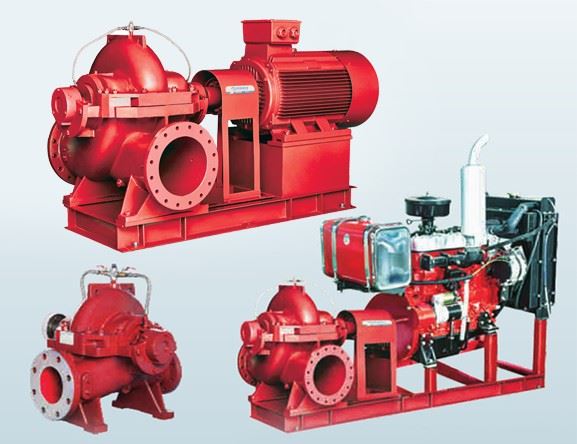
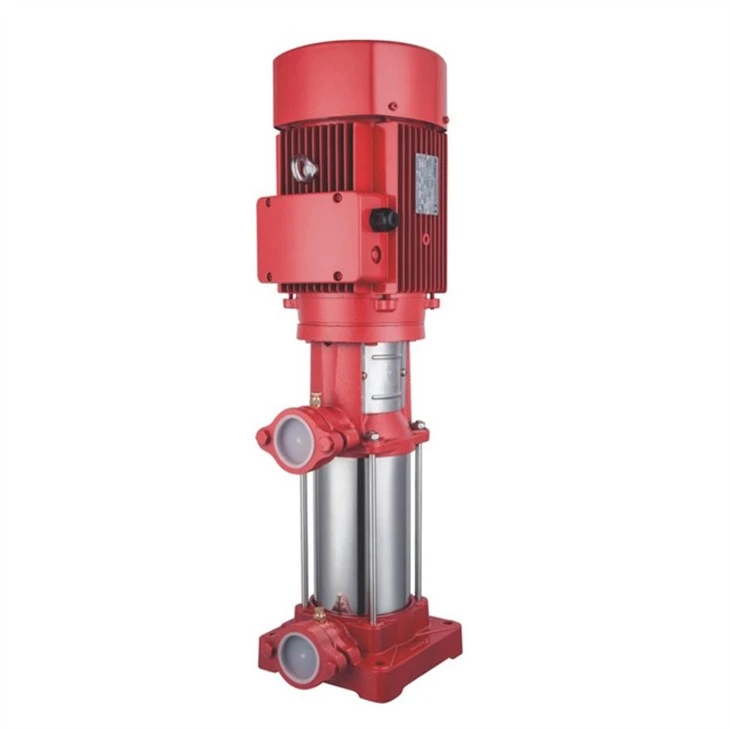
As a fire pump supplier, we take corrosion protection very seriously. We use the latest technologies and best practices to make sure our pumps are well - protected. We also offer support and advice to our customers on how to maintain the corrosion protection of their fire pumps.
If you're in the market for a fire pump, whether it's a Submersible Fire Pump or a Centrifugal Fire Pump, we've got you covered. Our pumps are designed with corrosion protection in mind, and we can help you choose the right pump for your specific needs.
If you're interested in learning more or making a purchase, don't hesitate to reach out. We're always here to answer your questions and have a chat about how we can provide you with the best fire pump solutions.
References:
- ASME B73 Standards related to pump design and materials
- NACE International publications on corrosion prevention and protection