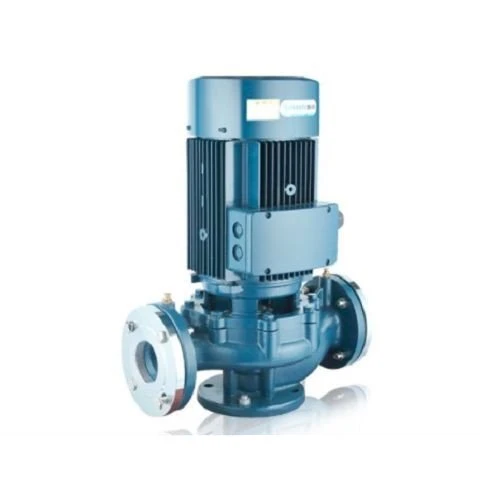
As a provider of Vertical In-Line Pumps, I often get asked about the role of the motor in these pumps. The motor is a crucial component that significantly impacts the performance, efficiency, and reliability of the entire system. In this blog post, I'll delve into the various aspects of the motor's role in a vertical in-line pump.
Power Generation
The primary function of the motor in a vertical in-line pump is to generate the power required to drive the pump impeller. The impeller is the rotating component within the pump that creates the centrifugal force necessary to move the fluid. The motor converts electrical energy into mechanical energy, which is then transferred to the impeller via a shaft.
The power output of the motor is typically measured in horsepower (HP) or kilowatts (kW). The size of the motor needed for a particular vertical in-line pump depends on several factors, including the flow rate, head pressure, and the type of fluid being pumped. For example, a pump that needs to move a large volume of water at a high pressure will require a more powerful motor compared to a pump used for a low-flow, low-pressure application.
Speed Control
The motor also plays a vital role in controlling the speed of the pump. The speed of the impeller directly affects the flow rate and head pressure of the pump. By adjusting the motor speed, we can optimize the pump's performance to meet the specific requirements of the application.
In modern vertical in-line pumps, variable frequency drives (VFDs) are often used in conjunction with the motor to provide precise speed control. A VFD allows the motor to operate at different speeds, which can result in significant energy savings. For instance, in a system where the demand for fluid varies throughout the day, the VFD can reduce the motor speed during periods of low demand, thereby consuming less energy.
Starting and Stopping
The motor is responsible for starting and stopping the vertical in-line pump. When the pump is started, the motor must overcome the inertia of the impeller and the fluid in the system. A well-designed motor will be able to start the pump smoothly without causing excessive stress on the components.
Similarly, when the pump needs to be stopped, the motor must be able to decelerate the impeller gradually. Abrupt stops can cause water hammer, which is a pressure surge in the piping system that can damage the pump, valves, and other components. Many motors are equipped with soft-start and soft-stop features to prevent these issues.
Efficiency and Reliability
The efficiency of the motor has a direct impact on the overall efficiency of the vertical in-line pump. An efficient motor will convert a higher percentage of the electrical energy into mechanical energy, resulting in lower energy consumption and operating costs.
Reliability is also a critical factor. The motor must be able to operate continuously under various conditions without breaking down. High-quality motors are designed with robust construction and advanced insulation materials to withstand the rigors of industrial applications. Regular maintenance, such as lubrication and inspection of the motor windings, can further enhance its reliability.
Comparison with Other Pump Types
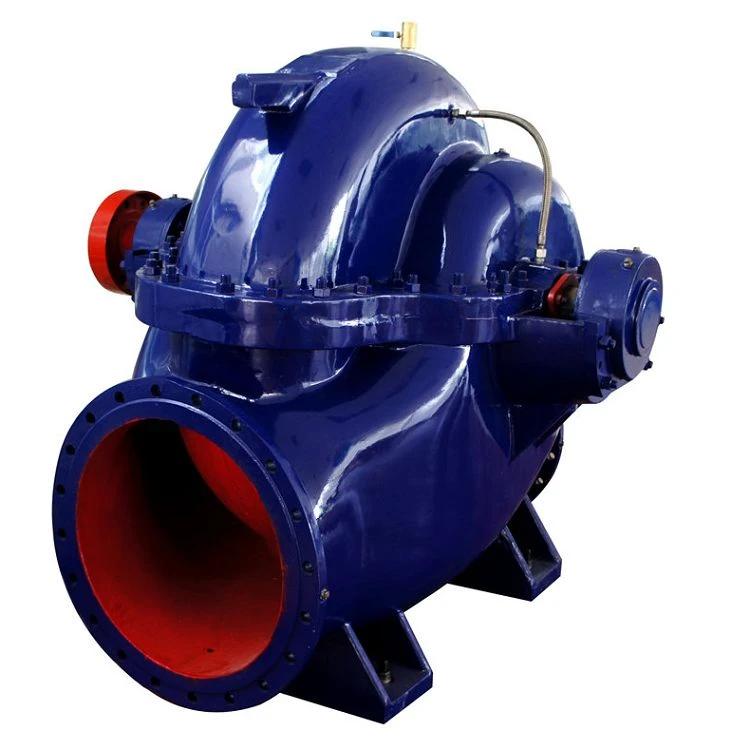
When comparing vertical in-line pumps with other types of pumps, such as Horizontal Split Casing Centrifugal Pump and Vertical Multistage Pump, the role of the motor remains similar in terms of power generation, speed control, and starting/stopping. However, the design and installation requirements of the motor may vary.
For example, horizontal split casing centrifugal pumps typically have a larger footprint and may require a more substantial motor due to the larger impeller size. Vertical multistage pumps, on the other hand, are designed to handle high-pressure applications and may require a motor with a higher power output and better speed control capabilities.
Conclusion
In conclusion, the motor is an indispensable component of a vertical in-line pump. It is responsible for power generation, speed control, starting and stopping, and ensuring the efficiency and reliability of the pump. As a Vertical In Line Pump supplier, we understand the importance of selecting the right motor for each application.
If you are in the market for a vertical in-line pump or have any questions about the role of the motor, please feel free to contact us. We have a team of experts who can provide you with the best solutions tailored to your specific needs. Let's work together to find the perfect pump system for your project.
References
- "Centrifugal Pumps: Design and Application" by Igor J. Karassik, Joseph P. Messina, Paul Cooper, and Charles C. Heald.
- "Pump Handbook" by Igor J. Karassik, Joseph P. Messina, Paul Cooper, and Charles C. Heald.