Hey there! I'm in the fire pump business, and today I wanna talk about something super important in our field: the fire pump performance curve.
First off, what on earth is a fire pump performance curve? Well, it's basically a graph that shows how a fire pump behaves under different conditions. Think of it as a map that tells you how well the pump can do its job at various flow rates and pressures.
Let's break it down a bit. On the horizontal axis of the curve, you've got the flow rate, usually measured in gallons per minute (GPM) or liters per second (L/s). This shows how much water the pump can move. On the vertical axis, you've got the pressure, measured in pounds per square inch (PSI) or kilopascals (kPa). Pressure is crucial because it determines how far and how forcefully the water can be pushed through the pipes and out of the nozzles.
Now, why is this curve so important? For starters, it helps us select the right fire pump for a specific job. Different buildings and fire protection systems have different requirements. A small warehouse might need a pump that can handle a relatively low flow rate at a certain pressure, while a large high - rise building could require a pump that can pump a massive amount of water at high pressure. By looking at the performance curve, we can match the pump to the needs of the project.
Another reason is for system design. Engineers use these curves to figure out how to set up the piping, valves, and other components of the fire protection system. They need to know how the pump will perform when the water has to travel through long pipes or go up multiple floors. The performance curve gives them the data they need to make these design decisions.
Let's take a closer look at the shape of a typical fire pump performance curve. Usually, it starts at a point where there's no flow (zero GPM) and a relatively high pressure. This is called the shut - off head. As the flow rate increases, the pressure starts to drop. This is because as more water is being pushed through the pump, there's more resistance, and the pump has to work harder to maintain the same pressure.
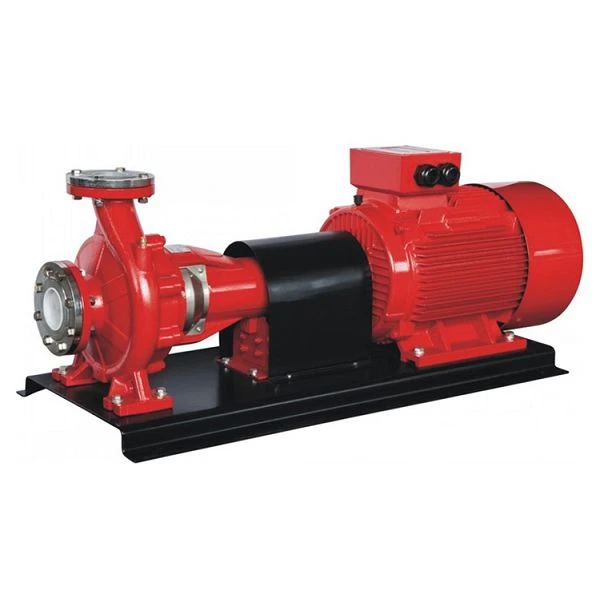
There are different types of fire pumps, and each has its own characteristic performance curve. For example, a Centrifugal Fire Pump is one of the most common types. Centrifugal pumps use an impeller to spin the water and create centrifugal force, which pushes the water out of the pump. Their performance curves typically show a gradual decrease in pressure as the flow rate increases. These pumps are great for a wide range of applications because they can handle different flow rates and pressures pretty well.
On the other hand, Submersible Fire Pump is another option. These pumps are designed to be submerged in water, which can be an advantage in some situations. Their performance curves might have different characteristics depending on the design. For instance, some submersible pumps can maintain a relatively stable pressure over a certain range of flow rates, which can be useful in applications where a consistent pressure is needed.
When it comes to testing and verifying the performance of a fire pump, the performance curve is the gold standard. Fire pump manufacturers like us are required to test our pumps in a laboratory environment to create an accurate performance curve. We use specialized equipment to measure the flow rate and pressure at different points and then plot these data points on a graph. This curve is then provided to the customers and regulatory authorities as proof that the pump meets the required standards.
In real - world applications, things can get a bit more complicated. There are factors like friction loss in the pipes, elevation changes, and the condition of the water source that can affect the pump's performance. But the performance curve still serves as a starting point. Engineers can use it to calculate the additional pressure or flow rate needed to account for these factors.
For example, if the water has to travel through a long and narrow pipe, there will be more friction loss. This means that the pump will have to work harder to maintain the same flow rate and pressure at the end of the pipe. By referring to the performance curve, engineers can determine if the pump is capable of handling this additional load or if a different pump needs to be selected.
As a fire pump supplier, I often get questions from customers about the performance curve. They want to know if a particular pump can meet the requirements of their project. That's why we always make sure to provide detailed performance curves with our pumps. We also offer technical support to help our customers understand how to read and use these curves.
If you're in the market for a fire pump, understanding the performance curve is essential. It can save you a lot of headaches down the road. You don't want to end up with a pump that can't do the job, or one that's over - sized and more expensive than necessary.
So, how do you choose the right fire pump based on the performance curve? First, you need to know the flow rate and pressure requirements of your project. This might involve consulting with a fire protection engineer or looking at the building codes and regulations. Once you have these requirements, you can start comparing the performance curves of different pumps.
Look for a pump that can meet or exceed the required flow rate and pressure at the operating point. Also, consider the efficiency of the pump. A more efficient pump will use less energy, which can save you money in the long run.
In addition to the performance curve, there are other factors to consider when choosing a fire pump. The reliability of the pump is crucial. You want a pump that will work when you need it, especially in an emergency. Look for pumps from reputable manufacturers with a proven track record.
The maintenance requirements are also important. Some pumps are easier to maintain than others. You'll want to choose a pump that fits your maintenance capabilities and budget.
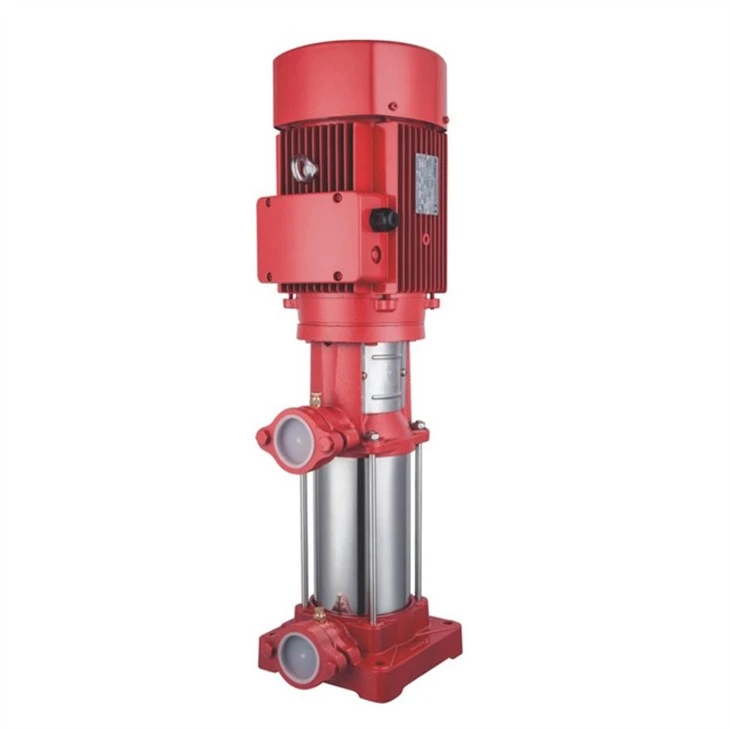
As a fire pump supplier, we're committed to providing high - quality pumps and excellent service. We have a wide range of pumps, including Submersible Fire Pump and Centrifugal Fire Pump, with different performance curves to meet the needs of various projects.
If you're interested in learning more about fire pumps or have a project that needs a pump, don't hesitate to reach out. We're here to help you choose the right pump and make sure your fire protection system works effectively. Whether you're an engineer, a contractor, or a building owner, we've got the expertise and the products to meet your needs. Contact us today to start the conversation about your fire pump requirements.
References
- NFPA 20: Standard for the Installation of Stationary Pumps for Fire Protection
- Hydraulic Institute Standards for Centrifugal Pumps