Ultrasonic testing, commonly known as UT, is a non-destructive testing (NDT) method that uses high-frequency sound waves to detect internal flaws in materials. As a Cast Iron Casting supplier, I often rely on this technique to ensure the quality of our products. In this blog post, I'll explain what ultrasonic testing for cast iron castings is, how it works, and why it's so important in our industry.
How Ultrasonic Testing Works
At its core, ultrasonic testing sends high-frequency sound waves (usually between 2 and 10 MHz) into the material being tested. These sound waves travel through the material until they encounter a flaw or a boundary between different materials. When this happens, a portion of the sound wave is reflected back to the transducer, which is the device that sent the original sound wave. The time it takes for the sound wave to return to the transducer, along with the amplitude of the reflected wave, can provide valuable information about the size, shape, and location of the flaw.
The process starts with the technician applying a couplant, like oil or water, to the surface of the cast iron casting. This couplant helps to transfer the ultrasonic waves from the transducer into the material. The technician then moves the transducer over the surface of the casting, looking for any signs of reflected waves that could indicate a flaw.
Why Ultrasonic Testing is Important for Cast Iron Castings
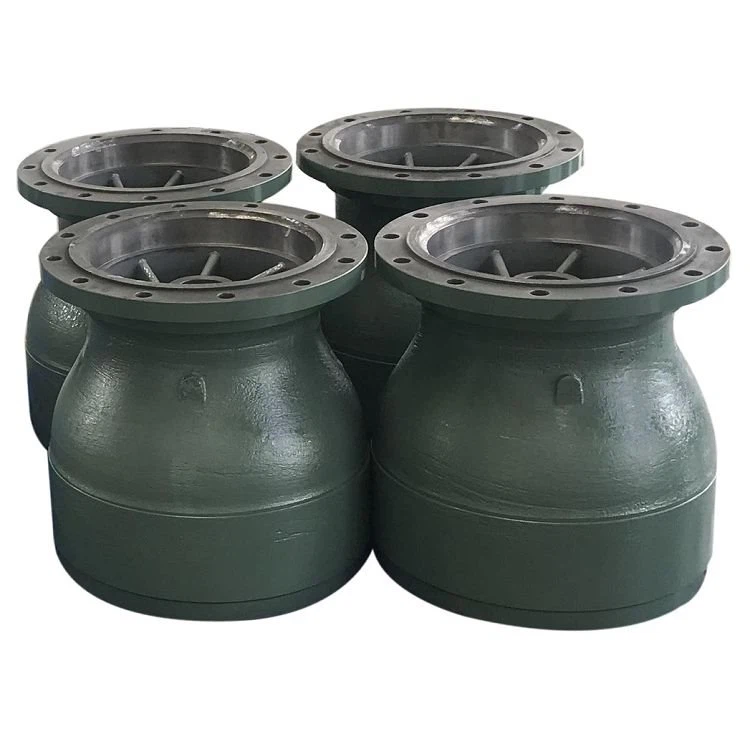
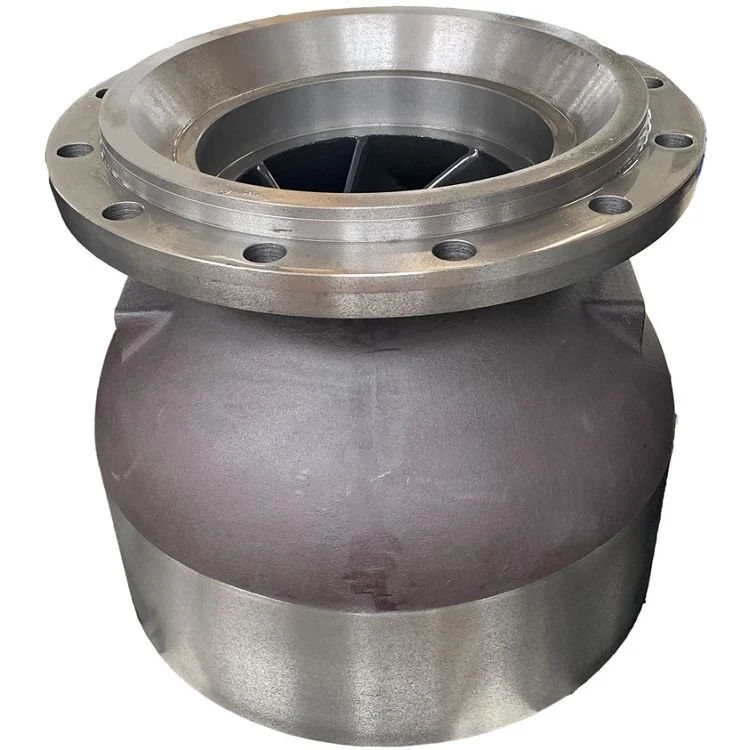
Cast iron castings are used in a wide range of applications, from automotive parts to industrial machinery. In many of these applications, the integrity of the casting is crucial. A small flaw in a casting could lead to a catastrophic failure, which could cause injury, damage to equipment, or even downtime in a production facility.
Ultrasonic testing allows us to detect these flaws before the casting is put into use. By identifying and removing flawed castings from our production line, we can ensure that our customers receive high-quality products that meet their specifications. This not only helps to prevent costly failures but also builds trust with our customers.
Types of Flaws Detected by Ultrasonic Testing
Ultrasonic testing can detect a variety of flaws in cast iron castings, including:
- Porosity: This is a common flaw in castings that occurs when gas bubbles are trapped in the molten metal during the casting process. Porosity can weaken the casting and make it more susceptible to cracking.
- Shrinkage cavities: These occur when the molten metal shrinks as it cools, leaving behind voids in the casting. Shrinkage cavities can also reduce the strength of the casting.
- Cracks: Cracks can form during the casting process or as a result of stress on the casting during use. Ultrasonic testing can detect both surface and internal cracks, allowing us to address them before they cause problems.
Advantages of Ultrasonic Testing
One of the main advantages of ultrasonic testing is its ability to detect internal flaws that may not be visible on the surface of the casting. This makes it a valuable tool for ensuring the quality of cast iron castings.
Another advantage is its sensitivity. Ultrasonic testing can detect very small flaws, which can be crucial in applications where even a small defect could lead to failure.
Ultrasonic testing is also relatively fast and non-invasive. Unlike destructive testing methods, which require cutting or drilling into the casting, ultrasonic testing can be performed without damaging the casting. This means that we can test our castings without sacrificing their integrity.
Limitations of Ultrasonic Testing
While ultrasonic testing is a powerful tool, it does have some limitations. For example, it can be difficult to detect flaws in castings with complex geometries or in areas where the sound waves are likely to be scattered or absorbed.
In addition, the accuracy of ultrasonic testing can be affected by the surface condition of the casting. Rough or uneven surfaces can make it more difficult for the sound waves to travel through the material and can lead to false readings.
Our Commitment to Quality
As a Cast Iron Casting supplier, we're committed to providing our customers with the highest quality products. That's why we use ultrasonic testing as part of our quality control process. By using this advanced testing method, we can ensure that our castings are free from internal flaws and meet the strictest industry standards.
We also offer a range of other casting products, including Stainless Steel Pump Casting and Ductile Iron Casting. These products are also subject to rigorous quality control measures to ensure their reliability and performance.
Contact Us for Your Casting Needs
If you're in the market for high-quality cast iron castings or other casting products, we'd love to hear from you. Whether you need a single casting or a large production run, we have the expertise and resources to meet your needs.
If you have any questions or would like to discuss your project in more detail, please don't hesitate to contact us. We're here to help you find the right casting solution for your application. Visit our Cast Iron Casting page to learn more about our products and services.
References
- ASNT (American Society for Nondestructive Testing). "Ultrasonic Testing Handbook."
- ASTM International. "Standard Practices for Ultrasonic Testing."